
催化学报 ›› 2026, Vol. 88: 35-85.DOI: 10.1016/S1872-2067(26)65105-4
雷文敏a, 张艳a, 孙大琳a, 班林a, 周恒a, 杨松a,*( ), 景立权b,*(), 胡劲光c,*(), 张衡a,*()
收稿日期:2025-12-11
接受日期:2026-01-30
出版日期:2026-09-18
发布日期:2026-07-18
通讯作者:
*电子信箱: syang@gzu.edu.cn (杨松),基金资助:
Wenmin Leia, Yan Zhanga, Dalin Suna, Lin Bana, Heng Zhoua, Song Yanga,*(), Liquan Jingb,*(), Jinguang Huc,*(), Heng Zhanga,*()
Received:2025-12-11
Accepted:2026-01-30
Online:2026-09-18
Published:2026-07-18
About author:Song Yang is a distinguished professor at Guizhou University, China. He obtained his Ph.D. from Guizhou University in 2005 and accepted a postdoctoral position in the University of Texas Southwestern Medical Center at Dallas, USA. He was awarded with China National “Ten-Thousand-Talent Plan” and Distinguished Professor of Cheung Kong Scholars Program. His research interests include biofuels, discovery of new agrochemicals, and nanomaterials. He has authored over 50 patents and more than 300 scientific papers in international journals (H-index: 79). He is currently editor-in-chief of Current Catalysis and associate editor of Current Nanoscience.Supported by:摘要:
木质素作为自然界中唯一的可再生芳香族聚合物, 是生产可持续生物燃料的理想前驱体. 然而, 木质素结构复杂、转化能垒高, 且产物选择性差, 对其高效转化构成了挑战. 传统的热化学催化方法通常依赖苛刻的反应条件, 且存在工艺成本高及环境危害显著等局限. 相比之下, 基于太阳能驱动的光催化技术可在温和条件下实现木质素转化, 为木质素资源化利用提供了绿色途径. 其中, 过渡金属基光催化剂通过精确调控活性位点, 促进木质素分子中特定化学键的选择性断裂, 从而实现产物的定向转化. 然而, 该领域的现有研究缺乏系统性讨论.
为此, 本文系统综述了过渡金属基光催化剂在木质素转化制备气体燃料及液体燃料前驱体领域的研究进展, 重点围绕催化机理、产物分布与反应工艺展开论述. 首先, 概述了木质素中典型的化学键类型(如β-O-4、α-O-4、β-1等), 分析了木质素在不同来源与预处理方式下的结构差异, 并强调不同结构特征对催化剂选择、反应路径与产物分布的关键影响. 重点阐述了光催化木质素转化的基本原理, 包括光生载流子的分离与传输机制、活性氧物种的形成及其在选择性断键中的作用. 其次, 基于木质素模型化合物(β-O-4为代表)重点讨论了不同过渡金属催化剂用于断裂C-O与C-C键的反应机理与产物选择性, 总结了异质结构建、缺陷工程和元素掺杂等策略对光吸收、电荷分离以及稳定性的提升作用, 并系统归纳了液体燃料前驱体的分布规律. 同时, 进一步针对实际木质素的转化体系, 对比分析含硫木质素与无硫木质素在光催化转化中面临的差异性挑战, 并总结了针对性的催化剂设计与反应介质优化的策略. 还探讨了木质素光催化转化与氢气、合成气等气体燃料联产的反应机制与可行性, 阐明木质素作为绿色牺牲剂, 可充分利用空穴氧化能力, 实现木质素资源化转化及可持续生物燃料生产的协同增效. 此外, 梳理了液体燃料前体升级转化路径, 并从技术可行性、经济成本及环境影响等角度进行综合评估. 最后, 指出了当前研究仍面临催化剂稳定性不足、产物选择性调控困难、复杂体系分离效率低, 难以实现规模化应用等挑战, 提出了潜在的解决方案并展望了未来可能的发展方向.
综上, 过渡金属光催化为木质素定向转化及可持续生物燃料的生产提供了具有前景的工艺途径, 目前已在机理理解和催化剂设计方面取得显著进展, 但其实际应用仍面临选择性、稳定性与工艺集成等挑战, 未来研究需致力于开发高效稳定的催化体系以实现其规模化应用.
雷文敏, 张艳, 孙大琳, 班林, 周恒, 杨松, 景立权, 胡劲光, 张衡. 过渡金属光催化剂用于木质素可持续转化生产生物燃料[J]. 催化学报, 2026, 88: 35-85.
Wenmin Lei, Yan Zhang, Dalin Sun, Lin Ban, Heng Zhou, Song Yang, Liquan Jing, Jinguang Hu, Heng Zhang. Transition-metals photocatalysts for lignin valorization toward sustainable biofuel production[J]. Chinese Journal of Catalysis, 2026, 88: 35-85.

Fig. 1. (a) Photocatalytic conversion of lignin into fuel pathways. (b) Statistical analysis of publications on photocatalytic conversion of lignin into fuels and precursors, 2014-2025.

Fig. 2. (a) Statistical distribution of transition metal catalysts for photocatalytic lignin conversion into fuels and precursors in the periodic table (through 2025). (b) Corresponding statistical chart.
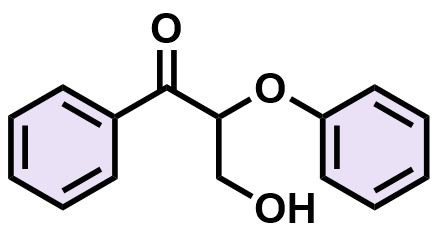
| Ref. | Basic structural characteristics | Bond-breaking mechanism | Actual lignin conversion analysis | Transition metal materials | Gas and liquid fuel co-production | Fuel precursor upgrade | Economic and environmental impact evaluation |
|---|---|---|---|---|---|---|---|
| [ | ✔ | ✔ | × | × | × | × | × |
| [ | ✔ | × | ✔ | × | × | × | × |
| [ | ✔ | × | × | × | × | ✔ | × |
| [ | ✔ | × | ✔ | × | × | ✔ | × |
| [ | × | × | × | × | ✔ | × | × |
| [ | ✔ | × | × | × | × | × | ✔ |
| [ | ✔ | ✔ | × | × | × | × | × |
| [ | × | ✔ | ✔ | × | × | × | × |
| This work | ✔ | ✔ | ✔ | ✔ | ✔ | ✔ | ✔ |
Table 1 A comparison of the current study with other associated publications.
| Ref. | Basic structural characteristics | Bond-breaking mechanism | Actual lignin conversion analysis | Transition metal materials | Gas and liquid fuel co-production | Fuel precursor upgrade | Economic and environmental impact evaluation |
|---|---|---|---|---|---|---|---|
| [ | ✔ | ✔ | × | × | × | × | × |
| [ | ✔ | × | ✔ | × | × | × | × |
| [ | ✔ | × | × | × | × | ✔ | × |
| [ | ✔ | × | ✔ | × | × | ✔ | × |
| [ | × | × | × | × | ✔ | × | × |
| [ | ✔ | × | × | × | × | × | ✔ |
| [ | ✔ | ✔ | × | × | × | × | × |
| [ | × | ✔ | ✔ | × | × | × | × |
| This work | ✔ | ✔ | ✔ | ✔ | ✔ | ✔ | ✔ |

Fig. 3. (a) Typical structural models of lignin. (b) Major monomeric units. (c) Characteristic linkage bonds in lignin. (d) Pretreatment methods for lignin.

Fig. 4. Structural characteristic model of KRL (a) and LS (b). Adapted with permission [49]. Copyright 2017, Wiley-VCH GmbH.
| Lignin category | Extraction conditions | Molecular formula | Molecular weight (g/mol) | Polydispersity (PDI) | Solubility |
|---|---|---|---|---|---|
| Kraft lignin | H2O, NaOH, Na2S, 150-180 °C | C9H8.5O2.1S0.1(OCH3)0.8(CO2H)0.2 | 180 | 2-4 | alkali, strongly polar organic solvents |
| Lignosulfonate (Softwood) | H2O, sulfites, 120-180 °C | C9H8.5O2.5(OCH3)0.85(SO3H)0.4 | 215−254 | 4-9 | water |
| Lignosulfonate (Hardwood) | H2O, sulfites, 120-180 °C | C9H7.5O2.5(OCH3)0.39(SO3H)0.6 | 188 | 4-9 | water |
| Organosolv lignin | High-boiling-point solvents, organic acids, etc., 180-210 °C | C9H8.53O2.45(OCH3)1.04 | ~188 | 2.4-6.4 | alkali, polar organic solvents |
| Steam explosion lignin | H2O, high temperature, and pressure | C9H8.53O2.45(OCH3)1.04 | ~188 | 1.5-2.8 | higher than Kraft lignin in organic solvents |
Table 2 Comparative analysis of lignin traits from diverse isolation techniques [31,55].
| Lignin category | Extraction conditions | Molecular formula | Molecular weight (g/mol) | Polydispersity (PDI) | Solubility |
|---|---|---|---|---|---|
| Kraft lignin | H2O, NaOH, Na2S, 150-180 °C | C9H8.5O2.1S0.1(OCH3)0.8(CO2H)0.2 | 180 | 2-4 | alkali, strongly polar organic solvents |
| Lignosulfonate (Softwood) | H2O, sulfites, 120-180 °C | C9H8.5O2.5(OCH3)0.85(SO3H)0.4 | 215−254 | 4-9 | water |
| Lignosulfonate (Hardwood) | H2O, sulfites, 120-180 °C | C9H7.5O2.5(OCH3)0.39(SO3H)0.6 | 188 | 4-9 | water |
| Organosolv lignin | High-boiling-point solvents, organic acids, etc., 180-210 °C | C9H8.53O2.45(OCH3)1.04 | ~188 | 2.4-6.4 | alkali, polar organic solvents |
| Steam explosion lignin | H2O, high temperature, and pressure | C9H8.53O2.45(OCH3)1.04 | ~188 | 1.5-2.8 | higher than Kraft lignin in organic solvents |

Fig. 5. (a) Energy-level diagram illustrating the conversion of reactants (R) to products (P) via thermal and photocatalytic processes. Here, C, E, and S denote the catalyst, ambient molecules (solvent and atmosphere), and byproducts, respectively. Adapted with permission [77]. Copyright 2020, Royal Society of Chemistry. (b) Representative semiconductor band edge positions based on redox potential. (c) Diagram depicting the mechanism by which lignin is photocatalytically converted into gas and liquid fuels.

Scheme 1. Depolymerization of β-O-4 model C-O bonds through a two-step approach (a) and a one-step approach. Adapted with permission [88]. Copyright 2014, American Chemical Society. Adapted with permission [89]. Copyright 2016, American Chemical Society. (b) The cleavage of C-O bonds mainly involves two methods: two-step depolymerization and one-step depolymerization.: two-step depolymerization and one-step depolymerization. Adapted with permission [90]. Copyright 2020, American Chemical Society. Adapted with permission [91]. Copyright 2024, Elsevier.

Fig. 6. (a) Mechanism of ZT-70 n-n heterojunction depolymerization of the β-O-4 model. Adapted with permission [93]. Copyright 2025, American Chemical Society. (b) Schematic diagram of photocatalytic breakdown pathway of lignin using 10% CN/5CQD/CZS. Adapted with permission [94]. Copyright 2024, Royal Society of Chemistry.
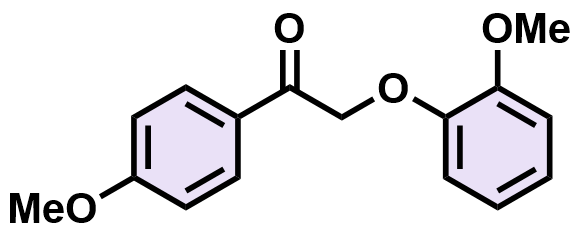
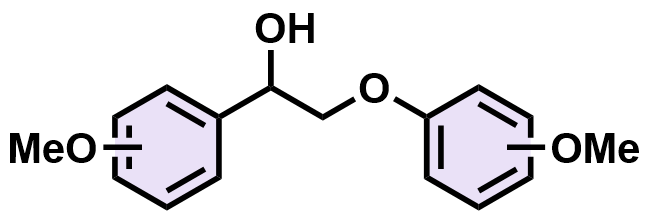
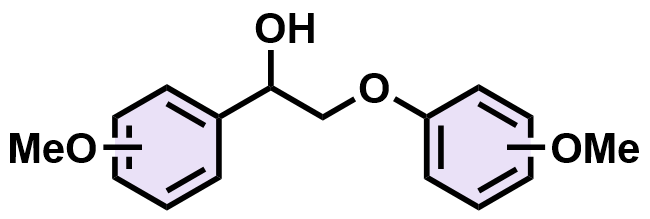
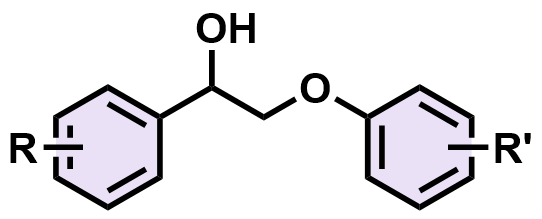
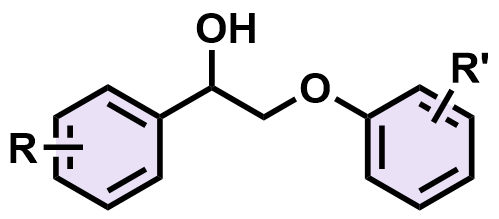
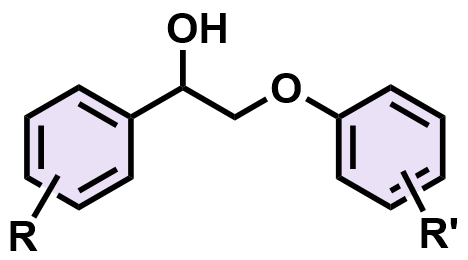
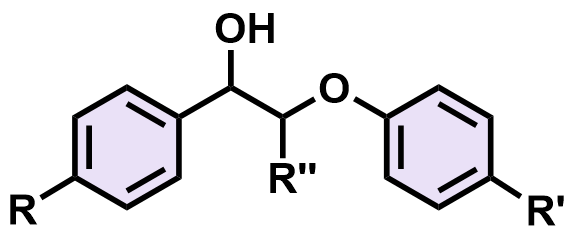
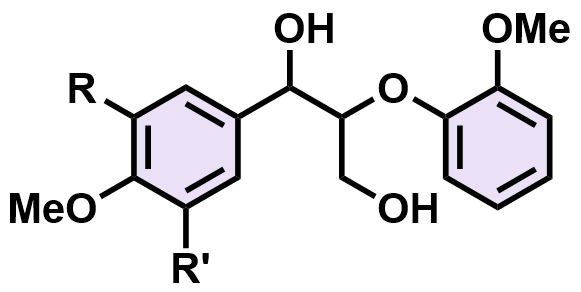
| β-O-4 model compound | Reaction type | Photocatalyst | Conversion (%) | Main products | Ref. | |||||
|---|---|---|---|---|---|---|---|---|---|---|
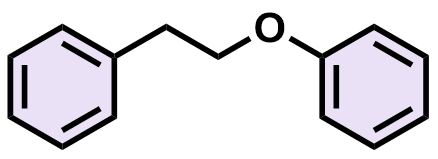 | — | H-TiO2 | 100 | phenol, styrene | [ | |||||
| Ti-N-NPs | 100 | phenol (49%), styrene (51%) | [ | |||||||
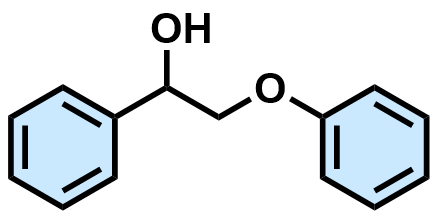 | two-step reaction | Pd/ZnIn2S4, TiO2 | 99 | phenol (93%), acetophenone (90%) | [ | |||||
| g-C3N4/Zn4In2S7 | 99 | phenol (93.4%), acetophenone (75.2%) | [ | |||||||
| CdS-SH/TiO2 | 99 | phenol (85%), acetophenone (87%) | [ | |||||||
| MoS2/ZnIn2S4 | 100 | phenol (86.6%), acetophenone (82.3%) | [ | |||||||
| g-C3N4/CQD/ZnS | 84 | phenol (60%), acetophenone (60.2%) | [ | |||||||
| Au-H-TiO2 | — | phenol, acetophenone (60.2%) | [ | |||||||
| (100) CdS@(220) CdS | 100 | phenol (94.3%), acetophenone (93.4%) | [ | |||||||
| CdSe@CdS | 94 | phenol (67%), acetophenone (66%) | [ | |||||||
| one-step reaction | Cr/ZnIn2S4 | ~100 | phenol (96%), acetophenone (95%) | [ | ||||||
| FeCoRu@SiO2-TiO2 | > 90 | phenol (55.6%), acetophenone (32.8%) | [ | |||||||
| g-C3N4/ZnIn2S4 | 99 | phenol, acetophenone | [ | |||||||
| CdS/UiO-66 | 90 | phenol, acetophenone | [ | |||||||
| Ce2S3/TiO2 | 94.6 | phenol (94%), acetophenone (80%) | [ | |||||||
| SiO2-TiO2 | — | phenol, acetophenone | [ | |||||||
| ZIS | ~100 | phenol (91.2%), acetophenone (91.7%) | [ | |||||||
| Ag2S@CdS | 99 | phenol (95%), acetophenone (91%) | [ | |||||||
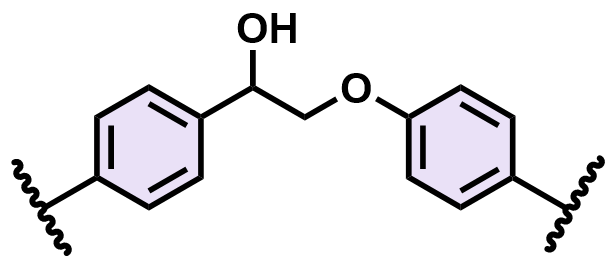 | one-step reaction | Bi2O3/Bi2WO6 | 85.62 | phenol, guaiacol, p-hydroxybenzaldehyde | [ | |||||
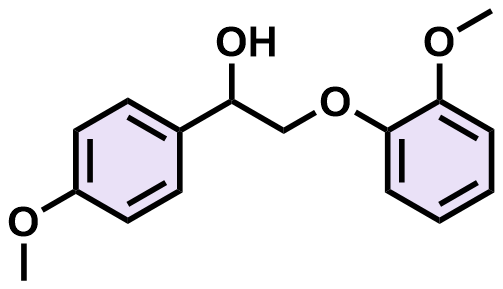 | two-step reaction | CdSe QDs | 90 | 4'-methoxyacetophenone, guaiacol | [ | |||||
 | — | PDI | 86 | phenols, ketones | [ | |||||
 | two-step reaction | NiO/TiO2 | 99 | phenol (96%), acetophenone (78%) | [ | |||||
 | two-step reaction | TiO2 | 100 | acetophenone (88%), guaiacol (73%) | [ | |||||
 | two-step reaction | ZnIn2S4/TiO2 | 98 | phenol (85%), acetophenone (67%) | [ | |||||
 | two-step reaction | CzCPs | — | phenol (86%), acetophenone | [ | |||||
 | two-step reaction | CuBr2, Zn | > 99 | phenol (98%), acetophenone (99%) | [ | |||||
 | two-step reaction | Zn4In2S7/g-C3N4 | 99 | phenol (87%), acetophenone (86%) | [ | |||||
 | two-step reaction | Ir(ppy)2(bpy)-MCFs | > 90 | 4'-methoxyacetophenone (98%), guaiacol (97%) | [ | |||||
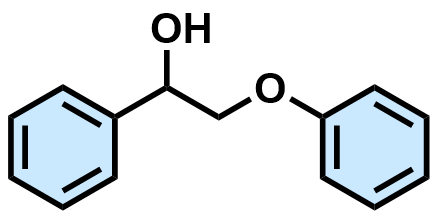 , , 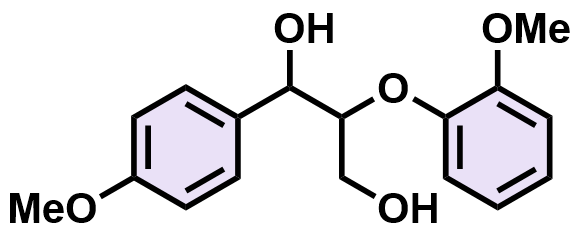 | one-step reaction | ZmIn2Sm+3, m = 1?6 | 99 | phenol (86%), acetophenone (82%) | [ | |||||
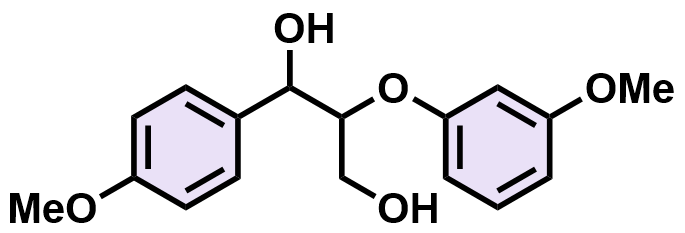 | two-step reaction | [4-AcNH-TEMPO]BF4 (bobbitt salt), [Ir(ppy)2(dtbbpy)]PF6 | — | 4'-Methoxyacetophenone (88%), guaiacol (89%) | [ | |||||
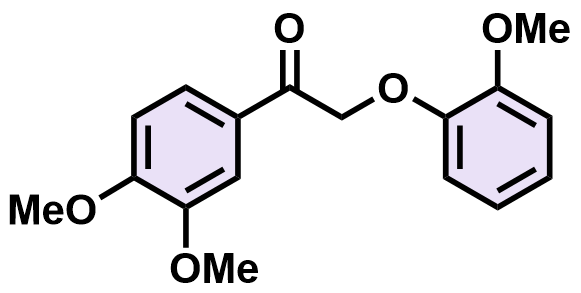 , ,  | — | Cu (bathocup)(XantPhos) BF4 | — | acetophenone (70%) | [ | |||||
Table 3 Photocatalytic transformation of β-O-4 lignin models targeting C-O bond cleavage.
| β-O-4 model compound | Reaction type | Photocatalyst | Conversion (%) | Main products | Ref. | |||||
|---|---|---|---|---|---|---|---|---|---|---|
| | — | H-TiO2 | 100 | phenol, styrene | [ | |||||
| Ti-N-NPs | 100 | phenol (49%), styrene (51%) | [ | |||||||
| | two-step reaction | Pd/ZnIn2S4, TiO2 | 99 | phenol (93%), acetophenone (90%) | [ | |||||
| g-C3N4/Zn4In2S7 | 99 | phenol (93.4%), acetophenone (75.2%) | [ | |||||||
| CdS-SH/TiO2 | 99 | phenol (85%), acetophenone (87%) | [ | |||||||
| MoS2/ZnIn2S4 | 100 | phenol (86.6%), acetophenone (82.3%) | [ | |||||||
| g-C3N4/CQD/ZnS | 84 | phenol (60%), acetophenone (60.2%) | [ | |||||||
| Au-H-TiO2 | — | phenol, acetophenone (60.2%) | [ | |||||||
| (100) CdS@(220) CdS | 100 | phenol (94.3%), acetophenone (93.4%) | [ | |||||||
| CdSe@CdS | 94 | phenol (67%), acetophenone (66%) | [ | |||||||
| one-step reaction | Cr/ZnIn2S4 | ~100 | phenol (96%), acetophenone (95%) | [ | ||||||
| FeCoRu@SiO2-TiO2 | > 90 | phenol (55.6%), acetophenone (32.8%) | [ | |||||||
| g-C3N4/ZnIn2S4 | 99 | phenol, acetophenone | [ | |||||||
| CdS/UiO-66 | 90 | phenol, acetophenone | [ | |||||||
| Ce2S3/TiO2 | 94.6 | phenol (94%), acetophenone (80%) | [ | |||||||
| SiO2-TiO2 | — | phenol, acetophenone | [ | |||||||
| ZIS | ~100 | phenol (91.2%), acetophenone (91.7%) | [ | |||||||
| Ag2S@CdS | 99 | phenol (95%), acetophenone (91%) | [ | |||||||
| | one-step reaction | Bi2O3/Bi2WO6 | 85.62 | phenol, guaiacol, p-hydroxybenzaldehyde | [ | |||||
| | two-step reaction | CdSe QDs | 90 | 4'-methoxyacetophenone, guaiacol | [ | |||||
| | — | PDI | 86 | phenols, ketones | [ | |||||
| | two-step reaction | NiO/TiO2 | 99 | phenol (96%), acetophenone (78%) | [ | |||||
| | two-step reaction | TiO2 | 100 | acetophenone (88%), guaiacol (73%) | [ | |||||
| | two-step reaction | ZnIn2S4/TiO2 | 98 | phenol (85%), acetophenone (67%) | [ | |||||
| | two-step reaction | CzCPs | — | phenol (86%), acetophenone | [ | |||||
| | two-step reaction | CuBr2, Zn | > 99 | phenol (98%), acetophenone (99%) | [ | |||||
| | two-step reaction | Zn4In2S7/g-C3N4 | 99 | phenol (87%), acetophenone (86%) | [ | |||||
| | two-step reaction | Ir(ppy)2(bpy)-MCFs | > 90 | 4'-methoxyacetophenone (98%), guaiacol (97%) | [ | |||||
| , | one-step reaction | ZmIn2Sm+3, m = 1?6 | 99 | phenol (86%), acetophenone (82%) | [ | |||||
| | two-step reaction | [4-AcNH-TEMPO]BF4 (bobbitt salt), [Ir(ppy)2(dtbbpy)]PF6 | — | 4'-Methoxyacetophenone (88%), guaiacol (89%) | [ | |||||
| , | — | Cu (bathocup)(XantPhos) BF4 | — | acetophenone (70%) | [ | |||||

Fig. 7. (a) Graphical illustration of the preparation of Ce2S3/TiO2 S-scheme heterojunctions. (b) Schematic diagram of process improvement for Ce2S3/TiO2 S-scheme heterojunction photocatalytic depolymerization of PP-ol. (c) Work function of Ce2S3/TiO2. (d) Schematic diagram of the mechanism of photocatalytic lignin cracking on Ce2S3/TiO2. Reproduced with permission [109]. Copyright 2024, American Chemical Society. Schematic illustration of the preparation (e) and charge density distribution (f) of a half-unit-cell MoS2/ZnIn2S4 monolayer. (g) DFT calculations of BDE for EPP-ol and Cα-H bonds and DF for LCα-H under different conditions. (h) Conversion efficiency and product yield of PP-ol photocatalytic conversion by MoS2/ZIS-300 at different concentrations. (i) Effect of water volume on PP-ol conversion rate and product yield. Reproduced with permission [101]. Copyright 2024, American Chemical Society.

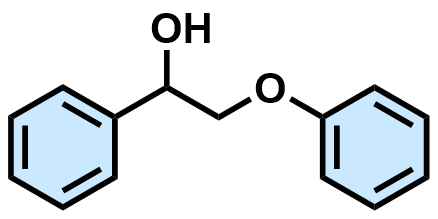
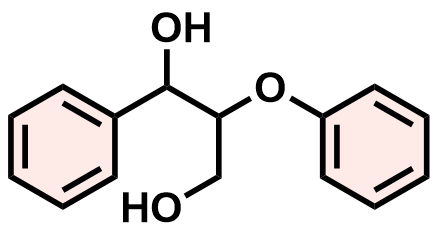
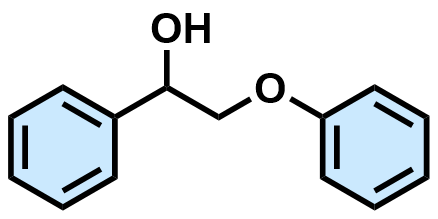
Scheme 2. Primary reaction (a) and minor reaction (b) of C-C bond depolymerization in the β-O-4 model. (c) Proposed mechanism for C-C bond depolymerization in the β-O-4 model.
| β-O-4 model compound | Light source | Photocatalyst | Conversion (%) | Main products | Ref. | |||
|---|---|---|---|---|---|---|---|---|
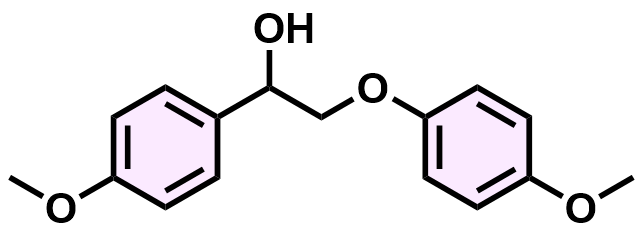
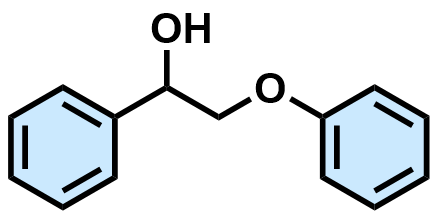
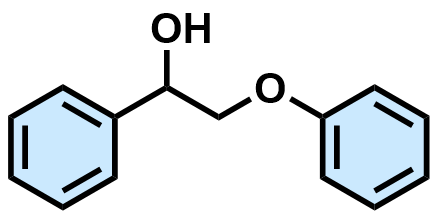
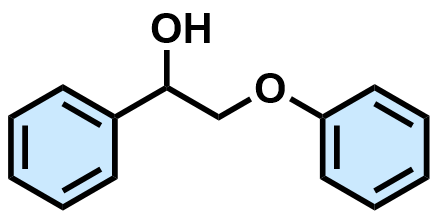
  | visible light | C3N4 | 94 | benzaldehyde (60%), benzoic acid (16%) | [137] | |||
 | simulated sunlight | CuO/BiVO4 | 86.5 | aromatic compounds (665.03 μmol gcat−1 h−1) | [138] | |||
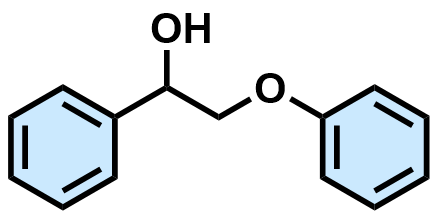 | UV | P2W17V (001)/-TiO2 | 98.8 | benzaldehyde (72%) | [135] | |||
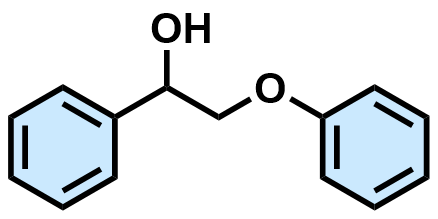 | visible light | urchin-like Nb2O5 hollow microspheres | 94 | benzaldehyde, phenyl formate, benzoic acid | [134] | |||
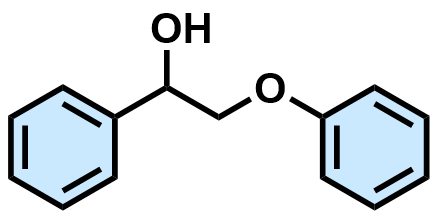 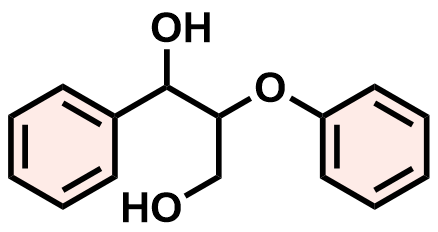 | blue LED | triazine-heptazine-based carbon nitride | 96.1 | benzaldehyde (60.3%), phenyl formate (47.9%) | [139] | |||
 | simulated sunlight | g-C3N4/rGO/CdS | 95 | benzaldehyde (71%), phenyl formate (69%) | [140] | |||
  | visible light | Ru1/MCN | 93 | benzaldehyde (92%), phenyl formate (90%), | [141] | |||
 | simulated sunlight | p-CN/p-PDI | 99 | benzaldehyde (59%), phenyl formate (37%), benzoic acid (7%) | [142] | |||
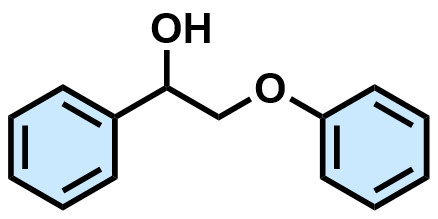 | simulated sunlight | Keplerate polyoxometalates | 97.8 | phenyl formate (8.8%), benzaldehyde (0.2%) | [143] | |||
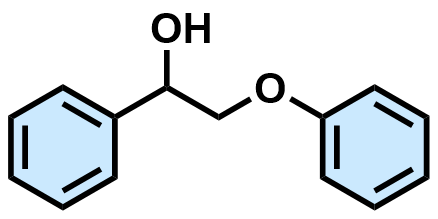 | visible light | Fe/mpg-CN | 98 | benzaldehyde (82%), phenyl formate (36%), benzoic acid (15%) | [144] | |||
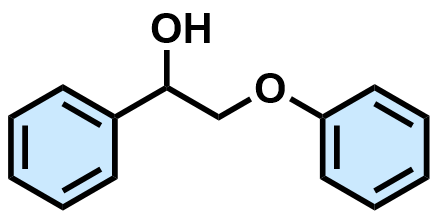 | simulated sunlight | H5PMo10V2O40/ g-C3N4(HPA/CN) | 97.4 | benzaldehyde (62.7%), benzoic acid (42.5%), phenyl formate (16.0%) | [145] | |||
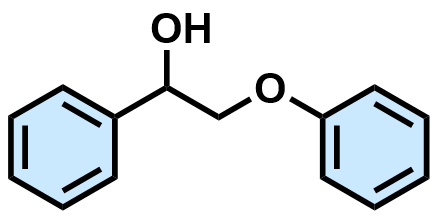 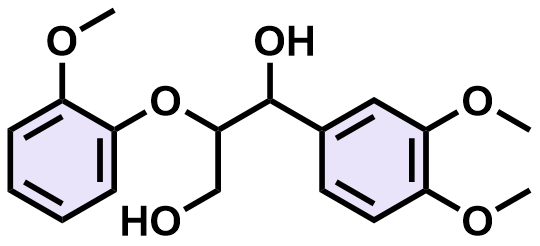 | visible light | Zn/CN | 99 | benzoic acid, benzaldehyde, benzoic acid methyl ester, and ketones | [146] | |||
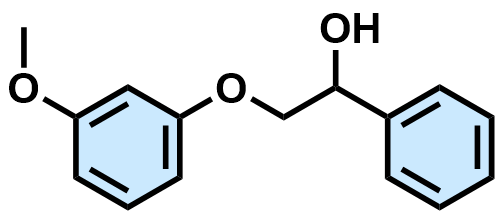 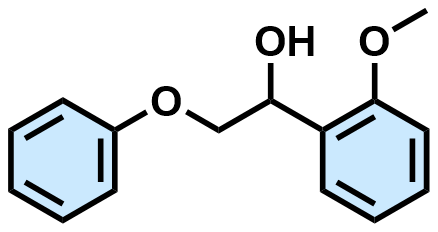 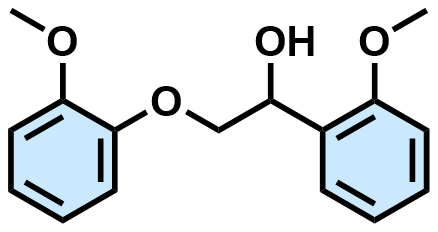 | visible light | g-C3N4/CQDs/WO3 | 99 | benzoic acid, benzaldehyde (83.92%) | [147] | |||
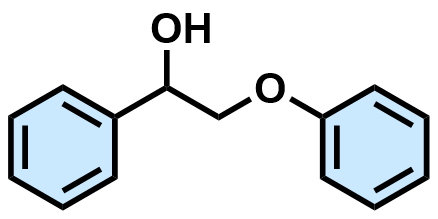 | visible light | g-C3N4 (PTCN) | 97.2 | benzoic acid (22.0%), benzaldehyde (13.0%), and phenyl formate (2.1%) | [148] | |||
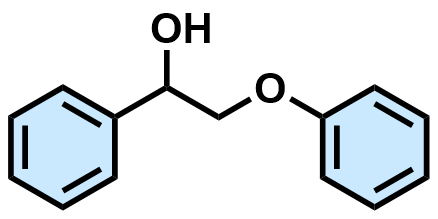 | visible light | Bi/CTF | 78.4 | benzoic acid (65.2%), benzaldehyde (81.4%), and phenyl formate (52.6%) | [149] | |||
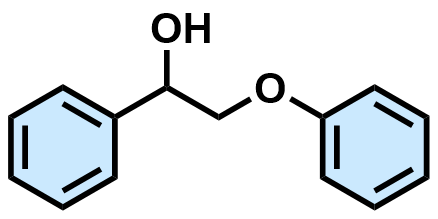 , , 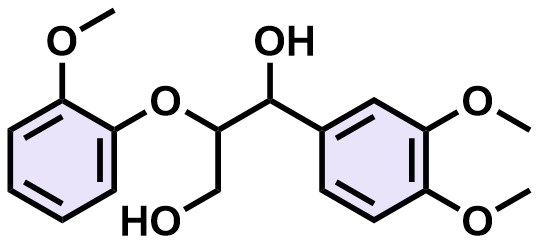 | simulated sunlight | Cu2S/g-C3N4 | 93.2 | aromatic compounds (1346.71 μmol gcat−1 h−1) | [150] | |||
 | visible light | M-TiO2/g-C3N4 | 96.8 | benzaldehyde (86.4%) | [75] | |||
 | simulated sunlight | RuC/TiO2 NPs | — | 3,4-dimethoxybenzaldehyde (52%), 2-(2-methoxyphenoxy)- acetaldehyde (36%) | [151] | |||
 , ,  | visible light | CdS/2D g-C3N4 | — | best CRAM (96.5%) | [76] | |||
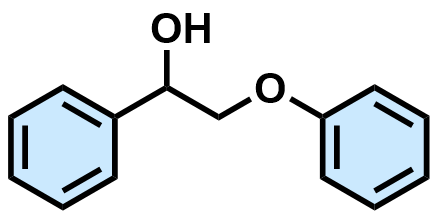 | visible light | R-C3‒xN4 | 89 | benzaldehyde (85%) | [152] | |||
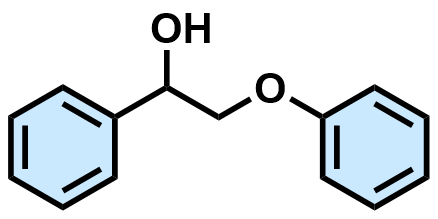
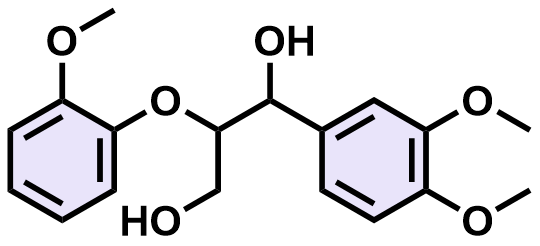
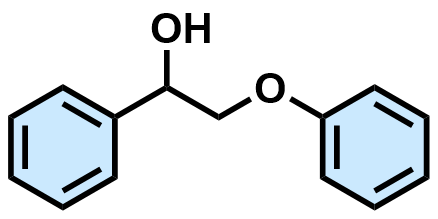
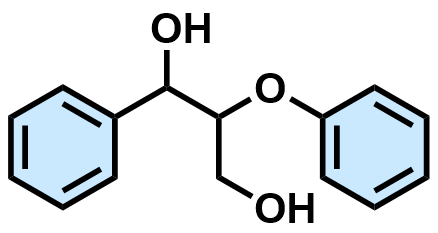
Table 4 Photocatalytic C-C bond cleavage in β-O-4 lignin model compounds.
| β-O-4 model compound | Light source | Photocatalyst | Conversion (%) | Main products | Ref. | |||
|---|---|---|---|---|---|---|---|---|
| | visible light | C3N4 | 94 | benzaldehyde (60%), benzoic acid (16%) | [137] | |||
| | simulated sunlight | CuO/BiVO4 | 86.5 | aromatic compounds (665.03 μmol gcat−1 h−1) | [138] | |||
| | UV | P2W17V (001)/-TiO2 | 98.8 | benzaldehyde (72%) | [135] | |||
| | visible light | urchin-like Nb2O5 hollow microspheres | 94 | benzaldehyde, phenyl formate, benzoic acid | [134] | |||
| | blue LED | triazine-heptazine-based carbon nitride | 96.1 | benzaldehyde (60.3%), phenyl formate (47.9%) | [139] | |||
| | simulated sunlight | g-C3N4/rGO/CdS | 95 | benzaldehyde (71%), phenyl formate (69%) | [140] | |||
| | visible light | Ru1/MCN | 93 | benzaldehyde (92%), phenyl formate (90%), | [141] | |||
| | simulated sunlight | p-CN/p-PDI | 99 | benzaldehyde (59%), phenyl formate (37%), benzoic acid (7%) | [142] | |||
| | simulated sunlight | Keplerate polyoxometalates | 97.8 | phenyl formate (8.8%), benzaldehyde (0.2%) | [143] | |||
| | visible light | Fe/mpg-CN | 98 | benzaldehyde (82%), phenyl formate (36%), benzoic acid (15%) | [144] | |||
| | simulated sunlight | H5PMo10V2O40/ g-C3N4(HPA/CN) | 97.4 | benzaldehyde (62.7%), benzoic acid (42.5%), phenyl formate (16.0%) | [145] | |||
| | visible light | Zn/CN | 99 | benzoic acid, benzaldehyde, benzoic acid methyl ester, and ketones | [146] | |||
| | visible light | g-C3N4/CQDs/WO3 | 99 | benzoic acid, benzaldehyde (83.92%) | [147] | |||
| | visible light | g-C3N4 (PTCN) | 97.2 | benzoic acid (22.0%), benzaldehyde (13.0%), and phenyl formate (2.1%) | [148] | |||
| | visible light | Bi/CTF | 78.4 | benzoic acid (65.2%), benzaldehyde (81.4%), and phenyl formate (52.6%) | [149] | |||
| , | simulated sunlight | Cu2S/g-C3N4 | 93.2 | aromatic compounds (1346.71 μmol gcat−1 h−1) | [150] | |||
| | visible light | M-TiO2/g-C3N4 | 96.8 | benzaldehyde (86.4%) | [75] | |||
| | simulated sunlight | RuC/TiO2 NPs | — | 3,4-dimethoxybenzaldehyde (52%), 2-(2-methoxyphenoxy)- acetaldehyde (36%) | [151] | |||
| , | visible light | CdS/2D g-C3N4 | — | best CRAM (96.5%) | [76] | |||
| | visible light | R-C3‒xN4 | 89 | benzaldehyde (85%) | [152] | |||

Fig. 8. Charge transport pathways in S-scheme (a), type-II (b), and Z-scheme (c) heterojunction systems.

Fig. 9. (a) Synthesis pathways for POSS-PDI, p-CN, and their composite p-CN/P-PDI, along with the proposed photocatalytic selective cleavage mechanism of the β-O-4 model compound within the p-CN/P-PDI S-scheme heterojunction. (b) Schematic diagram of the S-scheme heterojunction charge transfer process. (c) Fluorescence lifetime decay profiles of POSS-PDI, p-CN, and the composite p-CN/P-PDI-3. (d) Electron density difference between p-CN and CPDI (isosurface value: 103 e ??3), with yellow and cyan areas representing charge accumulation and depletion. Reproduced with permission [142]. Copyright 2023, Wiley-VCH GmbH. (e) PP-ol conversion efficiency and product distribution over different catalytic materials. (f) N2 adsorption-desorption isotherms of M-TiO2, g-C3N4, MTCN-10, and O-TiO2. (g) UV-vis reflectance spectra of M-TiO2, g-C3N4, and MTCN-10. (h) EPR spectra of oxygen adducts formed on TEMP-1 and MTCN-10 under dark conditions and after 10 min of illumination. (i) Mechanism of Cα-Cβ bond photolysis of PP-ol catalyzed by MTCN-10. Reproduced with permission [75]. Copyright 2025, Elsevier.

Fig. 10. (a) Proposed mechanism for visible-light-induced C-C bond cleavage in PP-ol. Reproduced with permission [165]. Copyright 2023, American Chemical Society. (b) Postulated pathway for the photocatalytic scission of the Cα-Cβ bond in pp-ol using CB-3. Reproduced with permission [149]. Copyright 2025, Elsevier. (c) Proposed mechanisms for the photocatalytic depolymerization of model compounds by AgI/BSO-5. Reproduced with permission [166]. Copyright 2025, Elsevier. (d) Proposed reaction mechanism for the cleavage of PP-ol on two-dimensional g-C3N4 and Cu/2D g-C3N4 surfaces. Reproduced with permission [167]. Copyright 2025, Elsevier.

Scheme 3. (a) Schematic diagram of 4-O-5 model depolymerization. Adapted with permission [170]. Copyright 2020, Springer Nature. (b) Schematic illustration of α-O-4 model depolymerization. Adapted with permission [171]. Copyright 2024, Royal Society of Chemistry. (c) Schematic illustration of β-1 model depolymerization. Adapted with permission [172]. Copyright 2019, American Chemical Society.
| Model type | Representative structure | Primary bond cleavage | Key active species | Typical products | Ref. |
|---|---|---|---|---|---|
| β-O-4 | PP-ol, MP-ol | C-O (Cβ-O)/C-C (Cα-Cβ) | h+, •O2‒, 1O2 | phenol, acetophenone, benzaldehyde, benzoic acid | [ |
| α-O-4 | benzyl phenyl ether | C-O (Cα-O) | h+, •OH | benzaldehyde, phenol | [ |
| 4-O-5 | Diaryl ether | C-O | carboxyl radical | aromatic carboxylic acids, phenols | [ |
| β-1 | 1,2-diphenylethanol | C-C (Cα-Cβ) | LMCT, alkoxy radical | benzaldehyde, benzoic acid | [ |
| β-5/5-5' | biphenyl-type structure | C-C | •O2‒ | aromatic aldehydes/acids | [ |
Table 5 Summary of model compound types and their cleavage mechanisms.
| Model type | Representative structure | Primary bond cleavage | Key active species | Typical products | Ref. |
|---|---|---|---|---|---|
| β-O-4 | PP-ol, MP-ol | C-O (Cβ-O)/C-C (Cα-Cβ) | h+, •O2‒, 1O2 | phenol, acetophenone, benzaldehyde, benzoic acid | [ |
| α-O-4 | benzyl phenyl ether | C-O (Cα-O) | h+, •OH | benzaldehyde, phenol | [ |
| 4-O-5 | Diaryl ether | C-O | carboxyl radical | aromatic carboxylic acids, phenols | [ |
| β-1 | 1,2-diphenylethanol | C-C (Cα-Cβ) | LMCT, alkoxy radical | benzaldehyde, benzoic acid | [ |
| β-5/5-5' | biphenyl-type structure | C-C | •O2‒ | aromatic aldehydes/acids | [ |

Fig. 11. Summary of different catalysts used for the photocatalytic transformation of model lignin compounds into fuel precursors.

Fig. 12. (a) Diagram illustrating the synthesis of CdS/BiOI with iodine vacancies. (b) SEM micrographs and EDS patterns of C/B-0.75-400. Photocurrent responses (c) and EIS Nyquist spectra (d) for CdS, BiOI, BiOI-VI, C/B-0.75, and C/B-0.75-400. (e) Vanillin yield at different calcination temperatures. (f) Proposed mechanism for SLS photocatalytic production of vanillin on CdS/BiOI with or without iodine vacancies. Reproduced with permission [197]. Copyright 2023, Elsevier. (g) Illustrated schematic of M-TiO2 preparation. (h) XPS spectra of MT400 and MIL-125: O 1s survey scan. Aperture distribution diagrams (i) and corresponding hv curves (j) for MIL-125, MT400, MT500, and MT600. (k) XRD patterns and SEM micrographs of MT400 before and after photocatalytic conversion of SLS. (l) Trapping experiments for vanillin production utilizing MT400. (m) Proposed mechanism of SLS photocatalytic conversion over MT400. Reproduced with permission [198]. Copyright 2021, Elsevier.

Fig. 13. Summary of the actual lignin characteristics of the representative samples and the properties of the catalysts employed in the depolymerization process.

Fig. 14. (a) Schematic diagram of photoreforming lignocellulose to produce H2 using NCNCNx and H2 production co-catalysts. Reproduced with permission [225]. Copyright 2018, American Chemical Society. (b) TAH of lignocellulose. Reproduced with permission [227]. Copyright 2022, Elsevier. (c) Schematic diagram of the indirect oxidation process for the photocatalytic conversion of lignocellulose to H2 using PtSA-CdS. Reproduced with permission [228]. Copyright 2024, Wiley-VCH GmbH. (d) Illustrative diagram depicting synergistic H2 production via photocatalytic biomass conversion on CNx/Co. Reproduced with permission [229]. Copyright 2025, American Chemical Society.

Fig. 15. (a) Schematic preparation of Mo2C catalyst. (b) Glucose molecules adsorbed on the Mo2C surface exhibit a double-vacancy equilibrium structure. Reproduced with permission [239]. Copyright 2024, Wiley-VCH GmbH. (c) Electron density difference of Pt/TiO2-OV(M). (d) 4-MBA oxidation. (e) Electron density difference of Pt/TiO2-OV(M). Reproduced with permission [242]. Copyright 2024. American Chemical Society. Elemental mapping images of Pt-decorated InGaN NWs (f) and FeMn-modified InGaN nanowires (g). (h) Time-resolved PL spectra of InGaN nanowires and Pt/InGaN NWs. (i) Photocatalytic synthesis gas activity of various lignin-derived model compounds. Reproduced with permission [247]. Copyright 2024, Wiley-VCH GmbH. (j) Schematic diagram of the proposed mechanism for generating syngas from lignin at the FeMn/InGaN interface. (k) Quasi-in-situ EPR characterization of lignin reforming over FeMn/InGaN catalysts (l) Stepwise energy of H atom desorption from adsorbed CH3 radical. (m) CO adsorption on Fe4/GaN, Fe3Mn1/GaN, Fe2Mn2/GaN, and Fe1Mn3/GaN models. Green, light blue, purple, bronze, brown, red, and light pink represent Ga, N, Mn, Fe, C, O, and H, respectively. Reproduced with permission [248]. Copyright, 2024, Wiley-VCH GmbH.

Fig. 16. Advantages and challenges of producing gaseous fuels from lignin, and catalyst design strategies.

Fig. 17. Process diagram illustrating the photocatalytic transformation of lignin into fuels.

Fig. 18. (a) Proposed mechanism of Suzuki catalytic coupling under UV irradiation. Reproduced with permission [280]. Copyright 2023, Elsevier. (b) Proposed mechanism for the conversion of benzaldehyde to hydroxybenzaldehyde and benzyl alcohol. Reproduced with permission [276]. Copyright 2020, American Chemical Society. (c) Mechanistic proposal for light-driven C-C coupling of benzyl alcohol. Reproduced with permission [277]. Copyright 2024, Royal Society of Chemistry. (d) Proposed mechanism for photocatalytic C-C coupling of phenylmethanol on Sulfur-doped CdS Nanospheres. Reproduced with permission [282]. Copyright 2025, American Chemical Society. (e) Proposed reaction mechanism of TEMPO (HT-1) (0.05 mmol) with 1a (0.1 mmol) in DMF (2.5 mL). Reproduced with permission [283]. Copyright 2024, Springer Nature. (f) Concentration distribution curves of reactants and products during the cyclization reaction of ethyl benzoate on Cu/C and Pd/C surfaces. Reproduced with permission [284]. Copyright 2024, American Chemical Society.

Fig. 19. Analysis chart of the potential of lignin downstream products as fuel precursors.

Fig. 20. (a) Assessment of ecological effects in lignin photodegradation using different catalytic conditions. (b) Relative percentage contribution of each sub-process to the production of 1 kg of vanillin during catalytic lignin photodegradation. (c) Environmental footprint analysis of SRQHR-activated versus conventional catalyst synthesis routes. (d) Environmental impact evaluation of catalyst reuse during lignin photodegradation. Reproduced with permission [289]. Copyright 2020, Elsevier.

Fig. 21. Summary of transition metal catalysts for the photocatalytic upgrading of lignin to liquid fuel precursors and gaseous fuels.

Fig. 22. Schematic diagram summarizing and outlining the prospects for photocatalytic lignin upgrading to fuels and precursors.
|
| [1] | 朱君江, 许凯强. CdS/NiPc S-型光催化剂及其增强的光催化产过氧化氢性能[J]. 催化学报, 2026, 88(9): 5-8. |
| [2] | 孙宇航, 李旭, 曾众天, 魏华, 赵宇龙, 蔡晓燕, 毛梁, 谭昌龙, 沈博, 徐艺军. 硫诱导电荷位点重构与原位生成ZnO2保护层实现稳定高效的太阳能制备H2O2[J]. 催化学报, 2026, 88(9): 207-217. |
| [3] | Sathi Chatterjee, 李红梅, 刘康, 林璋, 柴立元, 刘敏. 二维(2D)材料上的单原子催化剂用于光催化CO2还原: 基础、设计与新兴策略[J]. 催化学报, 2026, 88(9): 86-128. |
| [4] | 刘淑芳, 陈锋宇, 李思媛, 叶宇昕, 欧阳钢锋. 氧中心有机自由基最新研究进展: 表征、合成及应用[J]. 催化学报, 2026, 88(9): 183-206. |
| [5] | 陈翔锋, 黄丝雨, 杨煜杭, 倪嘉浩, 方诚, 徐杨帆, 匡代彬. 卤素钙钛矿材料在杂化光催化中的研究进展[J]. 催化学报, 2026, 88(9): 9-34. |
| [6] | 黄芸, 陈奇, 陈月铃, 杨泽锋, 吴炯桦, 余济美, 吴棱. 在Pt/DUT-67(Zr)表面生成氢物种增强光催化合成氨[J]. 催化学报, 2026, 88(9): 247-258. |
| [7] | 吴昊, 曾芯宇, 王往, 程蓓, 程敬招, 许景三, 曹少文. 有机-无机S型异质结增强载流子分离用于光催化产氢耦合亚胺合成[J]. 催化学报, 2026, 87(8): 185-196. |
| [8] | 姜晓康, 高永泽, 张博闻, 杨晓东, 袁之敏, 许兆宁, 孙彬, 姜在勇, 周国伟, 周恩龙. 内建电场耦合非贵金属等离基元效应助推MIL-125光催化二氧化碳还原活性[J]. 催化学报, 2026, 87(8): 100-112. |
| [9] | Sue-Faye Ng, Joel Jie Foo, Karlo Nolkemper, Zahra Hajiahmadi, Jaya Bharti, Nannan Hou, Jiankang Zheng, Thomas D. Kühne, Markus Antonietti, Christian Mark Pelicano, Wee-Jun Ong. 三唑环功能化聚(七嗪亚胺): 利用给体-受体构型实现高效太阳驱动过氧化氢合成[J]. 催化学报, 2026, 87(8): 140-155. |
| [10] | 张可可, 张富林, 王月欣, 黄凤伟, 熊康慧, 顾向奎, 郎贤军. 调控亚乙烯基连接的噻吩并噻吩共价有机框架的电子推拉效应以增强选择性光催化[J]. 催化学报, 2026, 87(8): 206-216. |
| [11] | 马明宇, 刘棕阳, 袁阔, 刘哲源, 王嘉新, 林清清, 钟地长, 鲁统部. 自光敏金属配合物用于光催化析氢[J]. 催化学报, 2026, 86(7): 375-383. |
| [12] | 李晗溪, 罗振东, 薛强, 支云飞, 杜骏, 周旭凯. 基于Povarov环化的共价有机框架孔道与电荷动力学调控及其光催化产氢增强[J]. 催化学报, 2026, 86(7): 363-374. |
| [13] | 张淑敏, 许第发, 朱文君. 设计具有选择性氧反应活性的光催化剂用于太阳能驱动的甲烷偶联[J]. 催化学报, 2026, 86(7): 5-8. |
| [14] | 高华, 朱勇, 温志兵, 赵冉, 陈治, 王思瑶, 何双霖, 彭况, 唐逸文, 孙立成, 李斐. 酞菁铁纳米片在染料敏化光催化体系中实现高效、高选择性CO2转化[J]. 催化学报, 2026, 86(7): 350-362. |
| [15] | 孟爱云, 钟威, 谷苗莉, 吴小媛, 余维来, 苏耀荣. 硫化镉基制氢光催化剂的最新研究进展[J]. 催化学报, 2026, 86(7): 49-76. |
| 阅读次数 | ||||||
|
全文 |
|
|||||
|
摘要 |
|
|||||


