
Chinese Journal of Catalysis ›› 2026, Vol. 89: 76-101.DOI: 10.1016/S1872-2067(26)65136-4
• Review • Previous Articles Next Articles
Ruiyuan Liua, Chengyang Yinb, Chengming Zhonga,*( ), Jia Houa, Xiaofei Songa, Jian Liua, Zhen Zhaoa,b,*()
Received:2025-12-28
Accepted:2026-02-14
Online:2026-10-18
Published:2026-09-01
Contact:
*E-mail:zhongchengming2022@126.com(C. Zhong),zhenzhao@cup.edu.cn/zhaozhen1586@163.com(Z. Zhao).
About author:Chengming Zhong (College of Science & State Key Laboratory of Heavy Oil Processing, China University of Petroleum-Beijing) He received his M.S. degree from China University of Petroleum-Beijing in 2020. Since 2020, he has been pursuing his Ph.D. degree at China University of Petroleum-Beijing. His research interests are focused on catalyst design and catalysis nature study for environmental catalysis, especially for vehicle exhaust emission control and industrial flue gas emission control from non-electric industries. He has published 2 peer-reviewed papers and been granted 1 authorized invention patent.Supported by:Ruiyuan Liu, Chengyang Yin, Chengming Zhong, Jia Hou, Xiaofei Song, Jian Liu, Zhen Zhao. Fundamental insight into copper-based zeolite catalysts for NH3-SCR: Two decades’ progress and future perspectives[J]. Chinese Journal of Catalysis, 2026, 89: 76-101.
Add to citation manager EndNote|Ris|BibTeX
URL: https://www.cjcatal.com/EN/10.1016/S1872-2067(26)65136-4
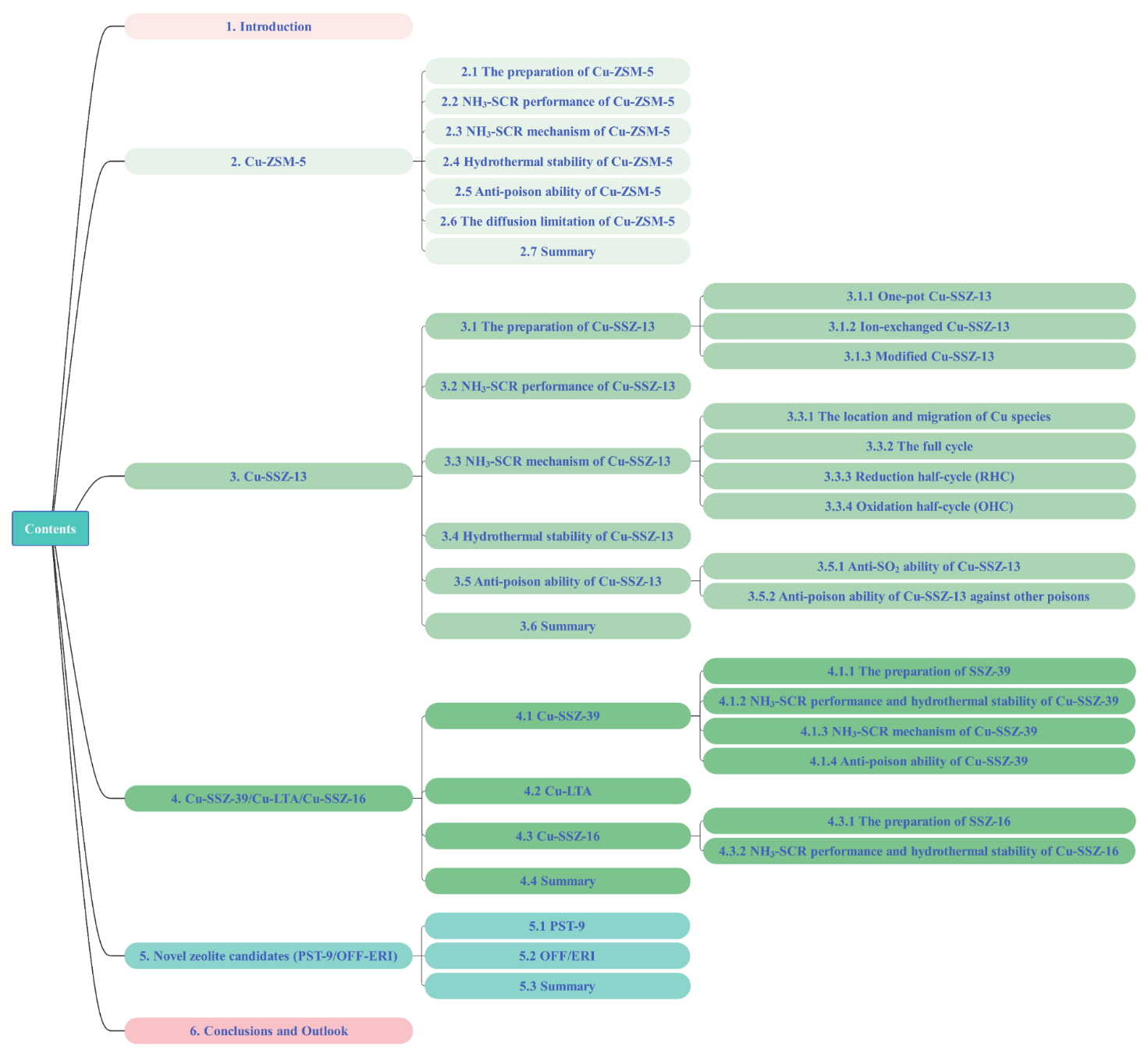
Fig. 1. The contents of this paper.
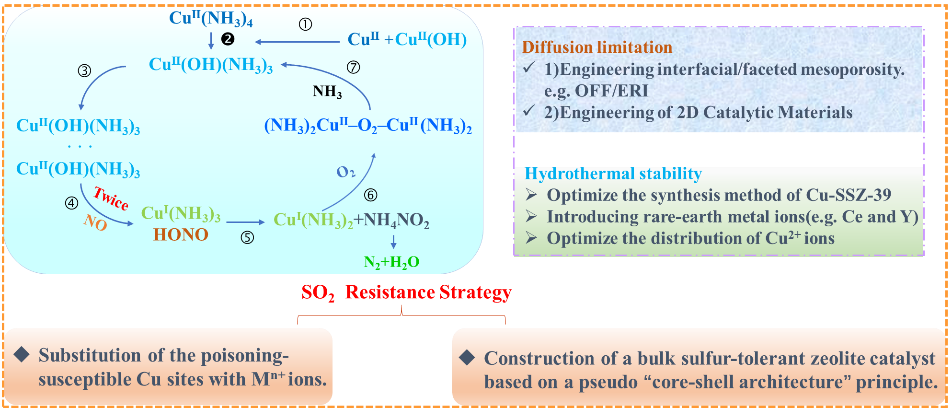
Fig. 2. Low temperature NH3-SCR reaction mechanisms and strategies for diffusion limitation, hydrothermal stability, and SO2 resistance of Cu based zeolite.
| Catalyst | Active range | Preparation method | Conditions | Ref. |
|---|---|---|---|---|
| 3.5Cu/0.6NaZSM-5 | 220-400 °C (T80) | Ion exchange method | 200 ppm NO, 200 ppm NH3, 10% O2, 6% H2O, GHSV = 125000 h-1 | [ |
| Cu-ZSM-5-ZrO2 | 210-400 °C (T80) | Ion exchange method | 500ppm NO, 500 ppm NH3, 10% O2, 1.5% H2O, GHSV = 28000 h-1 | [ |
| CuCe/ZSM-5 | 250-400 °C (T90) | Impregnation method | 1000 ppm NO, 1100 ppm NH3, 5% O2,10% H2O, GHSV = 30000 h-1 | [ |
| Ce1-Cu4/ZSM-5 | 185-470 °C (T90) | Impregnation method | 500 ppm NO, 500 ppm NH3, 5% O2, GHSV = 55000 h-1 | [ |
| Cu-Zr/ZSM-5 | 167-452 °C (T95) | Ion exchange method | 1000 ppm NO, 1000 ppm NH3, 10% O2, GHSV = 100000 h-1 | [ |
| CuCe0.75Zr0.25/ZSM-5 | 175-468 °C (T95) | Ion exchange method | 1000 ppm NO, 1000 ppm NH3, 10% O2, GHSV = 15000 h-1 | [ |
| NSL-Cu-ZSM-5 | 250-550 °C (T100) | Ion exchange method | 1000 ppm NO, 1000 ppm NH3, 8% O2, 5% H2O, GHSV = 50000 h-1 | [ |
Table 1 The range of activity prepared by different methods (ZSM-5).
| Catalyst | Active range | Preparation method | Conditions | Ref. |
|---|---|---|---|---|
| 3.5Cu/0.6NaZSM-5 | 220-400 °C (T80) | Ion exchange method | 200 ppm NO, 200 ppm NH3, 10% O2, 6% H2O, GHSV = 125000 h-1 | [ |
| Cu-ZSM-5-ZrO2 | 210-400 °C (T80) | Ion exchange method | 500ppm NO, 500 ppm NH3, 10% O2, 1.5% H2O, GHSV = 28000 h-1 | [ |
| CuCe/ZSM-5 | 250-400 °C (T90) | Impregnation method | 1000 ppm NO, 1100 ppm NH3, 5% O2,10% H2O, GHSV = 30000 h-1 | [ |
| Ce1-Cu4/ZSM-5 | 185-470 °C (T90) | Impregnation method | 500 ppm NO, 500 ppm NH3, 5% O2, GHSV = 55000 h-1 | [ |
| Cu-Zr/ZSM-5 | 167-452 °C (T95) | Ion exchange method | 1000 ppm NO, 1000 ppm NH3, 10% O2, GHSV = 100000 h-1 | [ |
| CuCe0.75Zr0.25/ZSM-5 | 175-468 °C (T95) | Ion exchange method | 1000 ppm NO, 1000 ppm NH3, 10% O2, GHSV = 15000 h-1 | [ |
| NSL-Cu-ZSM-5 | 250-550 °C (T100) | Ion exchange method | 1000 ppm NO, 1000 ppm NH3, 8% O2, 5% H2O, GHSV = 50000 h-1 | [ |
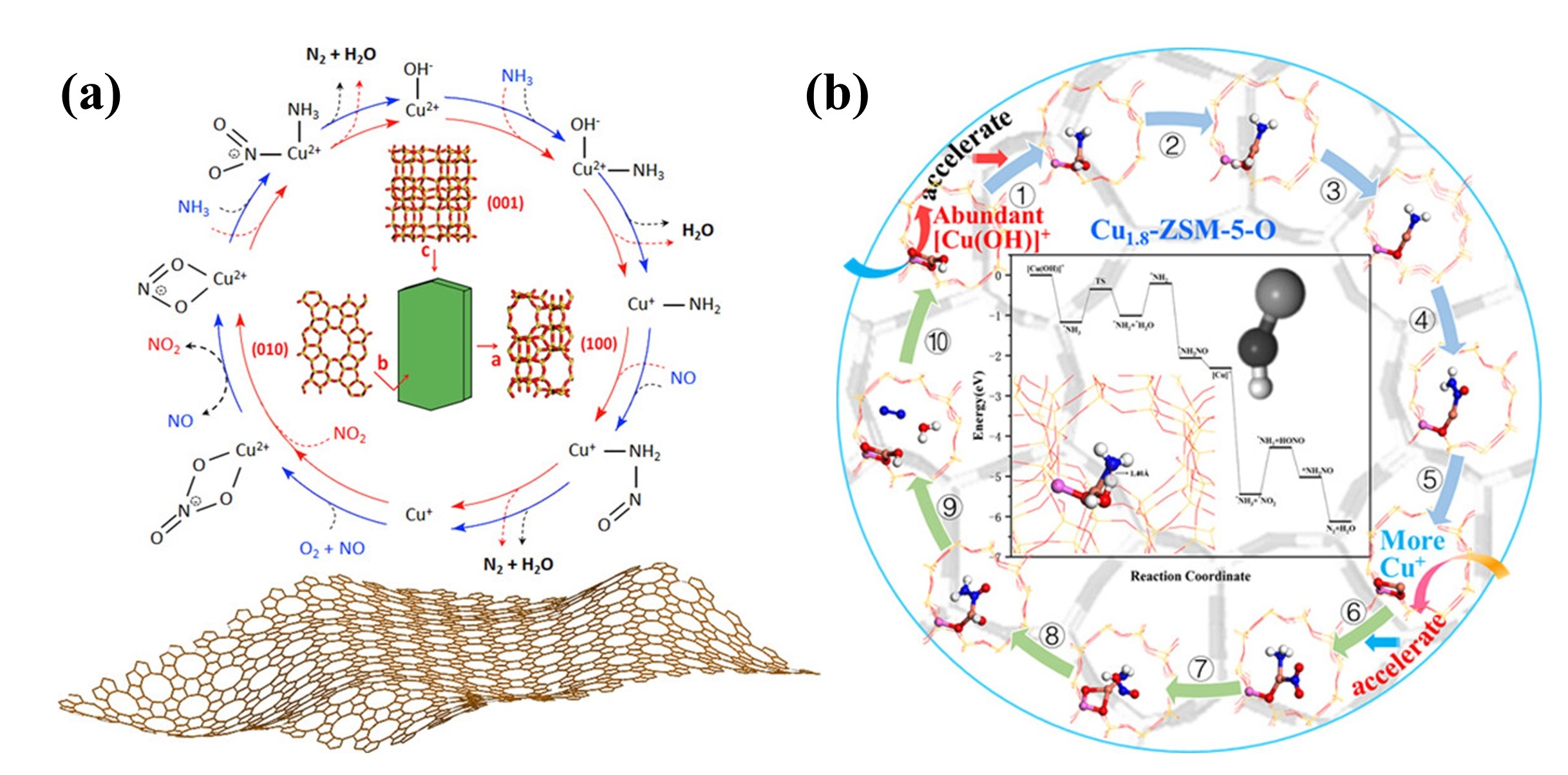
Fig. 3. Reaction mechanism of the NH3-SCR reaction over ZCuOH species. (a) Reprinted with permission from Ref. [72]. Copyright 2021, American Chemical Society. (b) Reprinted with permission from Ref. [29]. Copyright 2023, American Chemical Society.
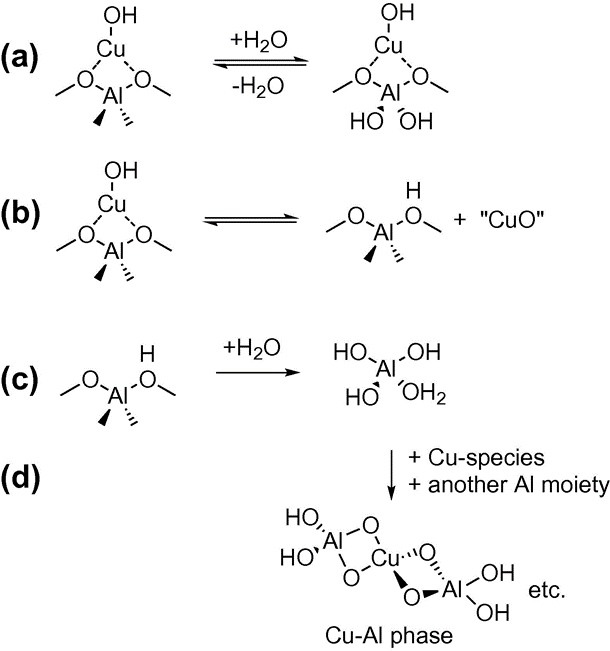
Fig. 4. Proposed hydrothermal deactivation mechanism in Cu-ZSM-5. Reprinted with permission from Ref. [75]. Copyright 2013, Elsevier B.V.
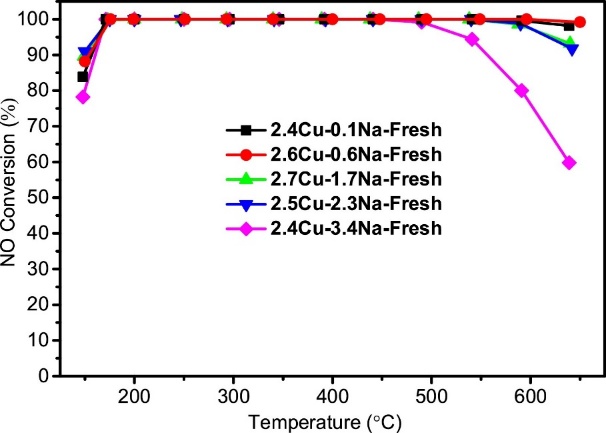
Fig. 5. The activity range of Cu-SSZ-13. Reprinted with permission from Ref. [104]. Copyright 2017, Elsevier B.V.
| Catalyst | Active range | Preparation method | Conditions | Ref. |
|---|---|---|---|---|
| Cu-SSZ-13 | 170-450 °C (T90) | one-pot method | 1000 ppm NO, 1000 ppm NH3, and 10% O2, | [ |
| Cu-SSZ-13 | 245-460 °C (T90) | one-pot method | 500 ppm NO, 530 ppm NH3, 7% O2, 5% H2O, GHSV = 450000 h-1 | [ |
| Cu-SSZ-13 | 250-550 °C (T90) | one-pot method | 500 ppm NO, 500 ppm NH3, 5% O2, GHSV = 800000 h-1 | [ |
| Cu&Zn-SSZ-13 | 200-600 °C (T90) | one-pot method | 600 ppm NO, 600 ppm NH3, 6% O2, 5 % H2O, GHSV ≈ 400000 h-1 | [ |
| Cu, M/SSZ-13 | 250-500 °C (T95) | ion exchange method | 350 ppm NO, 350 ppm NH3, 14% O2, 2.5% H2O, GHSV = 100000 h-1 | [ |
| Cu-Na-SSZ-13 | 150-650 °C (T85) | ion exchange method | 500 ppm NO, 500 ppm NH3, 10% O2, 5% H2O, GHSV = 80000 h-1 | [ |
Table 2 The range of activity prepared by different methods (SSZ-13).
| Catalyst | Active range | Preparation method | Conditions | Ref. |
|---|---|---|---|---|
| Cu-SSZ-13 | 170-450 °C (T90) | one-pot method | 1000 ppm NO, 1000 ppm NH3, and 10% O2, | [ |
| Cu-SSZ-13 | 245-460 °C (T90) | one-pot method | 500 ppm NO, 530 ppm NH3, 7% O2, 5% H2O, GHSV = 450000 h-1 | [ |
| Cu-SSZ-13 | 250-550 °C (T90) | one-pot method | 500 ppm NO, 500 ppm NH3, 5% O2, GHSV = 800000 h-1 | [ |
| Cu&Zn-SSZ-13 | 200-600 °C (T90) | one-pot method | 600 ppm NO, 600 ppm NH3, 6% O2, 5 % H2O, GHSV ≈ 400000 h-1 | [ |
| Cu, M/SSZ-13 | 250-500 °C (T95) | ion exchange method | 350 ppm NO, 350 ppm NH3, 14% O2, 2.5% H2O, GHSV = 100000 h-1 | [ |
| Cu-Na-SSZ-13 | 150-650 °C (T85) | ion exchange method | 500 ppm NO, 500 ppm NH3, 10% O2, 5% H2O, GHSV = 80000 h-1 | [ |
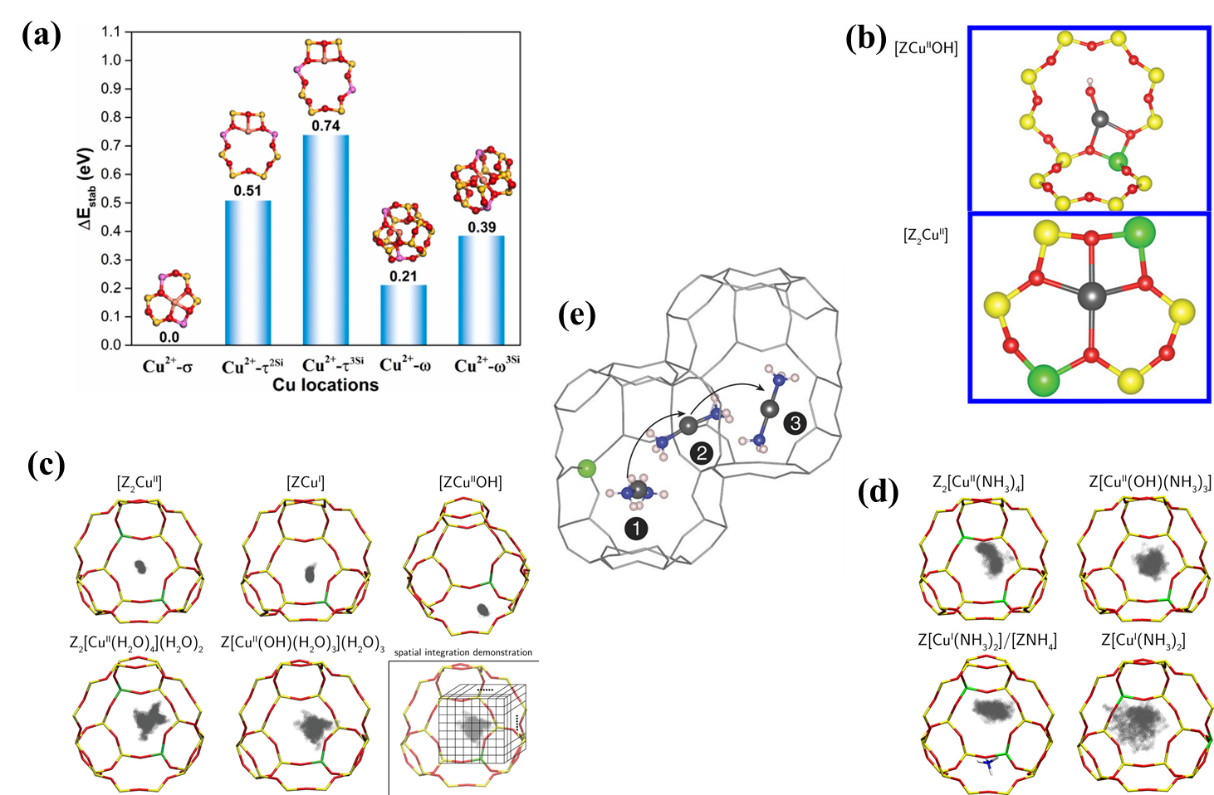
Fig. 6. The location of Cu and its migration in different atmospheres. (a) Relative binding energy of Cu2+-2Z under different possible Al arrangements. Reprinted with permission from Ref. [133]. Copyright 2021, Elsevier B.V. (b) HSE06-optimized structures of Cu sites. Reprinted with permission from Ref. [130]. Copyright 2016, American Chemical Society. (c) Cu positions (gray balls) visited during 90 ps of NVT AIMD at 298 K. Reprinted with permission from Ref. [130]. Copyright 2016, American Chemical Society. (d) Cu positions (gray balls) sampled inside the zeolite cage during 90 ps of equilibrated NVT AIMD at 473 K for the most stable NH3-solvated CuI and CuII species. Reprinted with permission from Ref. [130]. Copyright 2016, American Chemical Society. (e) Reactant state (1) [CuI(NH3)2 in the same cage as Al], transition state (2) [CuI(NH3)2 diffusion through 8-MR], and product state (3) [CuI(NH3)2 in the neighboring cage without Al]. Reprinted with permission from Ref. [135]. Copyright 2017, The American Association for the Advancement of Science.
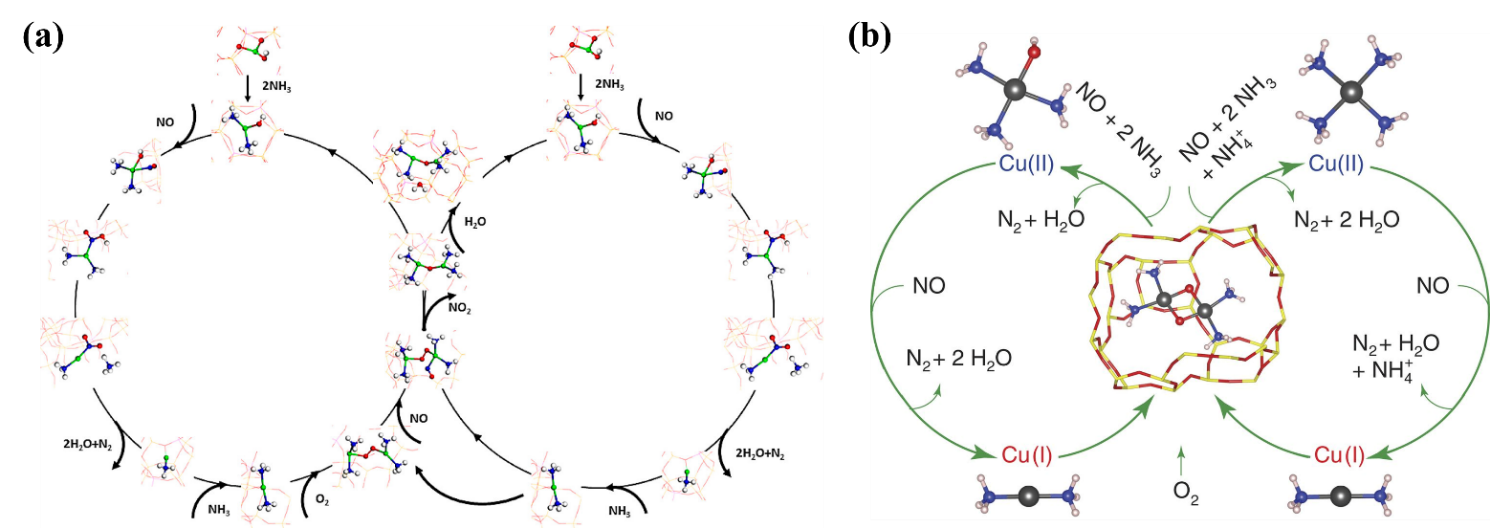
Fig. 7. Proposed low-temperature SCR catalytic cycle. (a) Reprinted with permission from Ref. [142]. Copyright 2017, American Chemical Society. (b) Reprinted with permission from Ref. [135]. Copyright 2017, The American Association for the Advancement of Science.
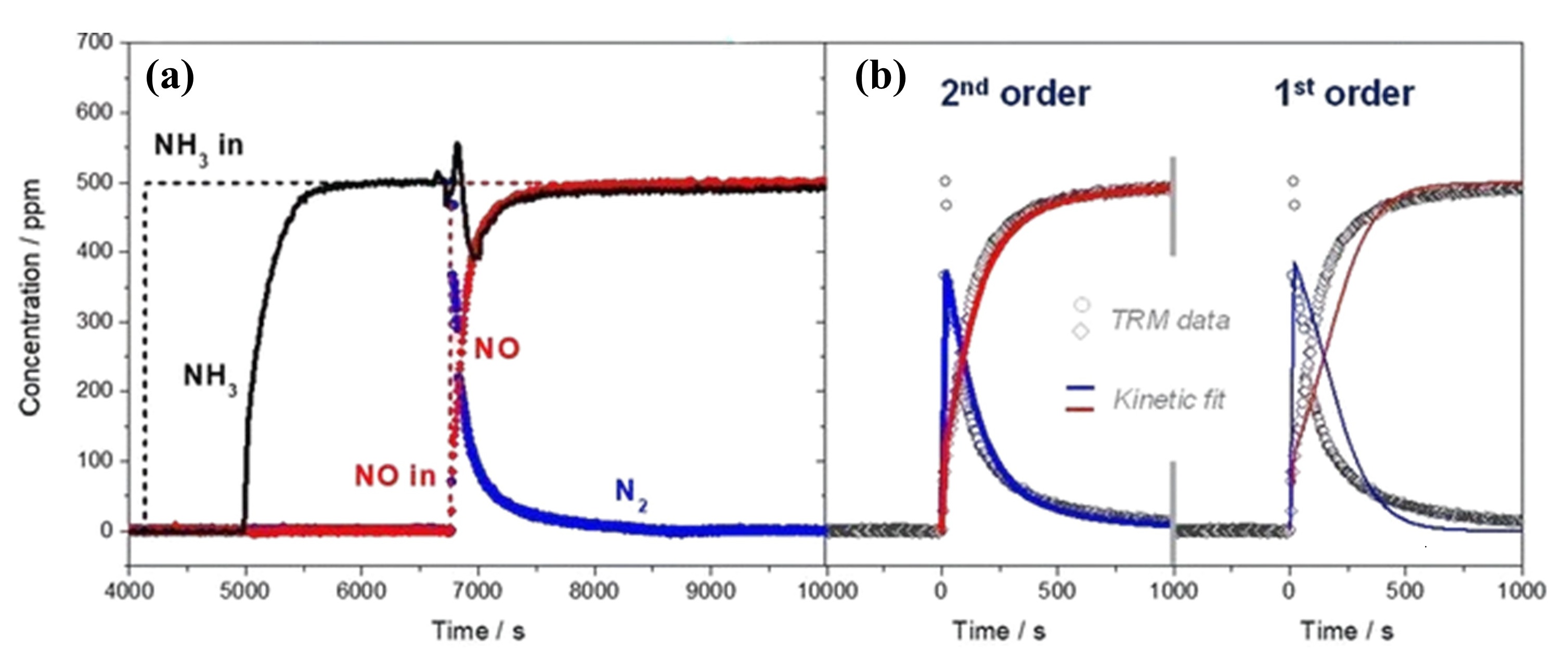
Fig. 8. TRM experiments over pre-oxidized Cu-CHA (a) and transient kinetic fits of the NO and N2 traces (b). Reprinted with permission from Ref. [151]. Copyright 2021, Wiley-VCH.
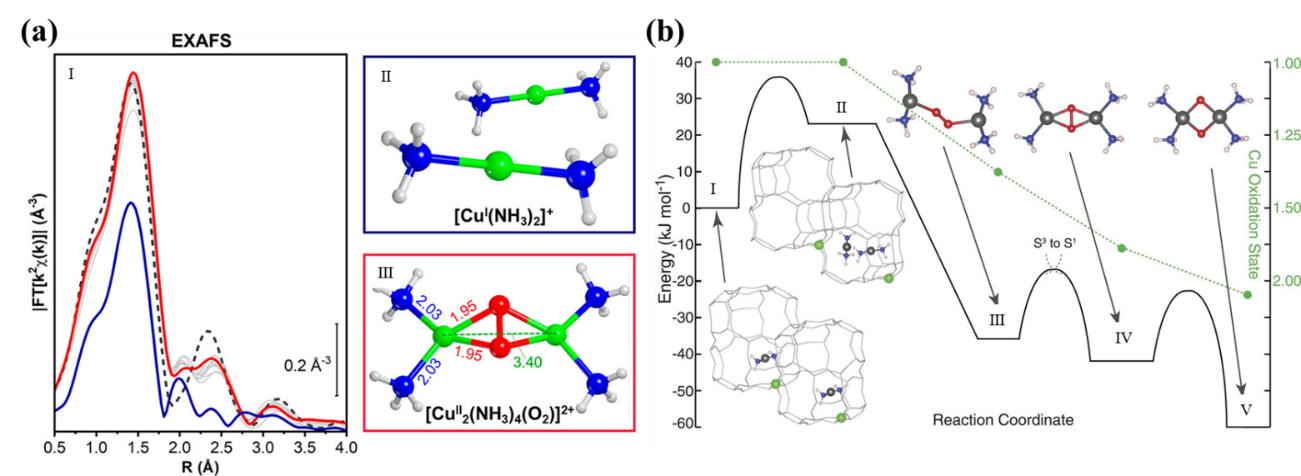
Fig. 9. (a) (I) Phase-uncorrected k2-weighted FT-EXAFS curves during exposure of the Cu-CHA catalyst to NO/NH3/He (dark blue thick line), followed by 10% O2 in He (gray thin lines; red thick line: final spectrum; dark gray dashed line: pretreatment in O2 by heating in O2 up to 400 °C and subsequently cooling in O2 down to 200 °C prior to XAS data collection, step 1. (II) Illustration of [Cu(NH3)2]+ and (III) μ-η2, η2-peroxo diamino dicopper (side-on) complexes. Atom color code: Cu, green; H, white; O, red; N, blue. Reprinted with permission from Ref. [155]. Copyright 2020, American Chemical Society. (b) Simulation of O2 adsorption and oxidation of two CuI(NH3)2 equivalents. Reprinted with permission from Ref. [135]. Copyright 2017, The American Association for the Advancement of Science.
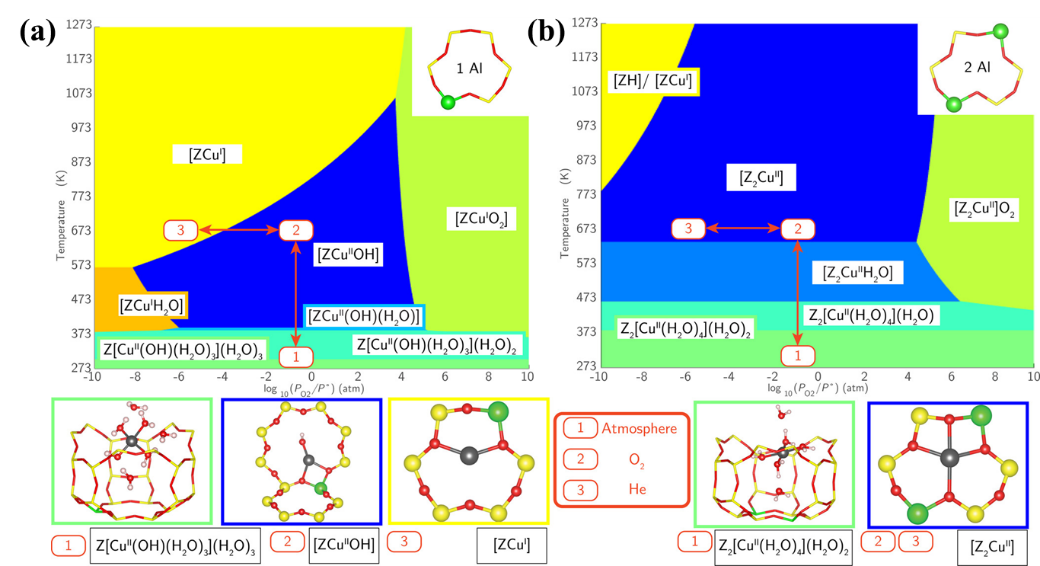
Fig. 10. Ex-situ Cu speciation phase diagrams based on HSE06-Tsvdw calculations on 1Al (a) and 2Al (b) Cu exchange sites. Regions indicate site composition that minimizes free energy at 2% H2O and given T and PO2. Reprinted with permission from Ref. [130]. Copyright 2016, American Chemical Society.

Fig. 11. (a) Schematic illustration of dynamic 15NH3 exchange between NH4+ and [Cu(NH3)2]+ species in Cu-CHA. Framework Si and Al atoms are depicted in blue and red, respectively, while Cu cations are shown in gold, with orange arrows indicating possible exchange pathways within the Cu-CHA pores. (b) Solid-state 2D exchange 15N NMR spectrum of fresh Cu-CHA recorded at 53 °C following 15NH3 exposure at 120 °C and subsequent reduction in 15NO at 300 °C; 1D projections are displayed along the horizontal and vertical axes. (c) Evolution of on-diagonal (red and blue) and off-diagonal (orange) peak intensities as a function of mixing time in 2D 15N exchange NMR spectra acquired at 53 °C, 11.7 T, and 12.5 kHz MAS for fresh Cu-CHA. (d) Eyring plots of temperature-dependent exchange rate coefficients derived from global fitting of data such as those in panel (c), measured at 41, 53, and 66 °C for fresh (black), 4-h-aged (red), and 16-h-aged (blue) Cu-CHA catalysts; error bars represent uncertainties estimated via Monte Carlo error propagation. Reprinted with permission from Ref. [171]. Copyright 2025, American Chemical Society.
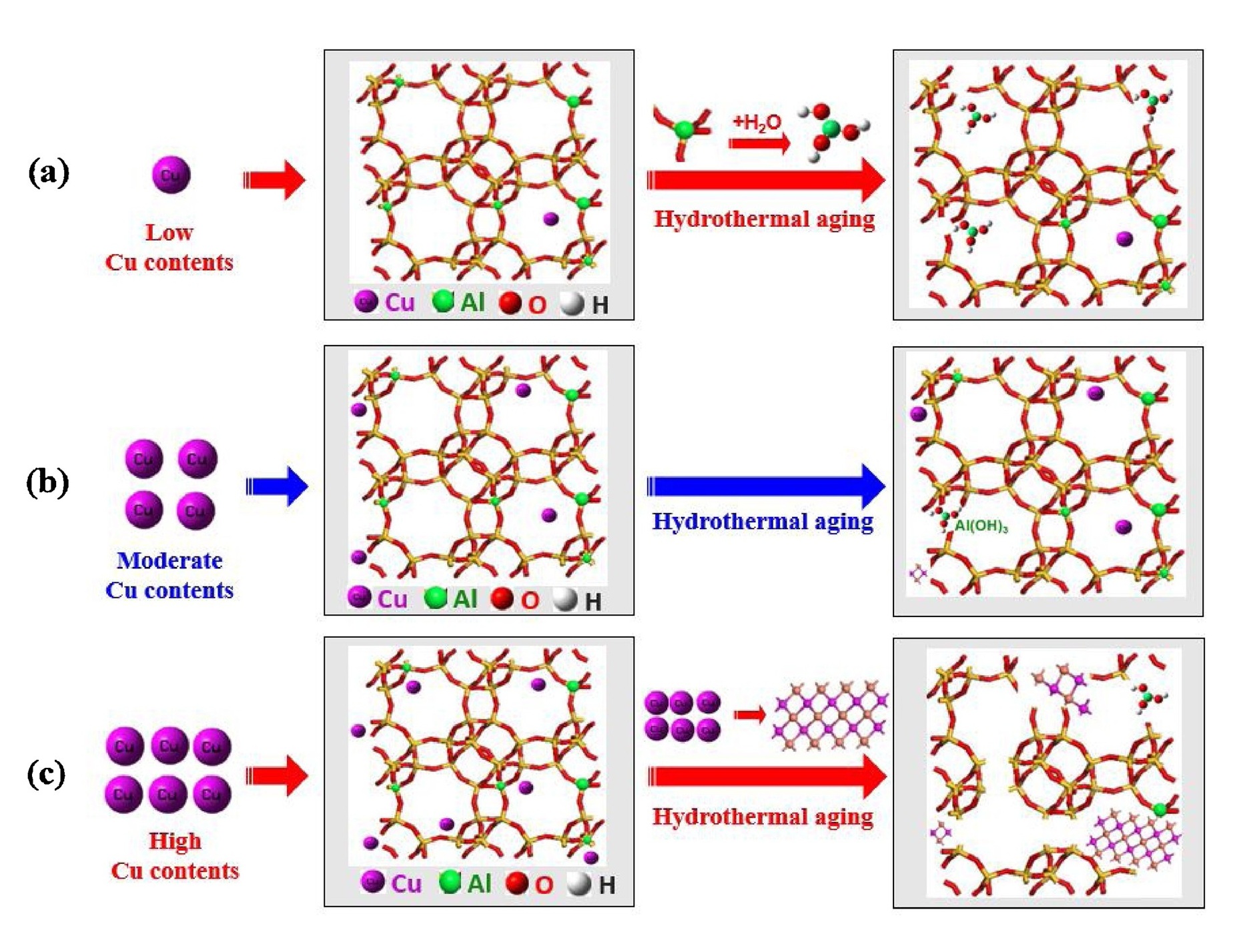
Fig. 12. The deactivation mechanism of hydrothermal aging of Cu-SSZ-13 with different Cu contents. Reprinted with permission from Ref. [178]. Copyright 2020, Elsevier B.V.
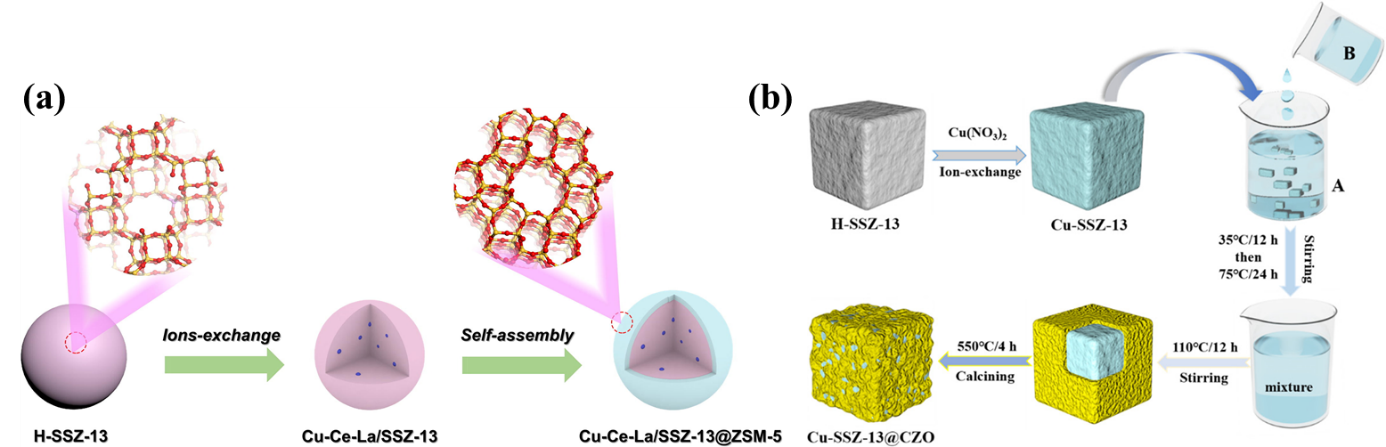
Fig. 13. Schematic diagram of the preparation of a core-shell catalyst. (a) Cu-Ce-La/SSZ-13@ZSM-5 core-shell catalyst. Reprinted with permission from Ref. [195]. Copyright 2020, Elsevier B.V. (b) Cu-SSZ-13@CZO core-shell catalyst. Reprinted with permission from Ref. [196]. Copyright 2022, American Chemical Society.
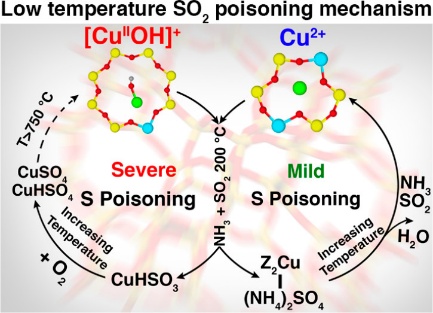
Fig. 14. Low temperature SO2 poisoning mechanism. Reprinted with permission from Ref. [197] Copyright 2018, American Chemical Society.
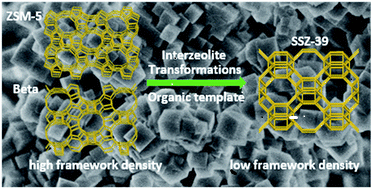
Fig. 15. Transformation synthesis of aluminosilicate SSZ-39 zeolite from ZSM-5 and Beta zeolite. Reprinted with permission from Ref. [239]. Copyright 2019, Royal Society of Chemistry.
| Catalyst | Active range | Conditions | Ref. |
|---|---|---|---|
| Cu-SSZ-39 | 250-550 °C (T80) | 800 °C, 12 h | [ |
| MnCu-SSZ-39 | 250-550 °C (T90) | 850 °C, 12 h | [ |
| Cu-SSZ-39 | 225-450 °C (T90) | 900 °C, 5 h | [ |
| Cu/Y-SSZ-39 | 200-550 °C (T70) | 900 °C, 10 h | [ |
| Cu-SSZ-39 | 225-500 °C (T85) | 850 °C, 16 h | [ |
| Cu-Y-SSZ-39 | 200-550 °C (T80) | 940 °C, 3 h | [ |
Table 3 The activity range after hydrothermal aging (SSZ-39).
| Catalyst | Active range | Conditions | Ref. |
|---|---|---|---|
| Cu-SSZ-39 | 250-550 °C (T80) | 800 °C, 12 h | [ |
| MnCu-SSZ-39 | 250-550 °C (T90) | 850 °C, 12 h | [ |
| Cu-SSZ-39 | 225-450 °C (T90) | 900 °C, 5 h | [ |
| Cu/Y-SSZ-39 | 200-550 °C (T70) | 900 °C, 10 h | [ |
| Cu-SSZ-39 | 225-500 °C (T85) | 850 °C, 16 h | [ |
| Cu-Y-SSZ-39 | 200-550 °C (T80) | 940 °C, 3 h | [ |

Fig. 16. NH3-SCR performance of fresh (a) and HTA (b) catalysts after 850 °C for 16 h. Reprinted with permission from Ref. [244]. Copyright 2024, Elsevier B.V.
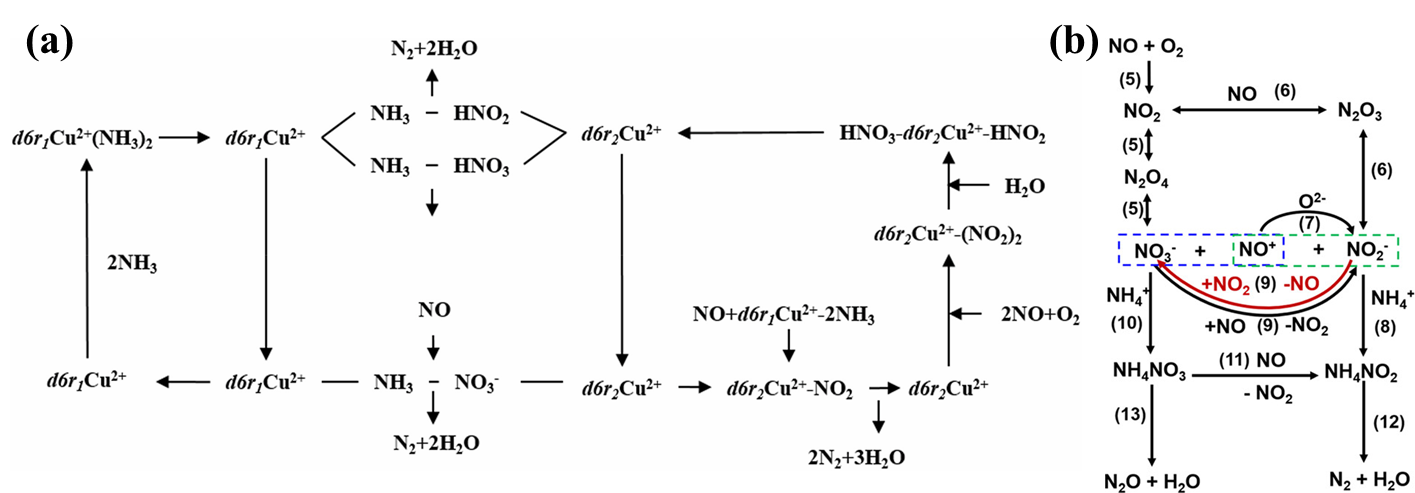
Fig. 17. The supposed reaction mechanism of NH3-SCR on Cu/SSZ-39. (a) Reprinted with permission from Ref. [248]. Copyright 2021, Elsevier B.V. (b) Reprinted with permission from Ref. [249]. Copyright 2021, American Chemical Society.
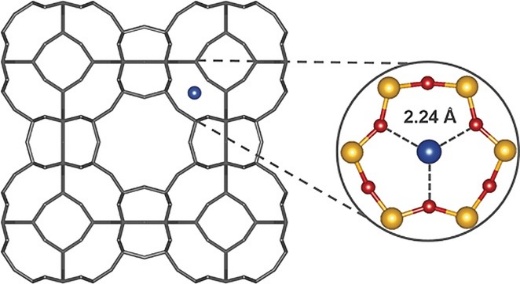
Fig. 18. Structure of the fresh, dehydrated Cu-LTA-16-0.48 catalyst. A Cu2+ cation located at the center of a single 6-ring is shown at the right. Reprinted with permission from Ref. [33]. Copyright 2017, Wiley-VCH.
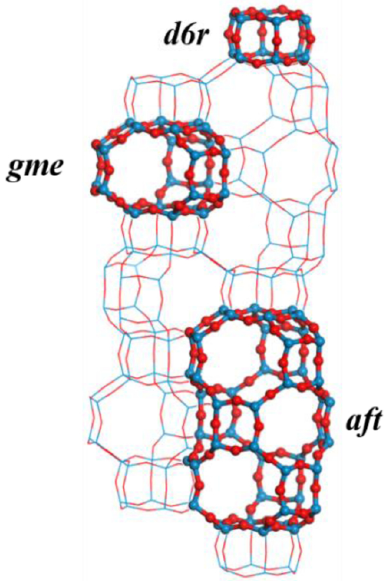
Fig. 19. Structure of the AFX framework and its building units. Reprinted with permission from Ref. [262]. Copyright 2023 Elsevier B.V.
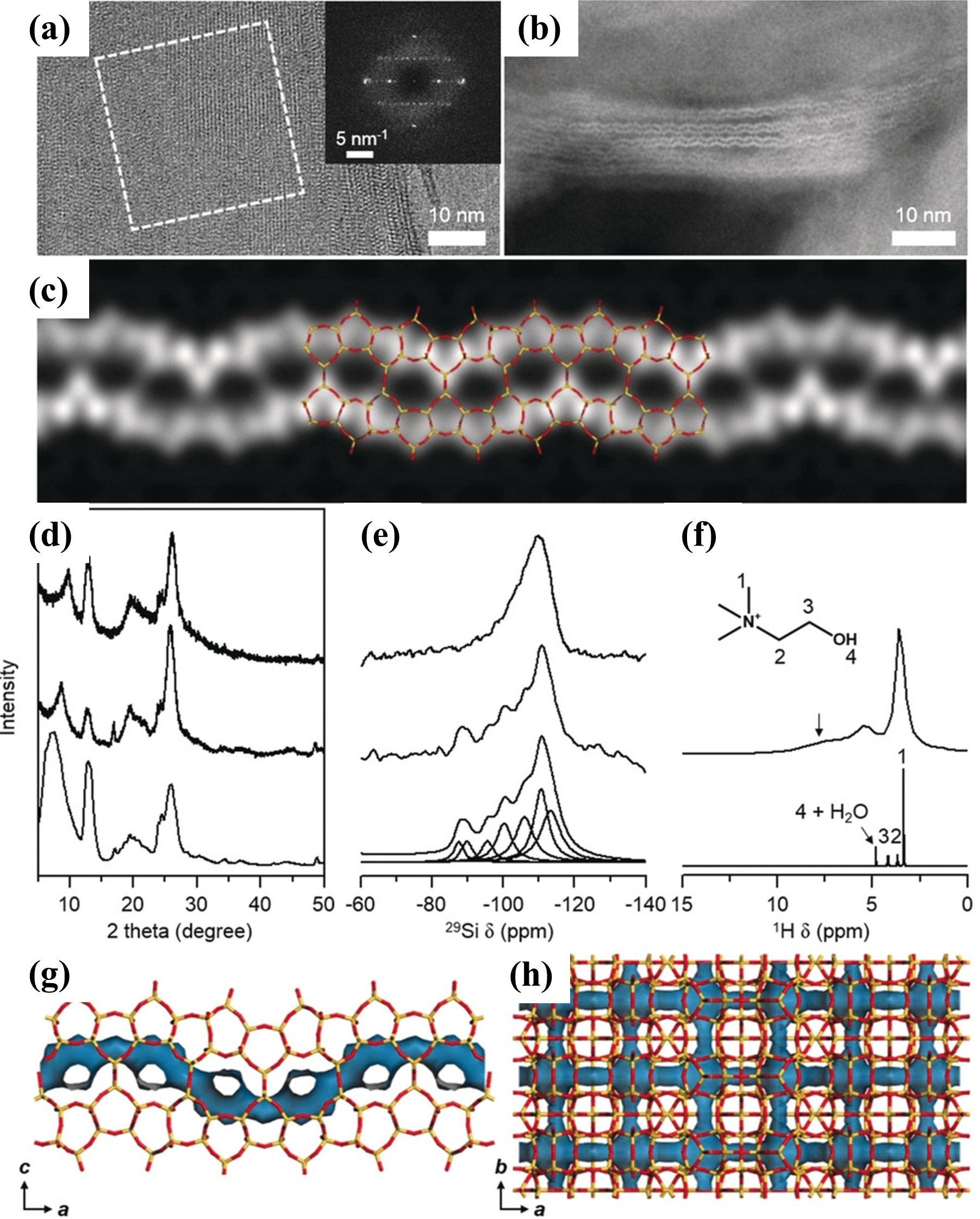
Fig. 20. (a) HRTEM image of as-made ChRbLi-PST-9. (b) ADF-STEM image of ChRbLi-PST-9 obtained along the b-axis after sectioning the nanosheet by ultramicrotome. (c) Projected potential map constructed based on the ADF-STEM image in plane group pmg showing the structure of PST-9 viewed along the b-axis. (d) Simulated powder XRD pattern. (e) Simulated 29Si MAS NMR spectra of as-made ChRbLi-PST-9. (f) 1H NMR spectra of organic SDA, choline. (g,h) Structures of PST-9 along the b-axis and c-axis. Reprinted with permission from Ref. [269]. Copyright 2019, Wiley-VCH.
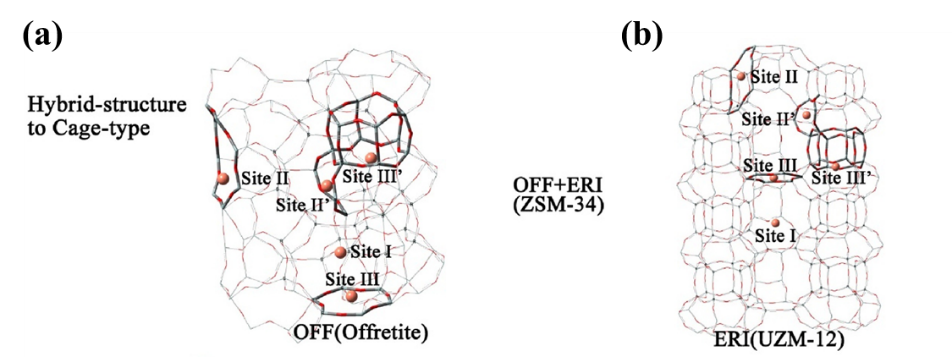
Fig. 21. Schematic of OFF (a) and ERI (b) zeolite frameworks. Reprinted with permission from Ref. [272]. Copyright 2018 Elsevier B.V.

Fig. 22. (a-d) SCR reaction rates at different temperatures of Cu-T, Cu-ERI, and Cu-OFF before and after hydrothermal aging treatment, and in-situ DRIFTS spectra of NO + O2 saturation adsorption. (e) NH4NO3 decomposition pathway assisted with/without BAS. Reprinted with permission from Ref. [276]. Copyright 2024 American Chemical Society.
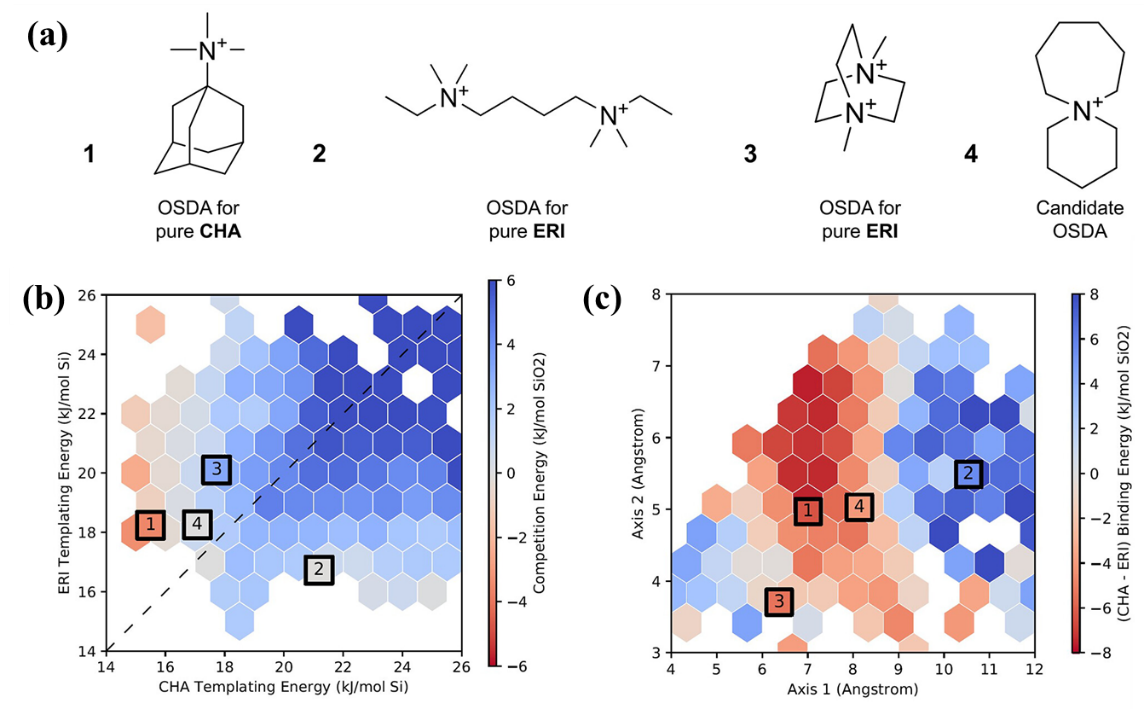
Fig. 23. (a) OSDA reported to crystallize CHA and ERI with the candidate OSDA presented. (b) Comparison between the templating energies of the OSDAs with the CHA and ERI frameworks. (c) Relationship between the shape of the OSDAs and their binding energies toward CHA or ERI. Reprinted with permission from Ref. [277]. Copyright 2024, American Chemical Society.
| Catalyst | Topological structure | Cu location | Active range (fresh) | Active range (aged) | Primary applications |
|---|---|---|---|---|---|
| Cu-ZSM-5 | MFI | 10-MR, 6-MR | 200-450 °C | poor | low-temperature stationary sources |
| Cu-SSZ-13 | CHA | 6-MR, 8MR | 180-550 °C | 225-450 °C (T90, 800 °C, 16 h) | diesel vehicle exhaust |
| Cu-SSZ-39 | AEI | 6-MR, 8MR | 225-550 °C | 225-500 °C (T85, 850 °C, 16 h) | next-generation diesel vehicles |
| Cu-LTA | LTA | 6-MR | 250-580 °C | 225-500 °C (T90, 900 °C, 24 h) | high-temperature stationary sources |
| Cu-SSZ-16 | AFX | gme, aft | 175-600 °C | 225-450 °C (T85, 800 °C, 16 h) | gas turbine |
| Cu-PST-9 | PST-9 | 8-MR | 220-500 °C | 225-500 °C (T80) | multifunctional catalysis |
| Cu-OFF/ERI | OFF/ERI | interface 6-MR | 175-550 °C | 225-500 °C (T90, 750 °C, 16 h) | alternative Cu-SSZ-13 |
Table 4 Comparison of Cu-zeolite catalysts with different topological structures.
| Catalyst | Topological structure | Cu location | Active range (fresh) | Active range (aged) | Primary applications |
|---|---|---|---|---|---|
| Cu-ZSM-5 | MFI | 10-MR, 6-MR | 200-450 °C | poor | low-temperature stationary sources |
| Cu-SSZ-13 | CHA | 6-MR, 8MR | 180-550 °C | 225-450 °C (T90, 800 °C, 16 h) | diesel vehicle exhaust |
| Cu-SSZ-39 | AEI | 6-MR, 8MR | 225-550 °C | 225-500 °C (T85, 850 °C, 16 h) | next-generation diesel vehicles |
| Cu-LTA | LTA | 6-MR | 250-580 °C | 225-500 °C (T90, 900 °C, 24 h) | high-temperature stationary sources |
| Cu-SSZ-16 | AFX | gme, aft | 175-600 °C | 225-450 °C (T85, 800 °C, 16 h) | gas turbine |
| Cu-PST-9 | PST-9 | 8-MR | 220-500 °C | 225-500 °C (T80) | multifunctional catalysis |
| Cu-OFF/ERI | OFF/ERI | interface 6-MR | 175-550 °C | 225-500 °C (T90, 750 °C, 16 h) | alternative Cu-SSZ-13 |
|
| [1] | Sen Wang, Shiying Li, Rui Geng, Bo Zhou, Pengfei Wang, Zhangfeng Qin, Mei Dong, Jianguo Wang, Unni Olsbye, Weibin Fan. The smallest Ni species triggering selective hydrogenation of CO2 to methane: Ni dimer embedded in MFI and enhancement of MnOx [J]. Chinese Journal of Catalysis, 2026, 87(8): 113-125. |
| [2] | Yang Ding, Yizhen Lu, Tianrong Yu, Mingrui Zhang, Rui Zhao, Ruijie Yang, Qixin Li, Shiqun Wu, Jinlong Zhang. Dual pathways in photo-driven Fischer-Tropsch synthesis for high selective hydrocarbon production [J]. Chinese Journal of Catalysis, 2026, 87(8): 22-46. |
| [3] | Shahla Karimi, Mehran Rezaei, Jiguang Deng, Hongxing Dai, Ali Rastegarpanah. Recent advances in noble metal-based catalysts for methane decomposition: Performance, mechanism, and optimization [J]. Chinese Journal of Catalysis, 2026, 86(7): 9-48. |
| [4] | Jiaying Liu, Yu Fang. Unraveling structure-activity relationships in 2-D covalent organic frameworks for photocatalysis: From molecular engineering to high-performance optimization [J]. Chinese Journal of Catalysis, 2026, 85(6): 47-87. |
| [5] | Jingyao Wu, Yujing Lv, Qiang Zhao, Shuo Wang, Ying Wang, Na Wen, Zhengxin Ding, Zizhong Zhang, Jinlin Long. Electron-proton duet in covalent organic frameworks for efficient direct oxygen reduction to hydrogen peroxide [J]. Chinese Journal of Catalysis, 2026, 84(5): 288-300. |
| [6] | Zhiyao Liu, Tangkang Liu, Chuan Qin, Guoliang Liu, Anmin Zheng. Zirconia-mediated interfacial catalysis for CO2 hydrogenation [J]. Chinese Journal of Catalysis, 2026, 84(5): 1-24. |
| [7] | Yu Gu, Shujia Zhang, Minglu Xu, Hao Yan, Minghao Zhou, Lei Wang, Hui Shi. Dehydroaromatization of methane and methane co-aromatization process with propane: Reaction mechanism, catalyst design, carbon deposition and process optimization [J]. Chinese Journal of Catalysis, 2026, 84(5): 25-60. |
| [8] | Haifeng Fan, Di Xu, Ting Zeng, Guoqiang Hou, Yangyang Li, Siyi Huang, Yanfei Xu, Zheng Wang, Xinhua Gao, Xiang-Kui Gu, Mingyue Ding. Highly efficient electron-enriched Y2O3‒x-Ni interfaces boosting low-temperature CO2 methanation [J]. Chinese Journal of Catalysis, 2026, 84(5): 200-213. |
| [9] | Run Pan, Abubakar Yusuf, Chengjun Wang, Jianrong Li, Zhiyu Xiao, Shuai Liu, Yidong Zhong, Yong Ren, Zheng Wang, Hainam Do, John L. Zhou, George Zheng Chen, Jun He. Core-shell Pd@CeO2/γ‐Al2O3 catalysts: Boosting efficiency and durability in stoichiometric natural gas vehicle exhaust treatment [J]. Chinese Journal of Catalysis, 2026, 82(3): 348-362. |
| [10] | Fan Dang, Chunli Ai, Chi Ma, Zeyu Jiang, Jicheng Liu, Mingjiao Tian, Mingzhuo Zhang, Chi He. Advances in metal oxide catalysts for efficient VOCs oxidation: Synthesis strategy and catalytic mechanism [J]. Chinese Journal of Catalysis, 2026, 81(2): 97-123. |
| [11] | Bingzhi Li, Ganggang Li, Zeyu Zhao, Fenglian Zhang, Zhongshen Zhang, Jie Cheng, Zhengping Hao. Oxygen vacancy-mediated asymmetric Ni-Ov-Co sites for efficient low-temperature N2O decomposition [J]. Chinese Journal of Catalysis, 2026, 90(11): 276-286. |
| [12] | Yueyang Yao, Nan Zhang, Ruiqian Jiao, Panpan Liu, Xiangbo Feng, Dandan Ma, Jun Li, Yu Chen, Jian-Wen Shi. Rational design of rare earth-modified Mn-based catalysts for low-temperature NH3-SCR: Mechanisms, strategies, and prospects [J]. Chinese Journal of Catalysis, 2026, 89(10): 40-75. |
| [13] | Ai Yating, A. C. Carabineiro Sónia, Xiong Xianqiang, Zhu Huayue, Wang Qi, Weng Bo, Yang Min-Quan. Systematic assessment of emerging contaminants elimination using an S-scheme Mn0.5Cd0.5S/In2S3 photocatalyst: Degradation pathways, toxicity evaluation and mechanistic analysis [J]. Chinese Journal of Catalysis, 2025, 75(8): 147-163. |
| [14] | Qisong Yi, Lu Lin, Huawei Geng, Shaohua Chen, Yuanchao Shao, Ping He, Zhifeng Liu, Haimei Xu, Tiehong Chen, Yuanshuai Liu, Valentin Valtchev. Benefits of H-ZSM-5 zeolite from fluoride-mediated acidic synthesis for liquid-phase conversion of cyclohexanol [J]. Chinese Journal of Catalysis, 2025, 74(7): 97-107. |
| [15] | Jian-Feng Wu, Li-Ye Liang, Zheng Che, Yu-Ting Miao, Lingjun Chou. Bimetallic oxide catalysts for CO2 hydrogenation to methanol: Recent advances and challenges [J]. Chinese Journal of Catalysis, 2025, 73(6): 62-78. |
| Viewed | ||||||
|
Full text |
|
|||||
|
Abstract |
|
|||||


