
Chinese Journal of Catalysis ›› 2027, Vol. 92: 219-236.DOI: 10.1016/S1872-2067(26)65232-1
• Articles • Previous Articles Next Articles
Mengxuan Liua, Rongxin Zhangb, Xin Zhangb,*( ), Yanfeng Zhanga,*()
Received:2026-06-22
Accepted:2026-08-11
Online:2027-01-02
Published:2026-10-30
Contact:
*E-mail: zhangyanfeng@hebtu.edu.cn (Y. Zhang),Supported by:Mengxuan Liu, Rongxin Zhang, Xin Zhang, Yanfeng Zhang. WO3/PHI S-scheme heterojunction with photoinduced dual defects for highly selective photocatalytic CO2-to-CO conversion[J]. Chinese Journal of Catalysis, 2027, 92: 219-236.
Add to citation manager EndNote|Ris|BibTeX
URL: https://www.cjcatal.com/EN/10.1016/S1872-2067(26)65232-1

Fig. 1. (a) Schematic illustration for synthesis of WO3/PHI. SEM micrographs of WO3 (b), PHI (c), and WO3/PHI (d). (e) HRTEM image of WO3/PHI. lattice spacing of WO3 (f) and PHI (g). EDS images of C (h), N (i), W (j), and O (k) in WO3/PHI.
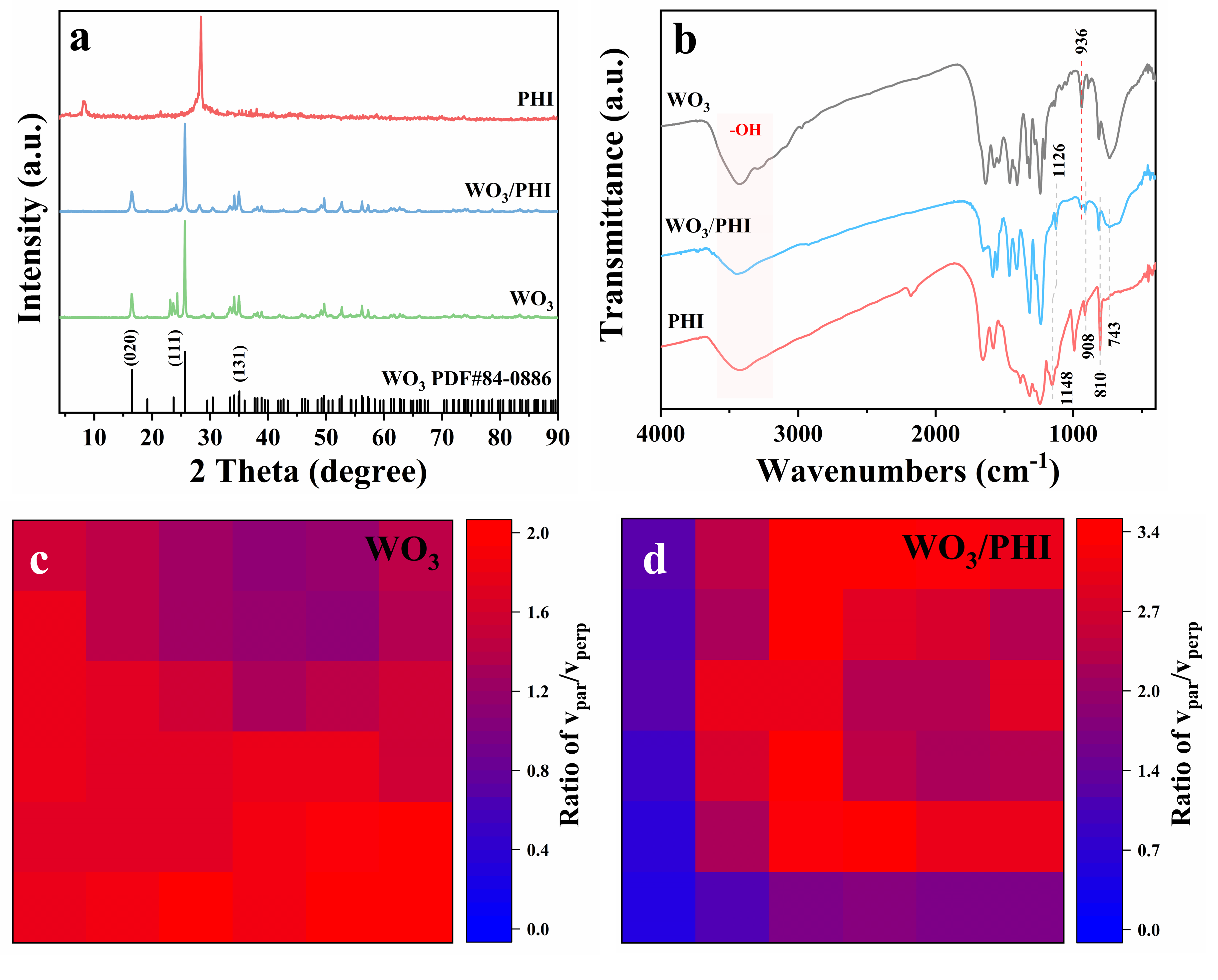
Fig. 2. XRD patterns (a) and FTIR spectra (b) of WO3, PHI, and WO3/PHI. Polarized Raman mapping images of WO3 (c) and WO3/PHI (d).
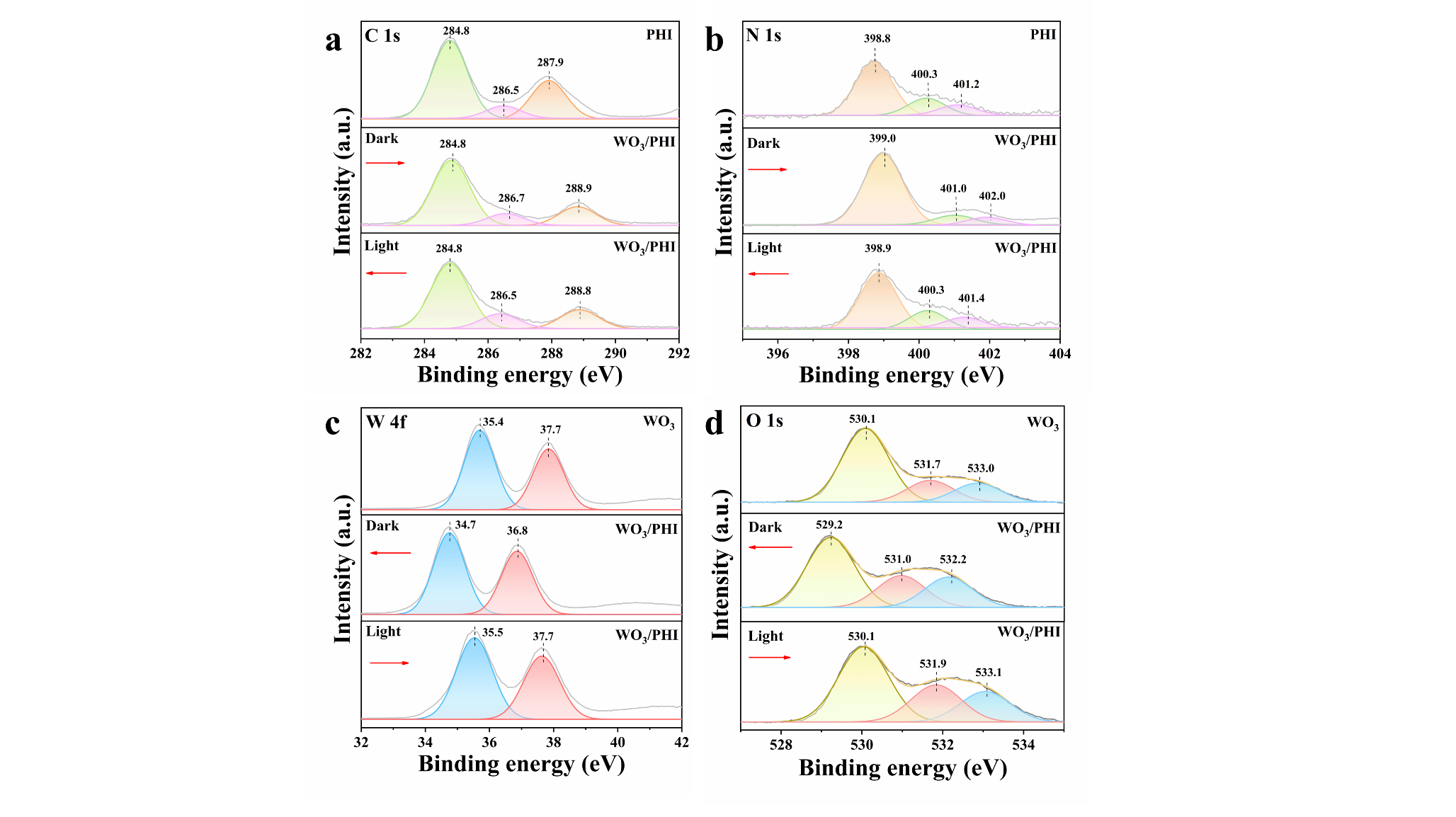
Fig. 3. High-resolution XPS spectra of C 1s (a), N 1s (b), W 4f (c), and O 1s (d) for WO3, PHI and WO3/PHI under dark and illuminated conditions.
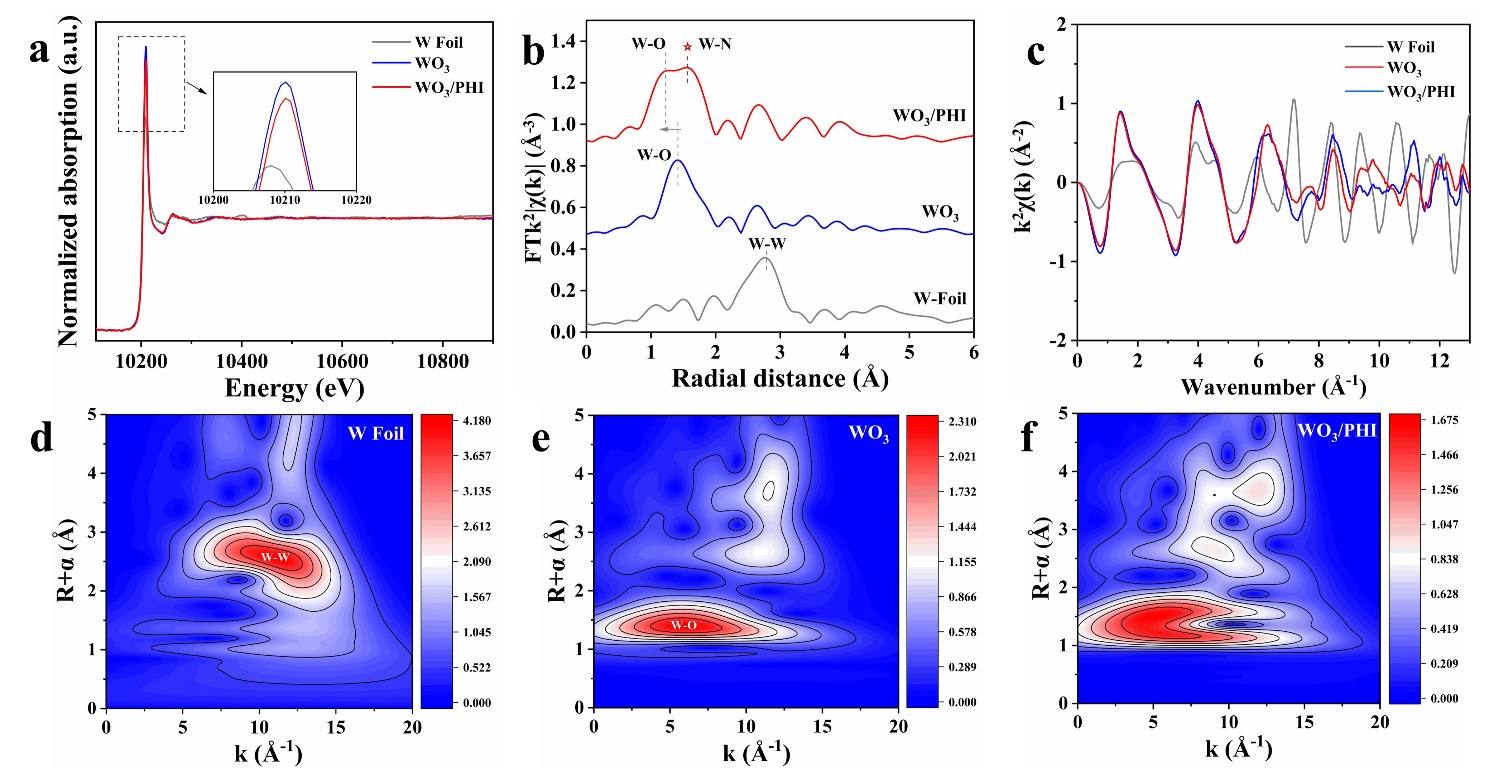
Fig. 4. W L3-edge XANES (a) and corresponding k2-weight W-L3 edge FT-EXAFS (b) of W Foil, WO3 and WO3/PHI. (c) k space of EXAFS for W Foil, WO3 and WO3/PHI. W L3-edge WT-EXAFS for W Foil (d), WO3 (e), and WO3/PHI (f). All EXAFS data are k2-weighted and not phase-corrected.
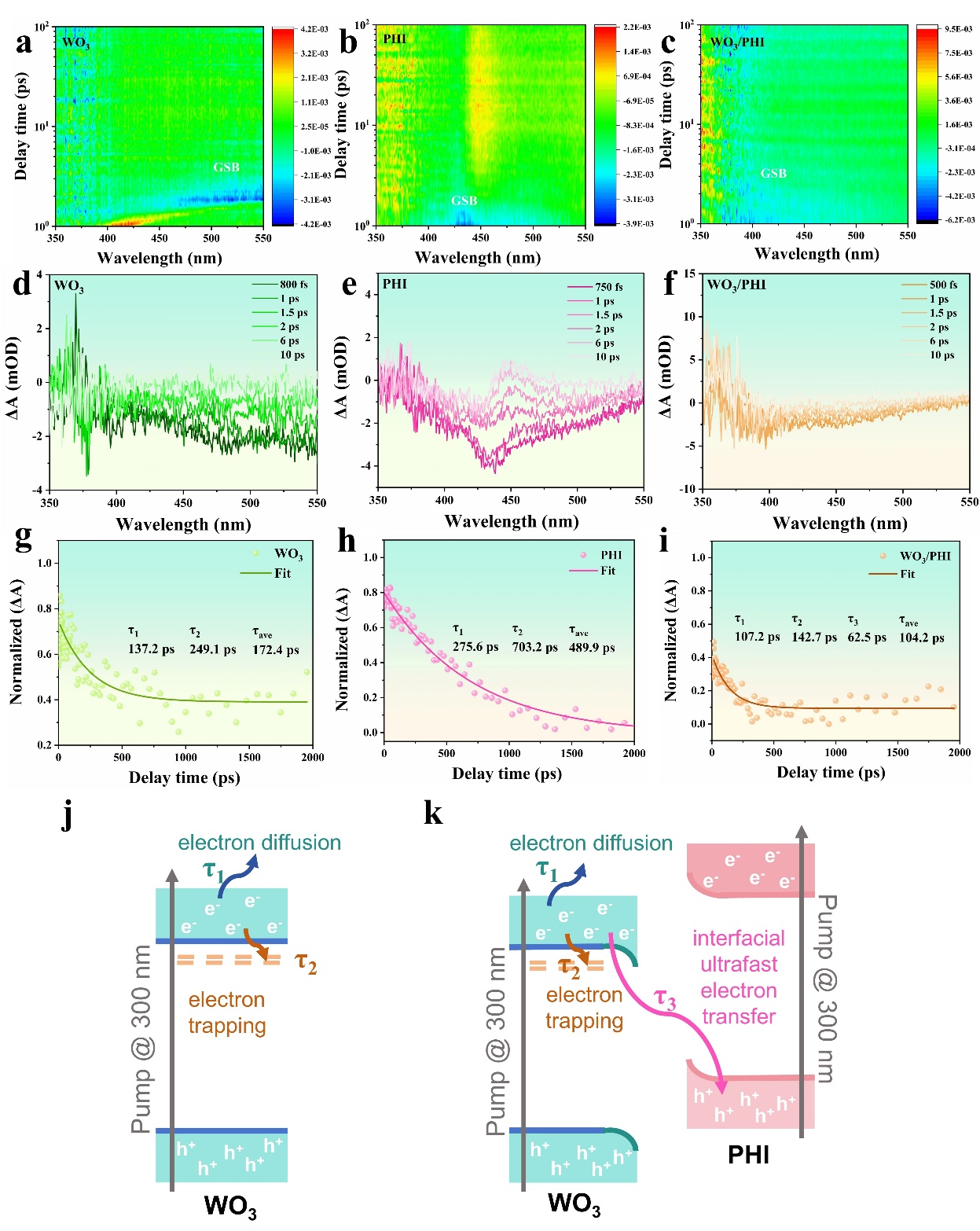
Fig. 5. Pseudocolor mapping (a-c) and relevant two-dimensional ultrafast spectral signal (d-f) of fs-TA for WO3, PHI, and WO3/PHI. Corresponding kinetic decay curves within 2000 ps of WO3 (g), PHI (h), WO3/PHI (i). The decay pathways of photogenerated carriers in WO3 (j) and WO3/PHI heterojunction (k).
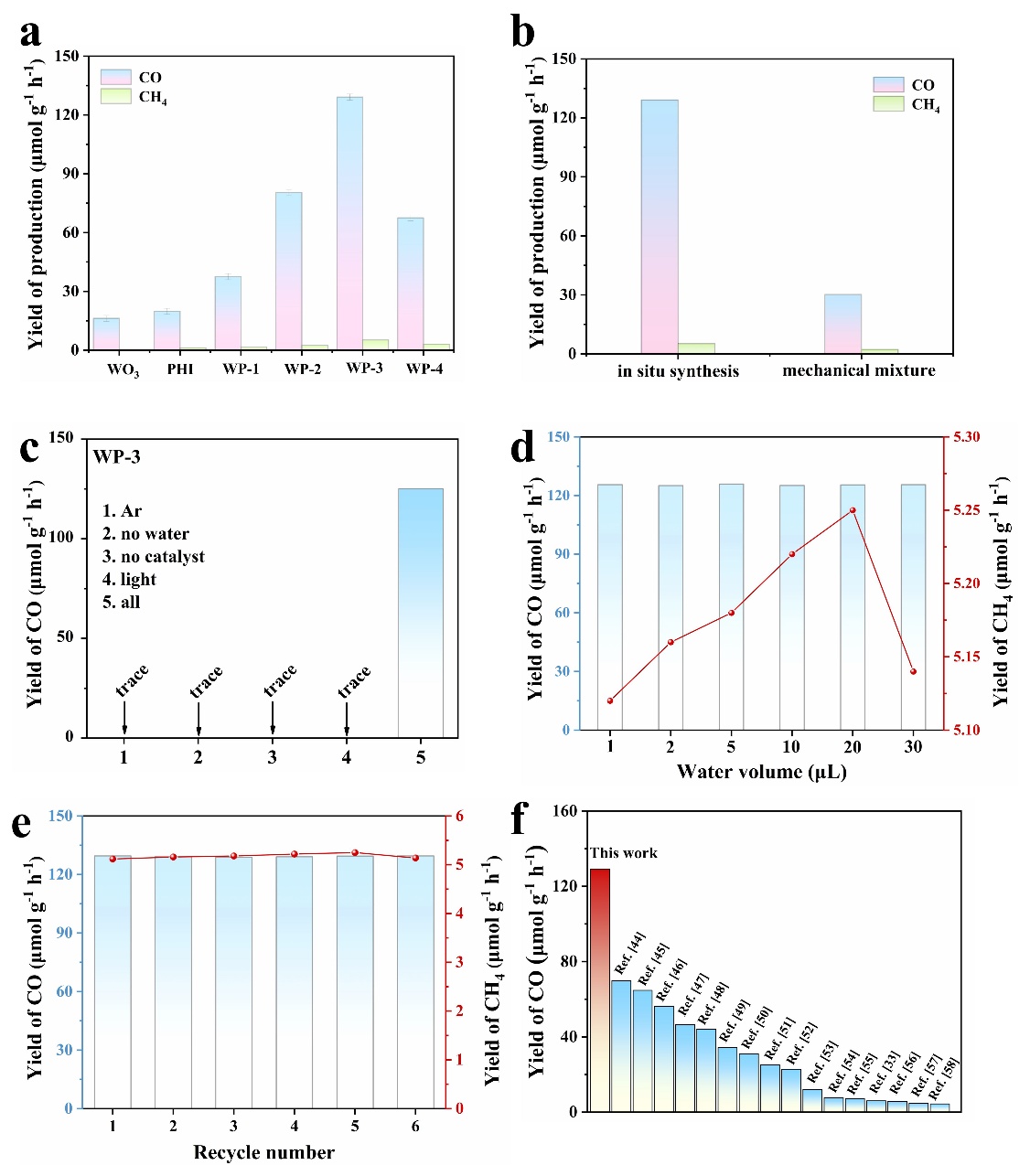
Fig. 6. (a) Yield of CO and CH4 with different photocatalysts. (b) Yield of CO and CH4 in catalysts prepared by different methods. (c) Yield of CO and CH4 under different experimental conditions. (d) Yield of CO and CH4 in WP-3 with different water volume. (e) Cycle experiments of WP-3 for photocatalytic CO2 RR. (d) CO2 RR experiments via WP-3 under different illumination time. (f) Performance of different catalysts for yield of CO in photocatalytic CO2 RR.
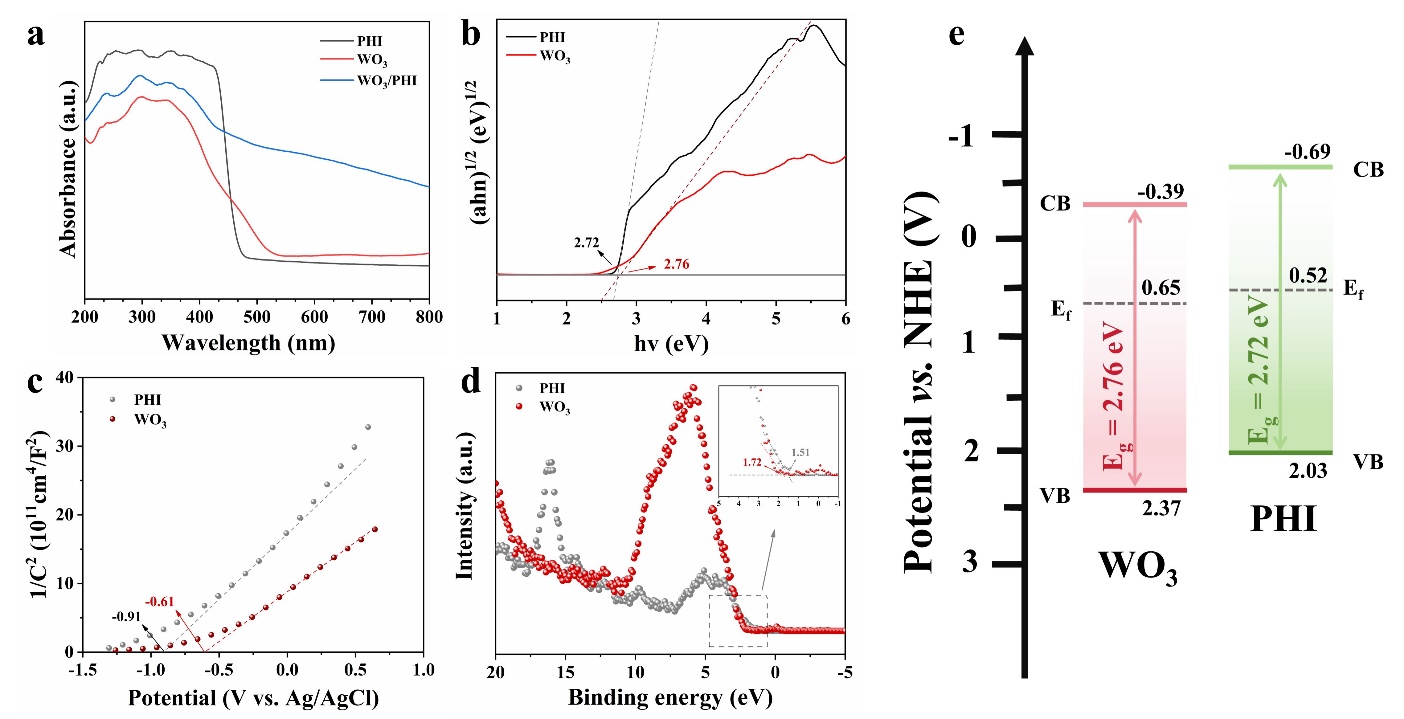
Fig. 7. (a) UV-vis DRS of pristine WO3, PHI, and WO3/PHI. (b) Bandgap plots of pristine WO3 and PHI. (c) Mott-Schottky plots of pristine WO3 and PHI. (d) VB-XPS spectra of pristine WO3 and PHI. (e) Schematic band structures of pristine WO3 and PHI.
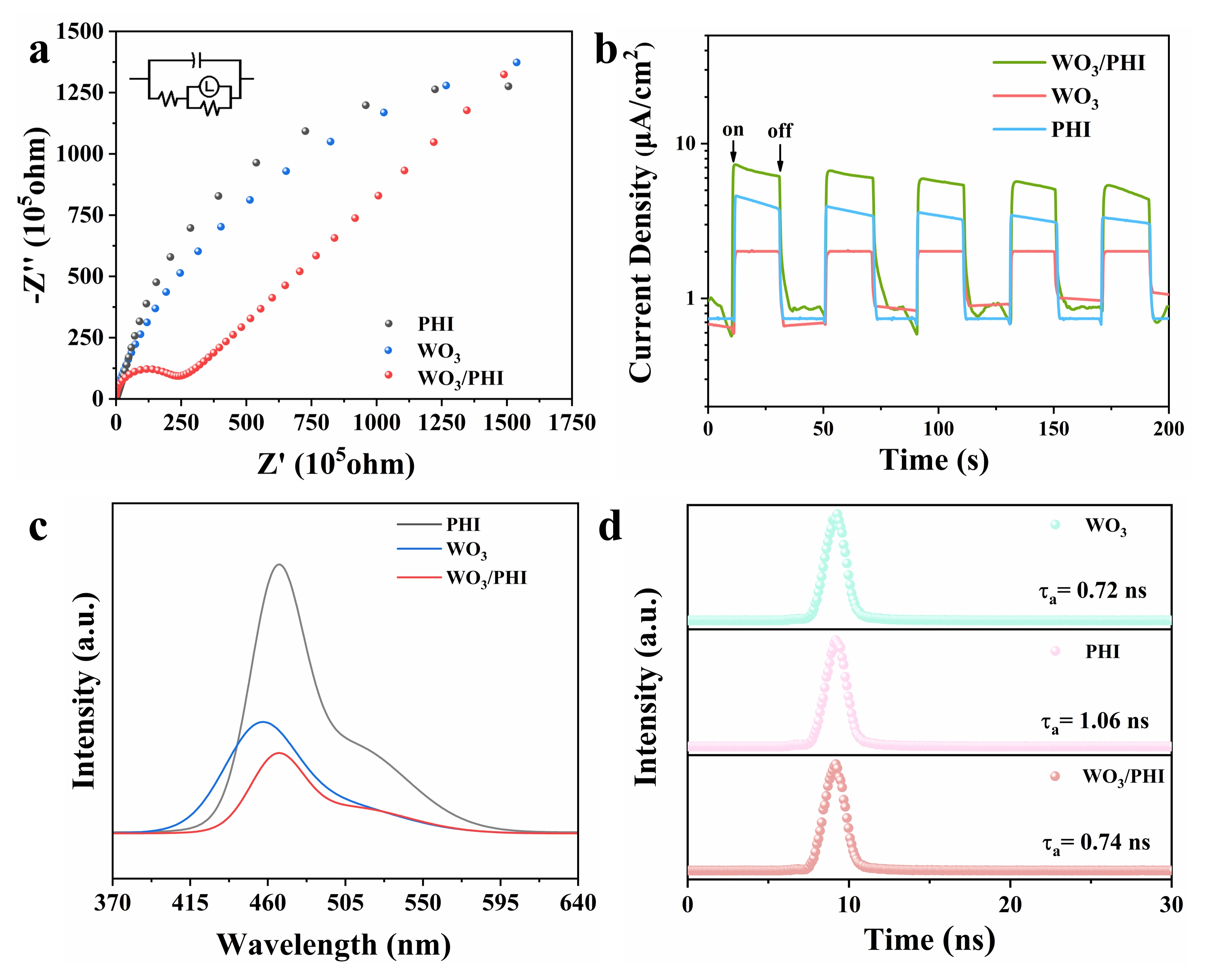
Fig. 8. Nyquist plots (a), instantaneous photocurrent density (b), PL spectra (c) and TRPL curves (d) of pristine WO3, PHI and WO3/PHI.
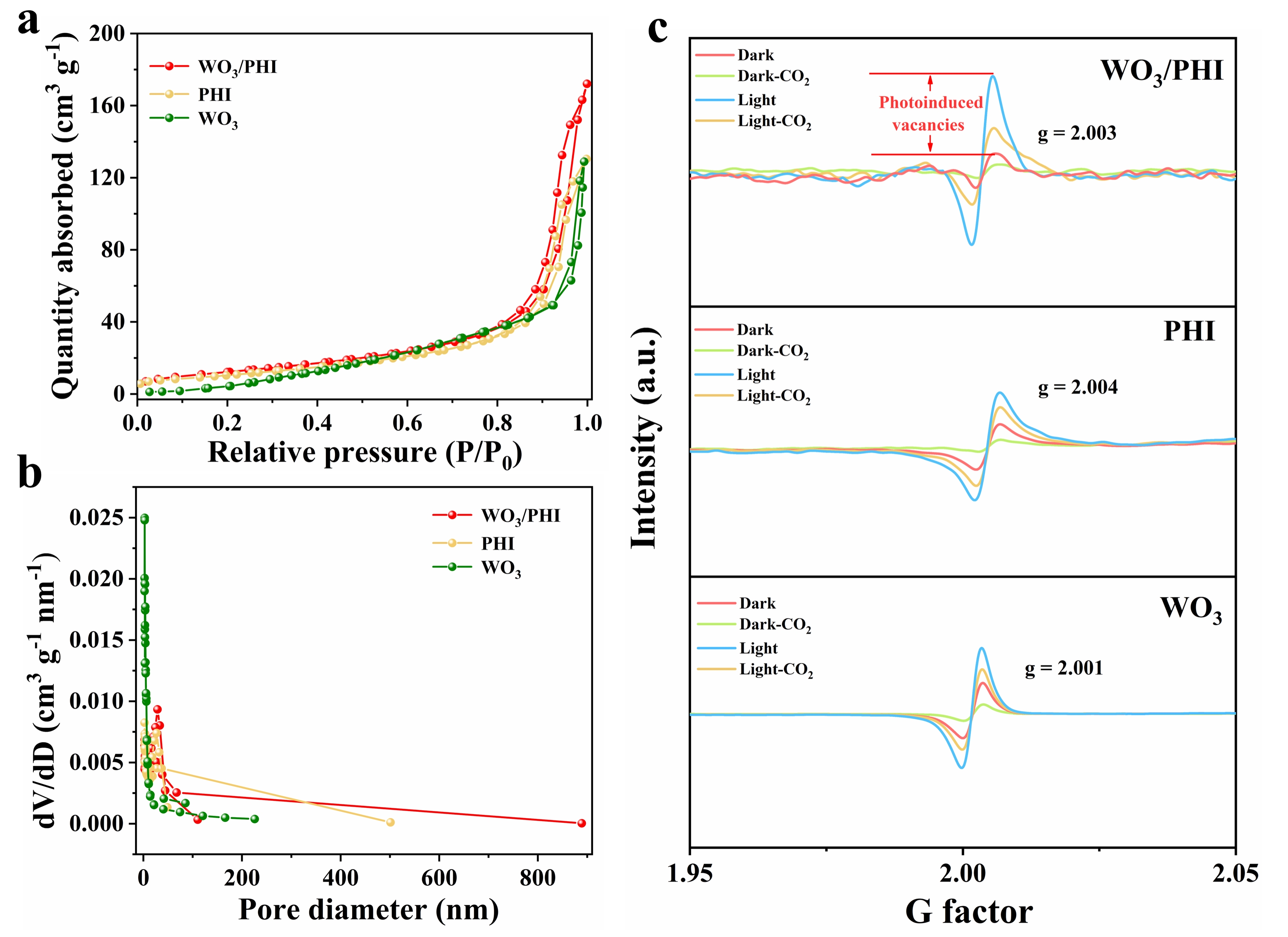
Fig. 9. N2 adsorption-desorption isotherms (a) and pore-size distribution profiles (b) of WO3, PHI and WO3/PHI. (c) EPR spectra of WO3, PHI and WO3/PHI recorded under dark and illuminated conditions in air and CO2 atmospheres.
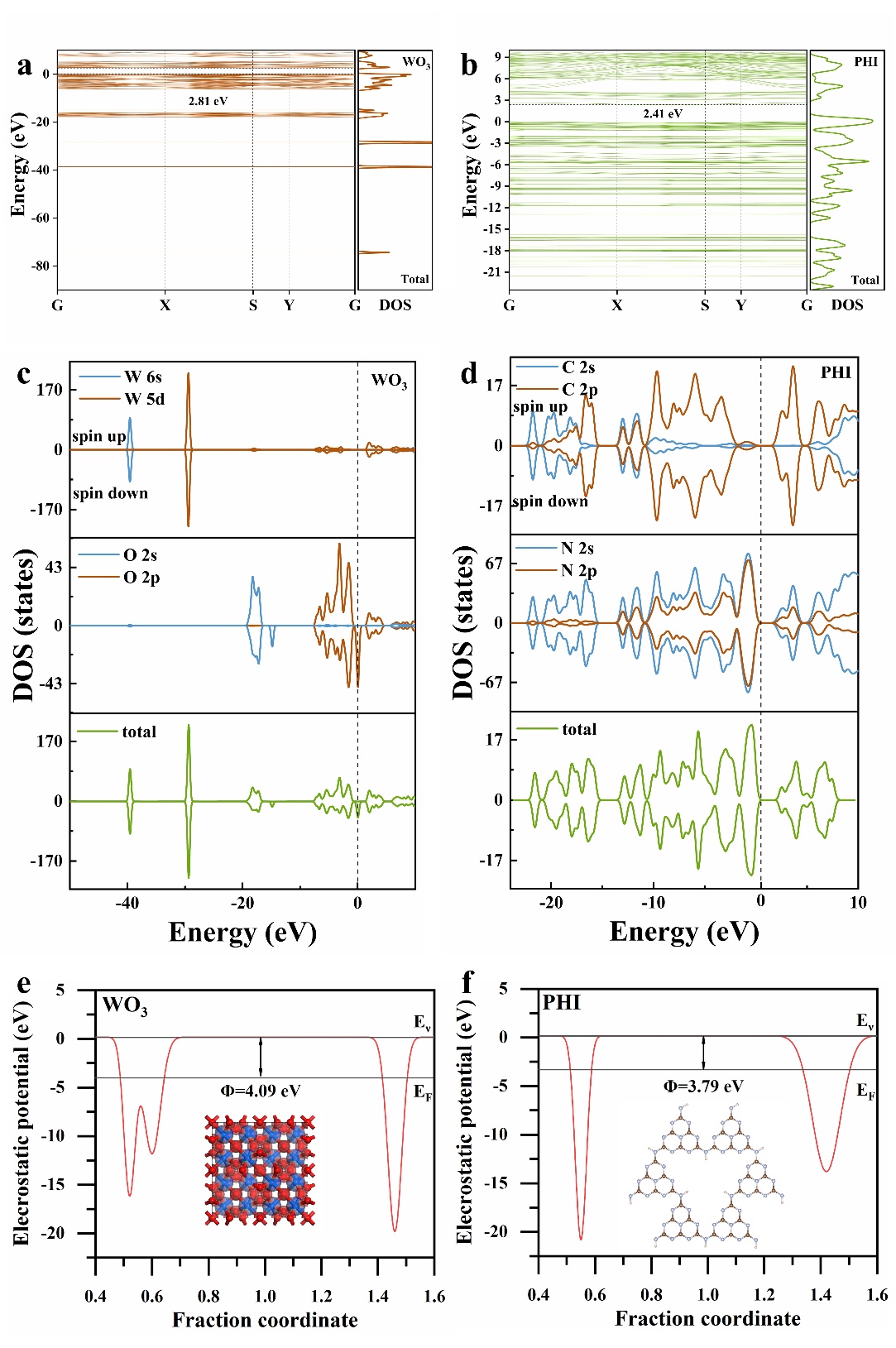
Fig. 10. Band structures of pristine WO3 (a) and PHI (b). DOS of pristine WO3 (c) and PHI (d). Work functions of pristine WO3 (e) and PHI (f).
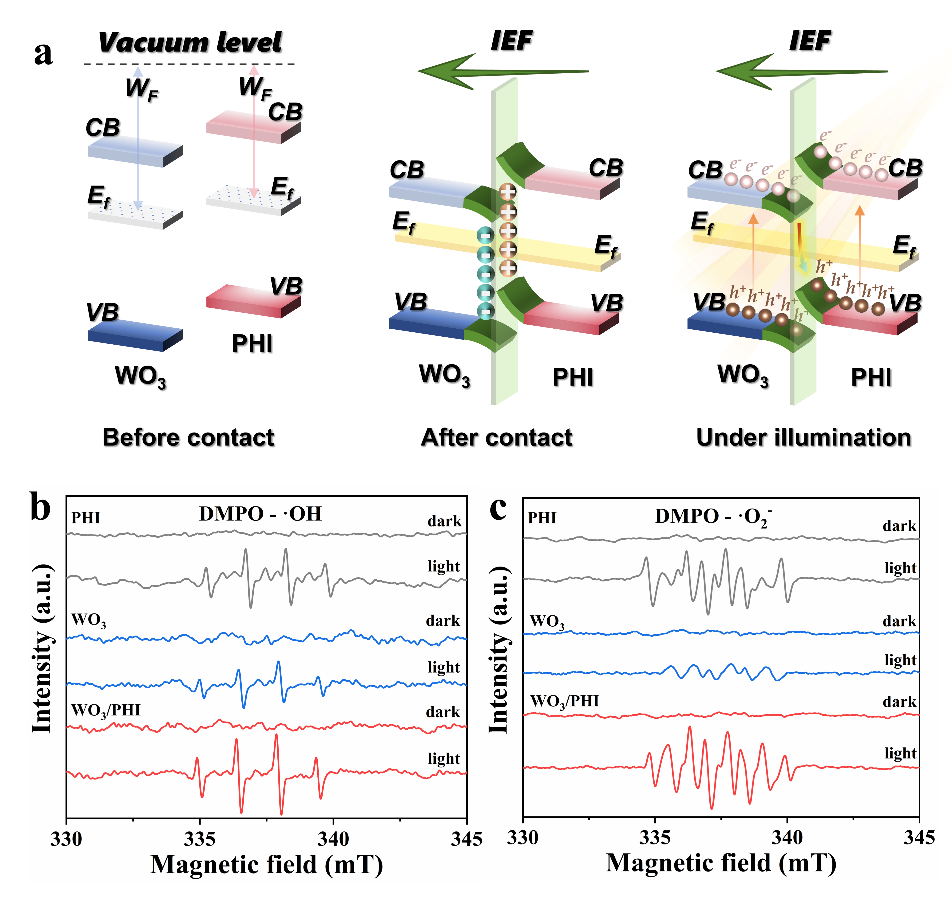
Fig. 11. (a) Schematic illustration of the S-scheme charge-transfer pathway in WO3/PHI. EPR spectra of DMPO-trapped •OH (b) and •O2- (c) radicals for pristine WO3, PHI and WO3/PHI.

Fig. 12. In-situ FTIR spectra of photocatalytic CO2 reduction via WO3/PHI under dark (a,b), and three-dimensional colour-mapped image of photocatalytic CO2 reduction via WO3/PHI under dark (c,d).

Fig. 13. In-situ FTIR spectra of photocatalytic CO2 reduction via WO3/PHI under illumination (a,b), and three-dimensional colour-mapped image of photocatalytic CO2 reduction via WO3/PHI under illumination (c,d).
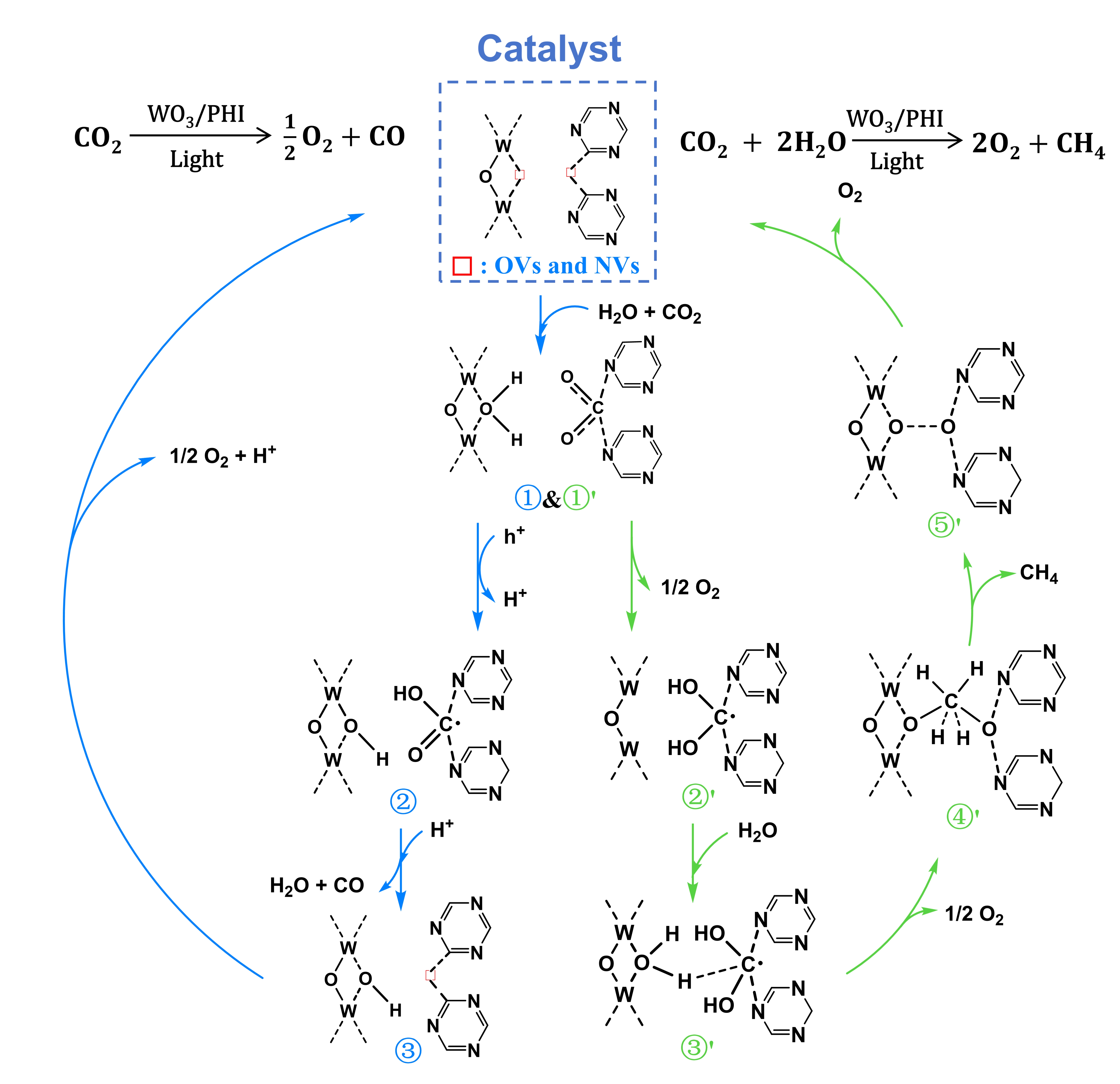
Fig. 14. Proposed mechanism of WO3/PHI for photoreduction CO2.
|
| [1] | Shike Wang, Man Lang, Feng Wang, Pengfei Xia, Dieqing Zhang. Recent advances in g-C3N4-based S-scheme photocatalyst [J]. Chinese Journal of Catalysis, 2027, 92(1): 37-64. |
| [2] | Banghu Wei, Wei Ren, Jinhe Li, Weikang Wang, Qinqin Liu. S-scheme heterojunctions for coupled redox photocatalysis: Orchestrating electron-hole synergy to unlock dual half-reactions [J]. Chinese Journal of Catalysis, 2027, 92(1): 1-36. |
| [3] | Xiaolong Ma, Zhiqiang Wu, Huiqin Yao, Bin Liu, Zhiliang Jin, Paolo Fornasiero. Charging dynamics engineering: Quantum dots-induced full-space electric field cooperative Ag2S QDs/CoWO₄ S-scheme heterojunction boosting photocatalytic hydrogen evolution [J]. Chinese Journal of Catalysis, 2026, 88(9): 233-246. |
| [4] | Yun Huang, Qi Chen, Yueling Chen, Zefeng Yang, Jionghua Wu, Jimmy C. Yu, Ling Wu. Effective generation of active hydrogen species for nitrogen fixation on Pt/DUT-67(Zr) [J]. Chinese Journal of Catalysis, 2026, 88(9): 247-258. |
| [5] | Gaoxiong Liu, Rundong Chen, Bingquan Xia, Xianlong Zhou, Laiquan Li, Shantang Liu. Thiadiazole-functionalized covalent triazine frameworks for constructing S-scheme heterojunctions enabling boosted H2O2 photosynthesis [J]. Chinese Journal of Catalysis, 2026, 87(8): 170-184. |
| [6] | Hao Wu, Xinyu Zeng, Wang Wang, Bei Cheng, Jingzhao Cheng, Jingsan Xu, Shaowen Cao. The organic-inorganic S-scheme heterojunction with enhanced charge separation simultaneously catalyze the production of hydrogen and imine [J]. Chinese Journal of Catalysis, 2026, 87(8): 185-196. |
| [7] | Qi Hao, Qi Tang, Junxiu Wu, Kai Liu, Jun Lu, Tianpin Wu. Neighboring Ni-Cu dual single-atom sites regulate the local environment of interfacial water for promoting CO2 electroreduction kinetics in CO2-to-CO conversion [J]. Chinese Journal of Catalysis, 2026, 87(8): 47-58. |
| [8] | Shijie Li, Rui Li, Yanping Liu, Xin Yu, Deyun Ma, Jianhui Jiang, Xiaosong Zhou, Chunqiang Zhuang, Zaiwang Zhao, Wei Jiang. Augmented reactive oxygen species generation in Ag/AgBr/C3N5 via LSPR-enhanced S-scheme charge transfer for efficient photocatalytic antibiotic wastewater remediation [J]. Chinese Journal of Catalysis, 2026, 87(8): 126-139. |
| [9] | Yatai Zhou, Chengcheng Yuan, Wei Xia, Jun Wang, Xiaofeng Zhu, Yong Zhang, Bicheng Zhu, Jiaguo Yu. Synergistic optimization of interfacial electron transfer and surface hydrogen adsorption in a CdS/ZnO S-scheme heterojunction by site-specific doping: A DFT study [J]. Chinese Journal of Catalysis, 2026, 86(7): 327-337. |
| [10] | Ping Li, Liang Wei, Wei Xia, Chengcheng Yuan, Chenbin Ai, Meng Li. Ultrafast electron transfer in 2D/2D g-C3N4/WO3 S-scheme heterojunctions for enhanced H2O2 production [J]. Chinese Journal of Catalysis, 2026, 85(6): 333-345. |
| [11] | Zheguan Lin, Shuyi He, Tiesen Li, Qingyan Cui, Wenfu Yan, Yuanyuan Yue. Design of interface structure to enhance the operational temperature range of CuO/Cu-SSZ-13 for concurrent NOx selective catalytic reduction and CO oxidation [J]. Chinese Journal of Catalysis, 2026, 85(6): 286-297. |
| [12] | Jintao Dong, Rui Zhang, Zhishuai Wang, Shengqun Cao, Lina Li, Gaopeng Liu, Bin Wang, Yixuan Gao, Jiexiang Xia. Construction of S-scheme MnO2/BiOCl heterojunction boosting photocatalytic low-concentration peroxymonosulfate activation for contaminants removal [J]. Chinese Journal of Catalysis, 2026, 85(6): 310-321. |
| [13] | Ziyi Liao, Lan Jiang, Yang Yang, Lin Wang, Weiyou Yang, Huilin Hou. Alkali-cyano dual-tailored g-C3N4/BiOCl S-scheme heterojunctions for highly efficient visible-light-driven H2O2 photosynthesis in pure water [J]. Chinese Journal of Catalysis, 2026, 83(4): 143-161. |
| [14] | Xin Liu, Yezhou Yang, Jingru Yang, Maodi Wang, Qihua Yang. Promotion effect of Fe in the selective hydrogenation of furfural with bimetallic NiFe catalysts [J]. Chinese Journal of Catalysis, 2026, 83(4): 411-418. |
| [15] | R. Kavitha, C. Manjunatha, S. Girish Kumar. ZnO-based S-scheme heterojunction: Design principles, preparation methods and photocatalytic activity [J]. Chinese Journal of Catalysis, 2026, 83(4): 54-95. |
| Viewed | ||||||
|
Full text |
|
|||||
|
Abstract |
|
|||||


