
Chinese Journal of Catalysis ›› 2026, Vol. 88: 468-477.DOI: 10.1016/S1872-2067(26)65117-0
• Articles • Previous Articles Next Articles
Vladimir I. Kurganskiia, Dmitry P. Lubova, Alexander G. Medvedevb, Ruihu Wangc, Konstantin P. Bryliakova,*( )
)
Received:2026-02-20
Accepted:2026-03-22
Online:2026-09-18
Published:2026-07-18
Vladimir I. Kurganskii, Dmitry P. Lubov, Alexander G. Medvedev, Ruihu Wang, Konstantin P. Bryliakov. Bioinspired asymmetric syn-hydroxyazidation of electron-deficient olefins in the presence of nonheme Mn complexes[J]. Chinese Journal of Catalysis, 2026, 88: 468-477.
Add to citation manager EndNote|Ris|BibTeX
URL: https://www.cjcatal.com/EN/10.1016/S1872-2067(26)65117-0
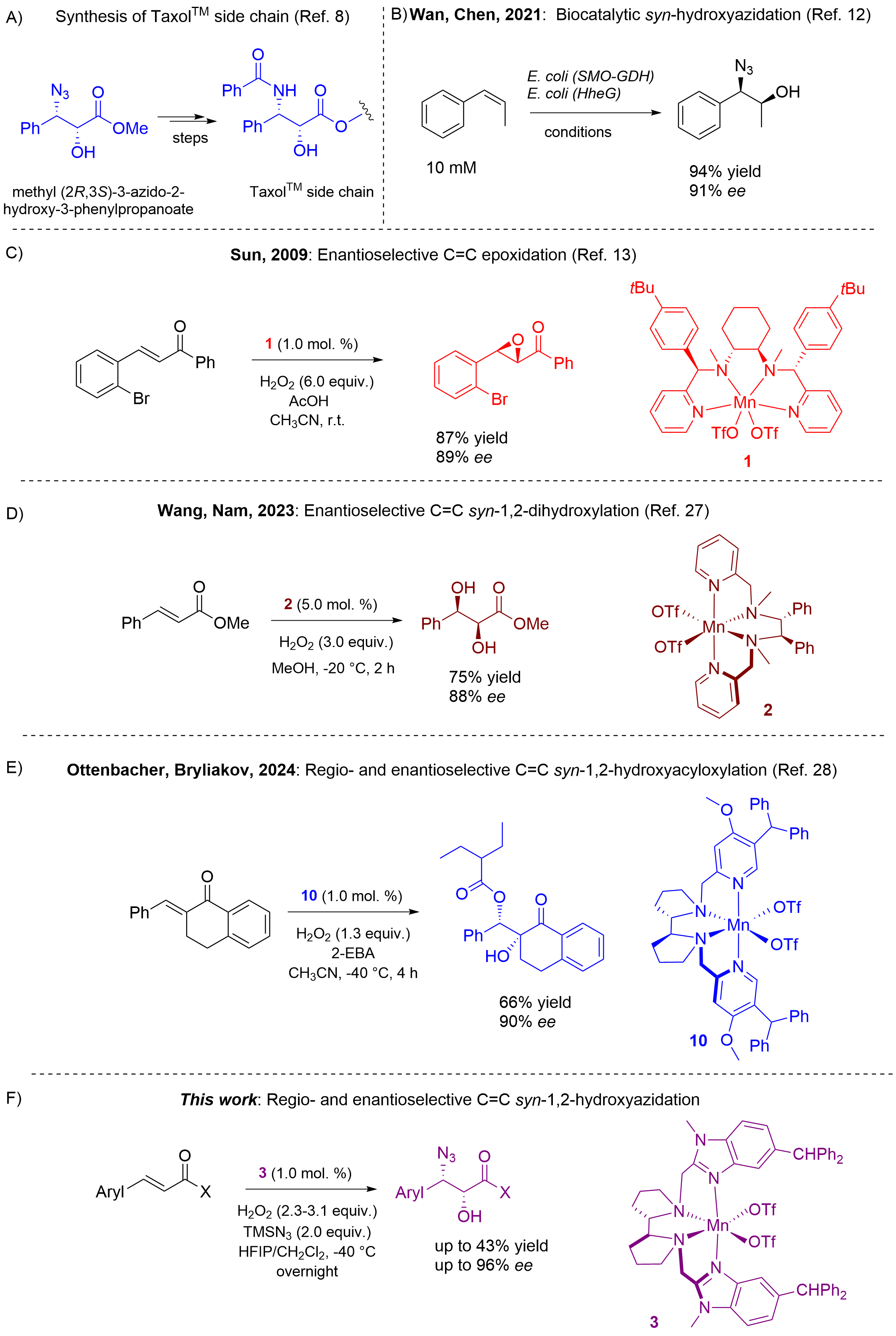
Chart 1. Research background for the present work. OTf: trifluoromethanesulfonate; 2-EBA: 2-ethylbutyric acid; HFIP: hexafluoroisopropanol.
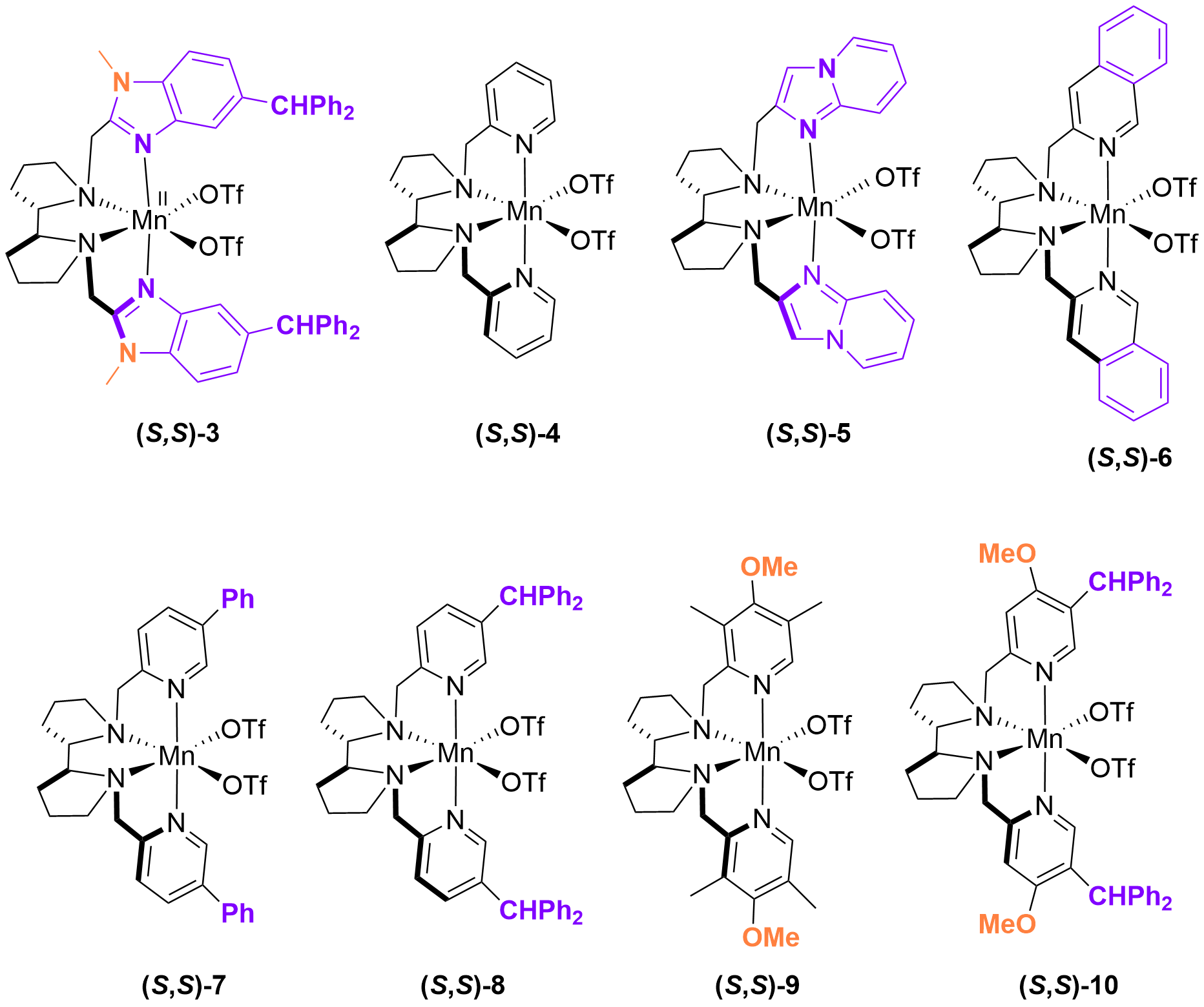
Chart 2. The Mn complexes discussed in this work (only (S,S)-enantiomers shown).
| No | Mn cat. | H2O2 (equiv.) | TMSN3 (equiv.) | T, °C | Solvent v/v | Conv., % b | Yield, %b 12a:13a | 12a ee, %c | 13a ee, %c |
|---|---|---|---|---|---|---|---|---|---|
| 1 | (S,S)-4 | 2.3 | 2.0 | ‒20 | HFIP:CH2Cl2 (2:1) | 48 | 30:10 | 38 | 34 |
| 2 | (S,S)-5 | 2.3 | 2.0 | ‒20 | HFIP:CH2Cl2 (2:1) | 40 | 29:11 | 29 | 23 |
| 3 | (S,S)-6 | 2.3 | 2.0 | ‒20 | HFIP:CH2Cl2 (2:1) | 100 | 85:12 | 28 | 7 |
| 4 | (S,S)-7 | 2.3 | 2.0 | ‒20 | HFIP:CH2Cl2 (2:1) | 89 | 60:17 | 20 | 39 |
| 5 | (S,S)-8 | 2.3 | 2.0 | ‒20 | HFIP:CH2Cl2 (2:1) | 73 | 56:14 | 17 | 67 |
| 6 | (S,S)-9 | 2.3 | 2.0 | ‒20 | HFIP:CH2Cl2 (2:1) | 100 | 84:12 | 43 | 29 |
| 7 | (S,S)-10 | 2.3 | 2.0 | ‒20 | HFIP:CH2Cl2 (2:1) | 96 | 54:37 | ‒50 | 93 |
| 8 | (S,S)-3 | 2.3 | 2.0 | ‒20 | HFIP:CH2Cl2 (2:1) | 92 | 52:37 | 32 | 90 |
| 9 | (S,S)-10 | 2.3 | 2.0 | ‒20 | TFE:CH2Cl2 (2:1) | 90 | 44:31 | ‒53 | 75 |
| 10 | (S,S)-10 | 2.3 | 2.0 | ‒20 | DFE:CH2Cl2 (2:1) | 94 | 51:27 | ‒53 | 77 |
| 11 | (S,S)-10 | 2.3 | 2.0 | ‒20 | NFTB:CH2Cl2 (2:1) | 4 | 2.4:1.3 | ‒37 | 94 |
| 12 | (S,S)-10 | 2.3 | 2.0 | ‒20 | HFIP:CH2Cl2 (1:2) | 97 | 42:26 | ‒45 | 92 |
| 13 | (S,S)-10 | 2.3 | 2.0 | ‒20 | HFIP:CH3CN (1:2) | 80 | 30:34 | ‒60 | 83 |
| 14 | (S,S)-10 | 2.3 | 2.0 | ‒20 | TFE:CH3CN (1:4) | 71 | 13:43 | ‒38 | 50 |
| 15 | (S,S)-10 | 2.3 | 2.0 | ‒20 | NFTB:CH3CN (1:2) | 27 | 12:13 | ‒53 | 89 |
| 16 | (S,S)-10 | 2.3 | none | ‒20 | TFE:CH2Cl2 (2:1) | 37 | 25:0 | ‒22 | ‒ |
| 17 | (S,S)-10 | 2.3 | 1.0 d | ‒20 | TFE:CH2Cl2 (2:1) | 97 | 61:0 | 4 | ‒ |
| 18 | (S,S)-10 | 2.3 | 0.5 | ‒20 | HFIP:CH2Cl2 (2:1) | 71 | 53:16 | ‒14 | 93 |
| 19 | (S,S)-10 | 2.3 | 1.0 | ‒20 | HFIP:CH2Cl2 (2:1) | 84 | 54:26 | ‒34 | 93 |
| 20 | (S,S)-10 | 2.3 | 1.5 | ‒20 | HFIP:CH2Cl2 (2:1) | 95 | 58:33 | ‒43 | 91 |
| 21 | (S,S)-10 | 2.3 | 3.0 | ‒20 | HFIP:CH2Cl2 (2:1) | 95 | 52:39 | ‒55 | 92 |
| 22 | (S,S)-10 | 2.3 | 2.0 | ‒30 | HFIP:CH2Cl2 (2:1) | 99e | 59:37 | ‒51 | 95 |
| 23 | (S,S)-10 | 2.3 | 2.0 | ‒40 | HFIP:CH2Cl2 (2:1) | 99f | 63:33 | ‒60 | 96 |
| 24 | (S,S)-3 | 2.3 | 2.0 | ‒40 | HFIP:CH2Cl2 (2:1) | 99 g | 42:40 | 23 | 96 |
Table 1 Mn-catalyzed oxidation of ethylbenzene with H2O2 in the presence of TMSN3 a.
| No | Mn cat. | H2O2 (equiv.) | TMSN3 (equiv.) | T, °C | Solvent v/v | Conv., % b | Yield, %b 12a:13a | 12a ee, %c | 13a ee, %c |
|---|---|---|---|---|---|---|---|---|---|
| 1 | (S,S)-4 | 2.3 | 2.0 | ‒20 | HFIP:CH2Cl2 (2:1) | 48 | 30:10 | 38 | 34 |
| 2 | (S,S)-5 | 2.3 | 2.0 | ‒20 | HFIP:CH2Cl2 (2:1) | 40 | 29:11 | 29 | 23 |
| 3 | (S,S)-6 | 2.3 | 2.0 | ‒20 | HFIP:CH2Cl2 (2:1) | 100 | 85:12 | 28 | 7 |
| 4 | (S,S)-7 | 2.3 | 2.0 | ‒20 | HFIP:CH2Cl2 (2:1) | 89 | 60:17 | 20 | 39 |
| 5 | (S,S)-8 | 2.3 | 2.0 | ‒20 | HFIP:CH2Cl2 (2:1) | 73 | 56:14 | 17 | 67 |
| 6 | (S,S)-9 | 2.3 | 2.0 | ‒20 | HFIP:CH2Cl2 (2:1) | 100 | 84:12 | 43 | 29 |
| 7 | (S,S)-10 | 2.3 | 2.0 | ‒20 | HFIP:CH2Cl2 (2:1) | 96 | 54:37 | ‒50 | 93 |
| 8 | (S,S)-3 | 2.3 | 2.0 | ‒20 | HFIP:CH2Cl2 (2:1) | 92 | 52:37 | 32 | 90 |
| 9 | (S,S)-10 | 2.3 | 2.0 | ‒20 | TFE:CH2Cl2 (2:1) | 90 | 44:31 | ‒53 | 75 |
| 10 | (S,S)-10 | 2.3 | 2.0 | ‒20 | DFE:CH2Cl2 (2:1) | 94 | 51:27 | ‒53 | 77 |
| 11 | (S,S)-10 | 2.3 | 2.0 | ‒20 | NFTB:CH2Cl2 (2:1) | 4 | 2.4:1.3 | ‒37 | 94 |
| 12 | (S,S)-10 | 2.3 | 2.0 | ‒20 | HFIP:CH2Cl2 (1:2) | 97 | 42:26 | ‒45 | 92 |
| 13 | (S,S)-10 | 2.3 | 2.0 | ‒20 | HFIP:CH3CN (1:2) | 80 | 30:34 | ‒60 | 83 |
| 14 | (S,S)-10 | 2.3 | 2.0 | ‒20 | TFE:CH3CN (1:4) | 71 | 13:43 | ‒38 | 50 |
| 15 | (S,S)-10 | 2.3 | 2.0 | ‒20 | NFTB:CH3CN (1:2) | 27 | 12:13 | ‒53 | 89 |
| 16 | (S,S)-10 | 2.3 | none | ‒20 | TFE:CH2Cl2 (2:1) | 37 | 25:0 | ‒22 | ‒ |
| 17 | (S,S)-10 | 2.3 | 1.0 d | ‒20 | TFE:CH2Cl2 (2:1) | 97 | 61:0 | 4 | ‒ |
| 18 | (S,S)-10 | 2.3 | 0.5 | ‒20 | HFIP:CH2Cl2 (2:1) | 71 | 53:16 | ‒14 | 93 |
| 19 | (S,S)-10 | 2.3 | 1.0 | ‒20 | HFIP:CH2Cl2 (2:1) | 84 | 54:26 | ‒34 | 93 |
| 20 | (S,S)-10 | 2.3 | 1.5 | ‒20 | HFIP:CH2Cl2 (2:1) | 95 | 58:33 | ‒43 | 91 |
| 21 | (S,S)-10 | 2.3 | 3.0 | ‒20 | HFIP:CH2Cl2 (2:1) | 95 | 52:39 | ‒55 | 92 |
| 22 | (S,S)-10 | 2.3 | 2.0 | ‒30 | HFIP:CH2Cl2 (2:1) | 99e | 59:37 | ‒51 | 95 |
| 23 | (S,S)-10 | 2.3 | 2.0 | ‒40 | HFIP:CH2Cl2 (2:1) | 99f | 63:33 | ‒60 | 96 |
| 24 | (S,S)-3 | 2.3 | 2.0 | ‒40 | HFIP:CH2Cl2 (2:1) | 99 g | 42:40 | 23 | 96 |

Fig. 1. Time profiles of chalcone oxidation with H2O2 (2.3 equiv.) in HFIP:CH2Cl2 (2:1 v/v) in the presence of (S,S)-10 (1 mol%) and TMSN3 (2 equiv.) at ?20 °C. Relative concentrations: substrate (11a) black, epoxide (12a) blue, hydroxy azide (13a) olive. Enantiomeric excess: epoxide (ee of 12a) red, hydroxy azide (ee of 13a) orange.
| No | Substrate | Catalyst | Hydroxyl-azide product | Yield, % b 12/13 | 13a ee, % (config.) b,c |
|---|---|---|---|---|---|
| 1 | 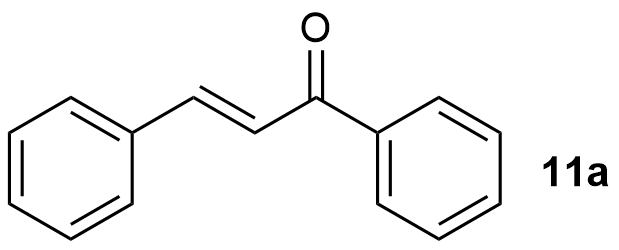 | (S,S)-10 d | 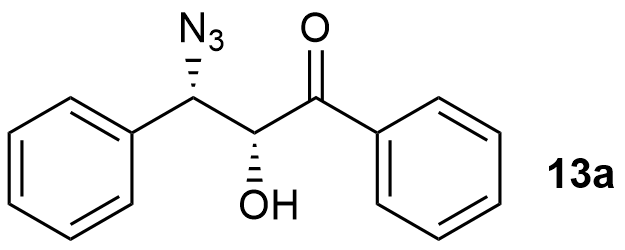 | 33/23 | 93 (2R,3S) |
| 2 | 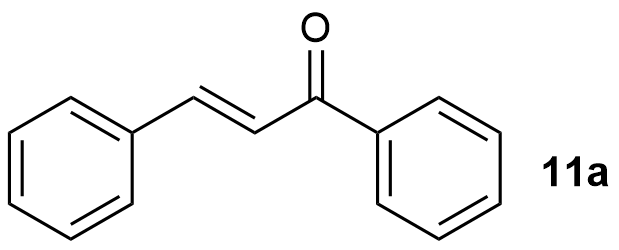 | (R,R)-3 d | 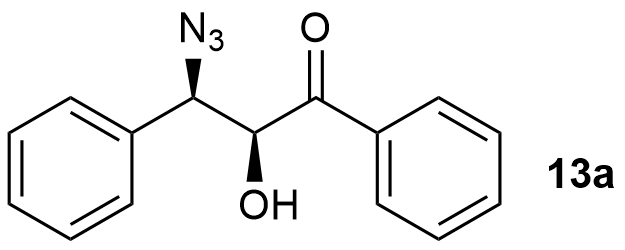 | 44/30 | 89 (2S,3R) |
| 3 | 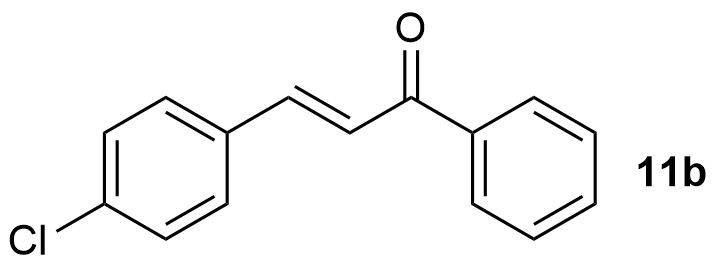 | (R,R)-3 | 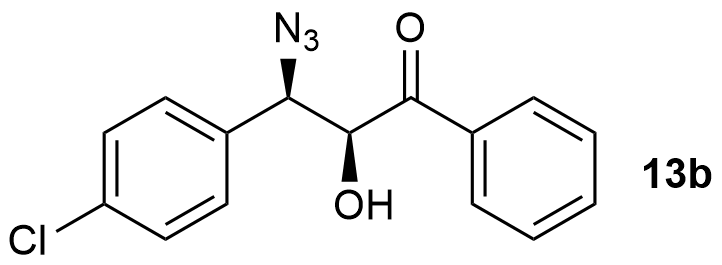 | 51/29 | 88 (2S,3R) |
| 4 | 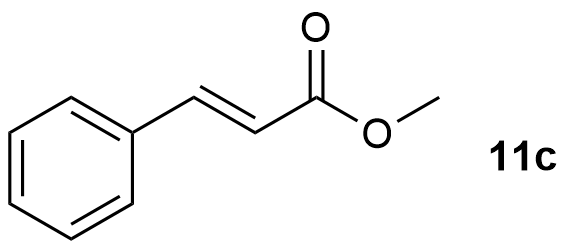 | (R,R)-3 | 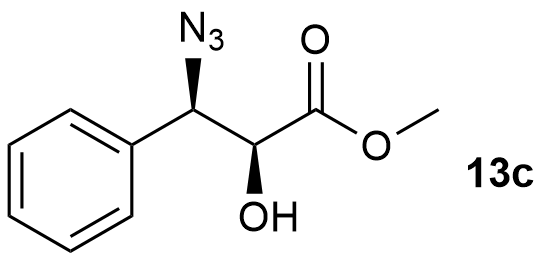 | 42/32 | 80 (2S,3R) |
| 5 | 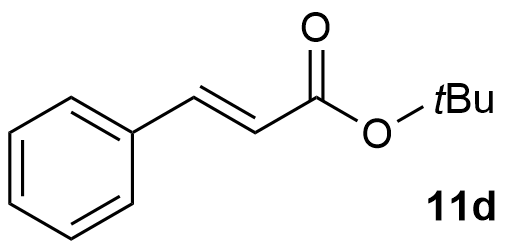 | (S,S)-3 | 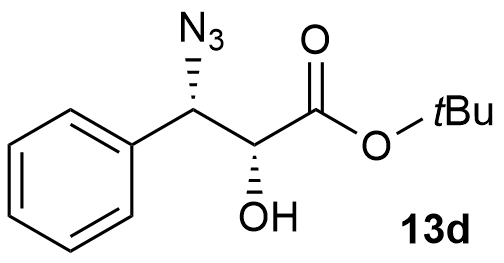 | 30/20 | 84 (2R,3S) |
| 6 | 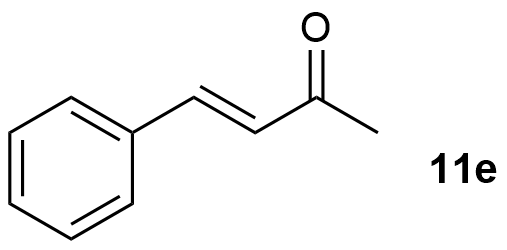 | (S,S)-3 | 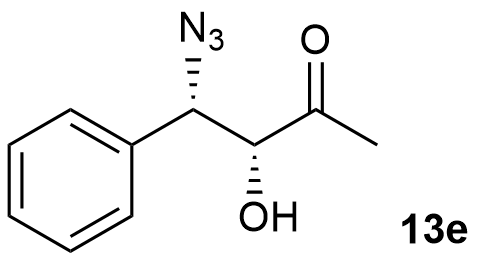 | ‒e/27 | 43 (3R,4S)f |
| 7 | 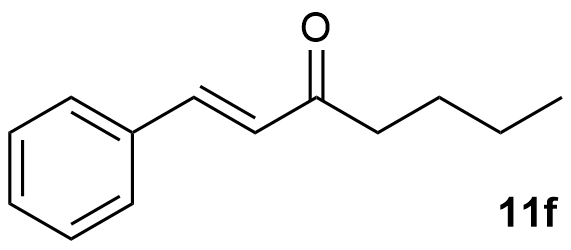 | (S,S)-3 | 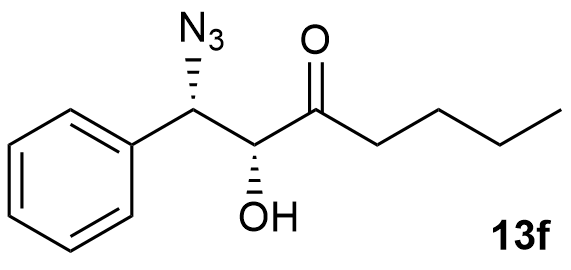 | 40/32 | 73 (1S,2R)f |
| 8 | 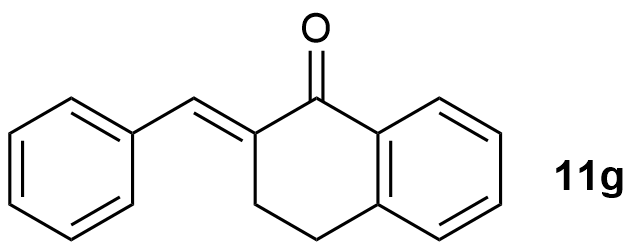 | (R,R)-10g | 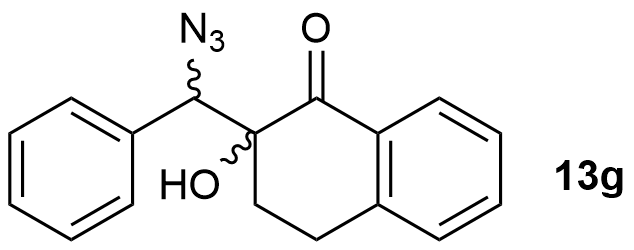 | 12/14 | 85 h |
| 9 | 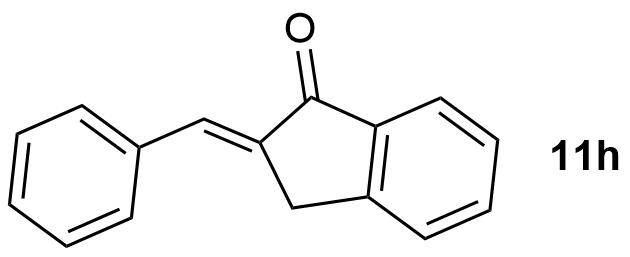 | (R,R)-10 | 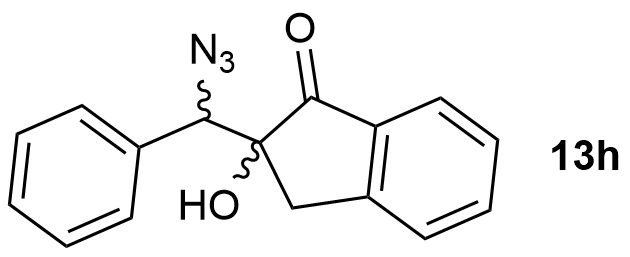 | 40/18 | 79 h |
| 10 | 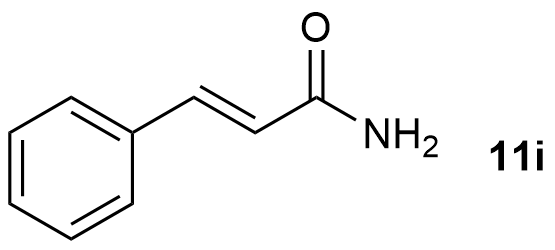 | (S,S)-3 | 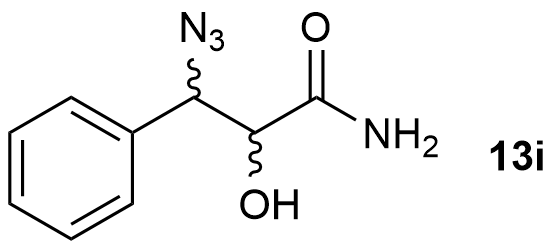 | 55/14 i | — e |
| 11 | 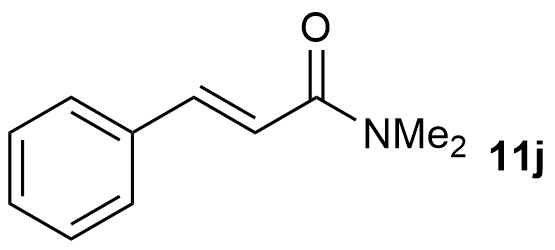 | (S,S)-3 | 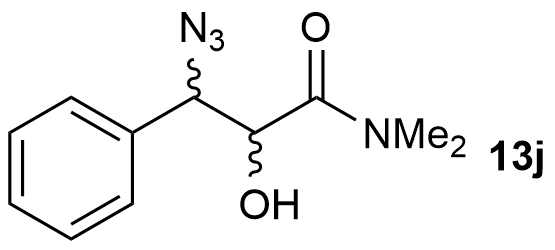 | 71/19 i | — e |
| 12 | 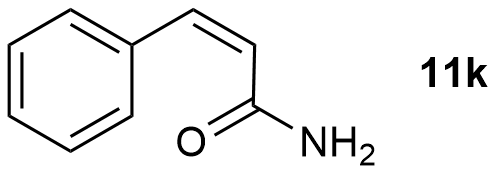 | (S,S)-3 | 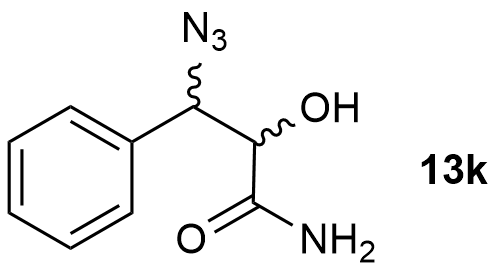 | 31/32 i | 63 h |
| 13 | 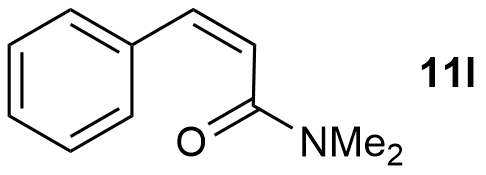 | (S,S)-3 | 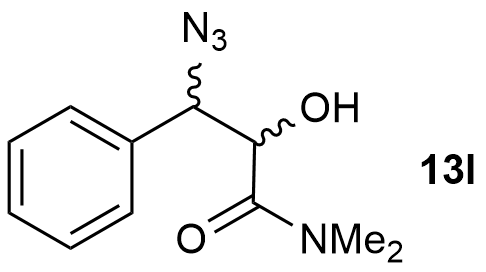 | 26/34 i | 87 h |
| 14 | 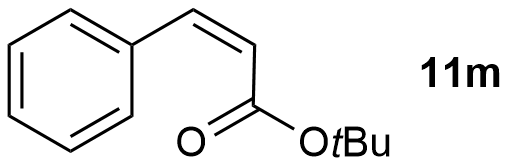 | (S,S)-3 | 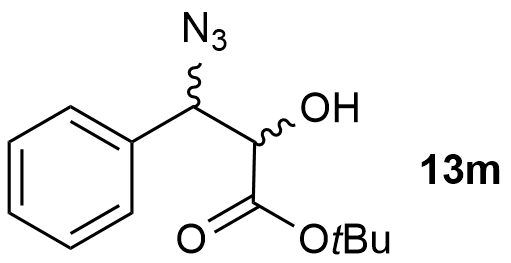 | 32/26 | 61 h |
| 15 | 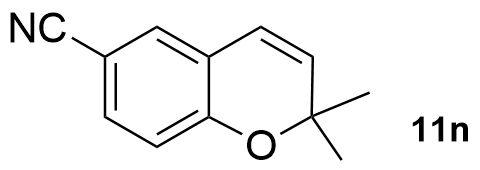 | (R,R)-3 | 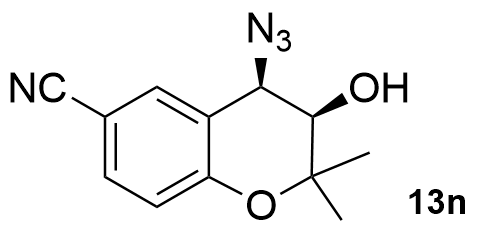 | ‒e/36 | 26 h |
Table 2 Asymmetric oxidation of various substrates in the presence of Mn complexes a.
| No | Substrate | Catalyst | Hydroxyl-azide product | Yield, % b 12/13 | 13a ee, % (config.) b,c |
|---|---|---|---|---|---|
| 1 | | (S,S)-10 d | | 33/23 | 93 (2R,3S) |
| 2 | | (R,R)-3 d | | 44/30 | 89 (2S,3R) |
| 3 | | (R,R)-3 | | 51/29 | 88 (2S,3R) |
| 4 | | (R,R)-3 | | 42/32 | 80 (2S,3R) |
| 5 | | (S,S)-3 | | 30/20 | 84 (2R,3S) |
| 6 | | (S,S)-3 | | ‒e/27 | 43 (3R,4S)f |
| 7 | | (S,S)-3 | | 40/32 | 73 (1S,2R)f |
| 8 | | (R,R)-10g | | 12/14 | 85 h |
| 9 | | (R,R)-10 | | 40/18 | 79 h |
| 10 | | (S,S)-3 | | 55/14 i | — e |
| 11 | | (S,S)-3 | | 71/19 i | — e |
| 12 | | (S,S)-3 | | 31/32 i | 63 h |
| 13 | | (S,S)-3 | | 26/34 i | 87 h |
| 14 | | (S,S)-3 | | 32/26 | 61 h |
| 15 | | (R,R)-3 | | ‒e/36 | 26 h |

Fig. 2. X-ray molecular crystal structure of the hydroxyl azide 13b. Ellipsoids are drawn at the 50% probability level. C gray, O red, H light gray.

Scheme 1. Proposed mechanisms of 2,3-hydroxy acyloxylation (top, cf. Ref. [28]) and 2,3-hydroxy azidation (bottom).

Fig. 3. Hammett plots of Log{(100+ee)/(100?ee)} vs. σ+p for the hydroxyazidation of p-substituted chalcones by the systems 8/TMSN3/H2O2 (A) and 10/ TMSN3/H2O2 (B).

Scheme 2. Examples of semi-preparative syntheses of chiral syn (A) and anti (B) 2-hydroxy-3-azides using bioinspired Mn complexes as catalysts.
|
| [1] | Jiayu Zhang, Kun Wang, Jinglu Yu, Kaiyang Xu, Lu Yang, Jiali Rao, Shuqin Song, Yi Wang. Modulating active sites via Mn-doping in NiCo LDH for energy-saving paired electrosynthesis of H2O2 and formate [J]. Chinese Journal of Catalysis, 2026, 88(9): 307-321. |
| [2] | Songling Wang, Anhua Huang, Fengxing Yin, Ruixiang Lu, Wengang Liu, Yun Zhang, Botao Qiao. In-situ synthesis of hydrogen peroxide for highly selective oxidation of methane to methanol over noble-metal-free catalyst [J]. Chinese Journal of Catalysis, 2026, 88(9): 347-355. |
| [3] | Shufang Liu, Fengyu Chen, Siyuan Li, Yu-Xin Ye, Gangfeng Ouyang. Recent advances in oxygen-centered organic radicals: Characterization, synthesis, and applications [J]. Chinese Journal of Catalysis, 2026, 88(9): 183-206. |
| [4] | Fengjuan Guo, Chunyao Ma, Yue Huang, Sitong Hang, Junwei Ma, Hongtao Gao. Unveiling the dominant distal-alternating hybrid mechanism in B-modulated Mo2TiC2Tx/MoO2 MXene for highly selective ambient NRR [J]. Chinese Journal of Catalysis, 2026, 87(8): 269-281. |
| [5] | Zhaochun He, Chunli Liu, Yonghua Liu, Tao Wang. Boosting homogeneous ammonia synthesis by balancing N≡N activation and N-H formation [J]. Chinese Journal of Catalysis, 2026, 87(8): 316-326. |
| [6] | Sen Wang, Shiying Li, Rui Geng, Bo Zhou, Pengfei Wang, Zhangfeng Qin, Mei Dong, Jianguo Wang, Unni Olsbye, Weibin Fan. The smallest Ni species triggering selective hydrogenation of CO2 to methane: Ni dimer embedded in MFI and enhancement of MnOx [J]. Chinese Journal of Catalysis, 2026, 87(8): 113-125. |
| [7] | Yang Ding, Yizhen Lu, Tianrong Yu, Mingrui Zhang, Rui Zhao, Ruijie Yang, Qixin Li, Shiqun Wu, Jinlong Zhang. Dual pathways in photo-driven Fischer-Tropsch synthesis for high selective hydrocarbon production [J]. Chinese Journal of Catalysis, 2026, 87(8): 22-46. |
| [8] | Hanxi Li, Zhendong Luo, Qiang Xue, Yunfei Zhi, Jun Du, Xukai Zhou. Engineering channel microenvironment and charge dynamics in covalent organic frameworks through linkage-specific povarov cyclization for enhanced photocatalytic hydrogen evolution [J]. Chinese Journal of Catalysis, 2026, 86(7): 363-374. |
| [9] | Qiurong Wang, Fozia Sultana, Renkun Li, Yan Fang, Selvi Mushina, Mingwu Tan, Tongtong Li, Renhong Li. Chromium-driven lattice oxygen activation in high-entropy oxide for efficient oxygen evolution reaction [J]. Chinese Journal of Catalysis, 2026, 86(7): 277-289. |
| [10] | Shahla Karimi, Mehran Rezaei, Jiguang Deng, Hongxing Dai, Ali Rastegarpanah. Recent advances in noble metal-based catalysts for methane decomposition: Performance, mechanism, and optimization [J]. Chinese Journal of Catalysis, 2026, 86(7): 9-48. |
| [11] | Jiaying Liu, Yu Fang. Unraveling structure-activity relationships in 2-D covalent organic frameworks for photocatalysis: From molecular engineering to high-performance optimization [J]. Chinese Journal of Catalysis, 2026, 85(6): 47-87. |
| [12] | Qianqian Xu, Haihong Zhong, Chunli Li, Rong Jiang, Yongjun Feng, Luis Alberto Estudillo-Wong. O-bridged NiSe2/CQDs composite synergistically triggers interfacial electrons transfer to promote H2O2 electrosynthesis [J]. Chinese Journal of Catalysis, 2026, 85(6): 258-271. |
| [13] | Peixin Zhu, Mengyao Xiao, Xixi Chen, Jingsong Luo, Zhong Fang, Long Chen, Huinan Zhao, Chun He, Shuanghong Tian. Microstructure modulation of α-MnO2 via mild urea-induced phase transition for enhanced catalytic ozonation of emerging contaminants [J]. Chinese Journal of Catalysis, 2026, 84(5): 175-188. |
| [14] | Ran Sun, Yuqi Zhang, Kunge Hou, Yujie Tan, Xingang Liu, Jianyuan Hou, Weixuan Zhao, Andrew E. H. Wheatley, Renxi Zhang. Designing hydrogen-bonds in covalent organic frameworks: accelerating proton-coupled electron transfer for enhanced photocatalytic H2O2 synthesis [J]. Chinese Journal of Catalysis, 2026, 84(5): 274-287. |
| [15] | Jingyao Wu, Yujing Lv, Qiang Zhao, Shuo Wang, Ying Wang, Na Wen, Zhengxin Ding, Zizhong Zhang, Jinlin Long. Electron-proton duet in covalent organic frameworks for efficient direct oxygen reduction to hydrogen peroxide [J]. Chinese Journal of Catalysis, 2026, 84(5): 288-300. |
| Viewed | ||||||
|
Full text |
|
|||||
|
Abstract |
|
|||||


