
Chinese Journal of Catalysis ›› 2027, Vol. 92: 340-354.DOI: 10.1016/S1872-2067(26)65267-9
• Articles • Previous Articles Next Articles
Yong Lia,b( ), Yifan Liub, Cui Qiaob, Mengqian Fub, Zifeng Yangb,*(), Yunong Lib,*(), Suojiang Zhangb,*()
Received:2026-04-09
Accepted:2026-06-17
Online:2027-01-02
Published:2026-10-30
Contact:
*E-mail: sjzhang@ipe.ac.cn (S. Zhang),About author:First author contact: Yong Li: Methodology, Validation, Formal analysis, Investigation, Data curation, Writing-original draft, Writing-review & editing, Visualization. Yifan Liu: Methodology, Formal analysis, Software. Cui Qiao: Investigation, Data curation. Mengqian Fu: Formal analysis, Methodology, Investigation. Zifeng Yang: Methodology, Supervision, Funding acquisition. Yunong Li: Conceptualization, Methodology, Data curation, Writing-review & editing, Resources, Funding Acquisition, Supervision. Suojiang Zhang: Visualization, Software, Project administration, Funding acquisition.
Supported by:Yong Li, Yifan Liu, Cui Qiao, Mengqian Fu, Zifeng Yang, Yunong Li, Suojiang Zhang. Poly(ionic liquid)-directed pyrrolic-N-rich carbon for trace-Pd anchoring toward self-optimizing CO2-to-DMC electrocatalysis[J]. Chinese Journal of Catalysis, 2027, 92: 340-354.
Add to citation manager EndNote|Ris|BibTeX
URL: https://www.cjcatal.com/EN/10.1016/S1872-2067(26)65267-9
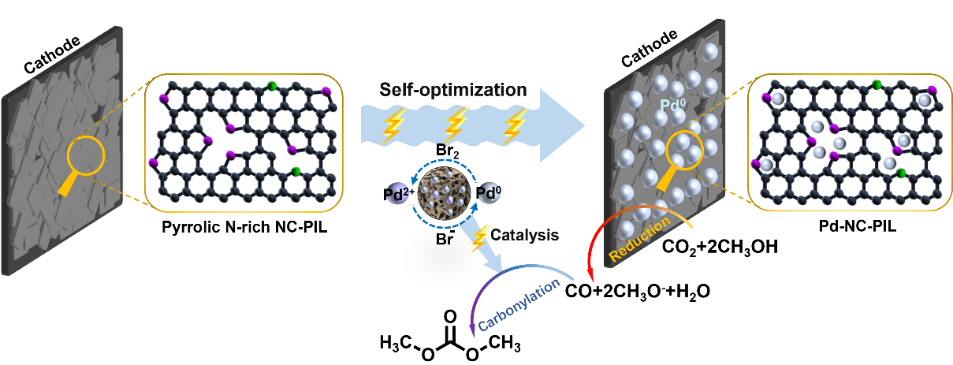
Fig. 1. Schematic illustration of the self-optimizing CO2-to-DMC electrocatalytic system enabled by in-situ Pd capture and pyrrolic-N sites.
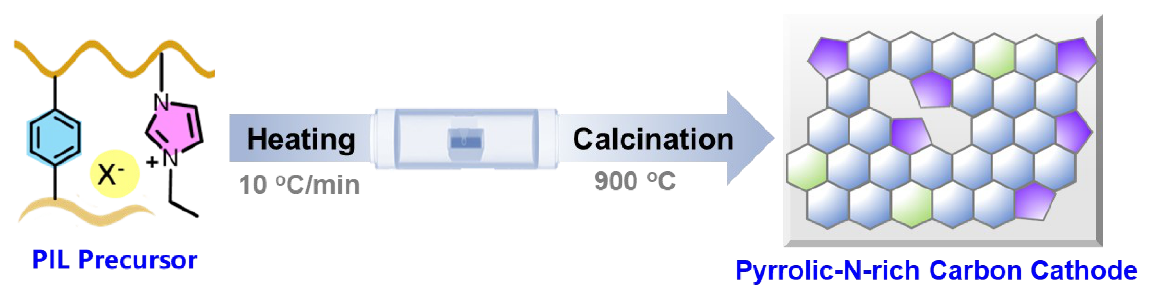
Fig. 2. Synthetic procedure for the NC-PILs material.
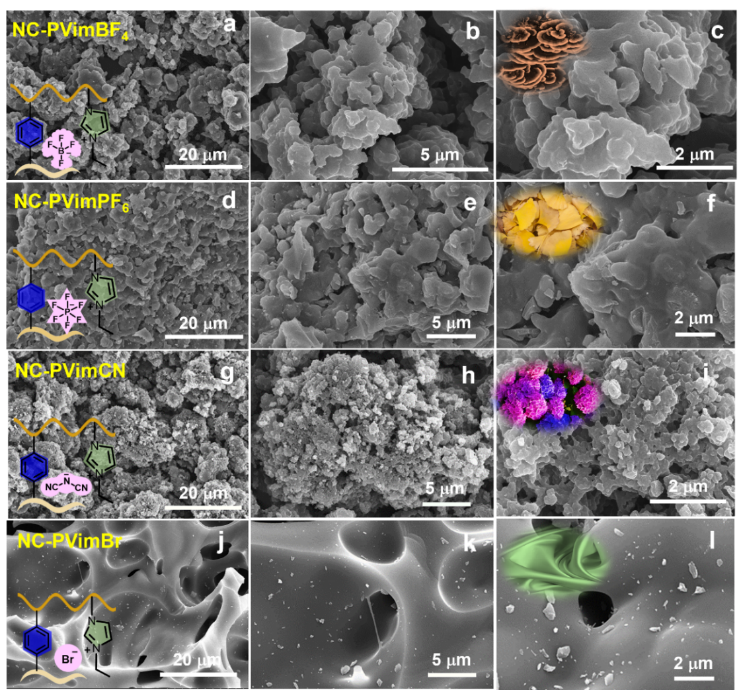
Fig. 3. SEM images of NC-PVimBF4 (a‒c), NC-PVimPF6 (d‒f), NC-PVimCN (g‒i), and NC-PVimBr (j‒l).
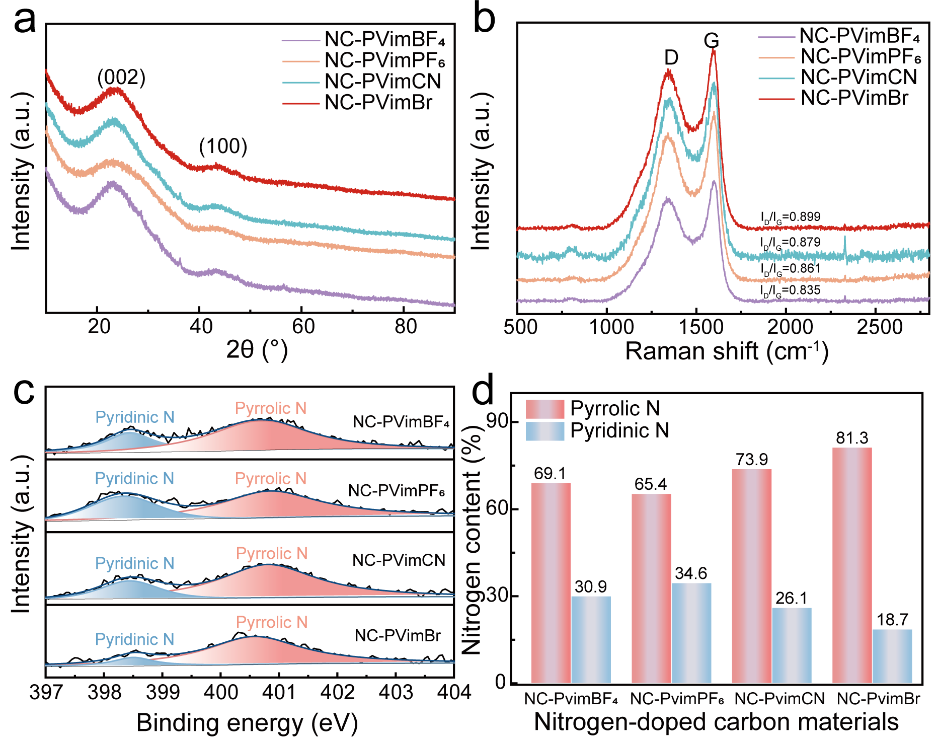
Fig. 4. Characterization of XRD patterns (a), Raman spectra (b), high-resolution XPS spectra of the N 1s region (c) and content of pyridine N and pyrrole N (d) of NC-PILs.
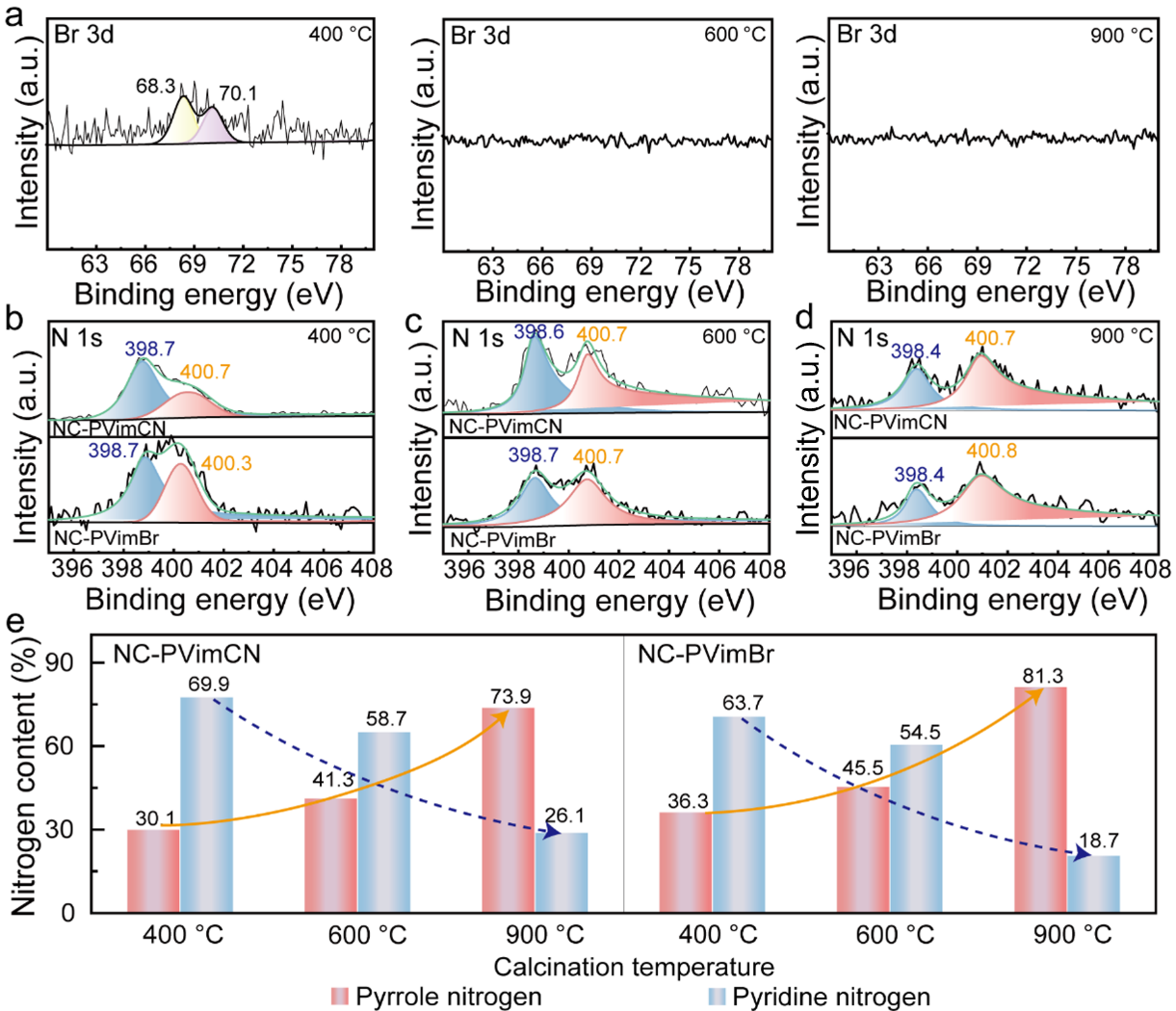
Fig. 5. High-resolution Br 3d XPS spectra of NC-PVimBr (a), N 1s XPS spectra of NC-PVimBr and NC-PVimCN calcined under temperatures of 400 °C (b), 600 °C (c), and 900 °C (d) and percentage content of pyridine N and pyrrole Nat 400, 600, and 900 °C (e).
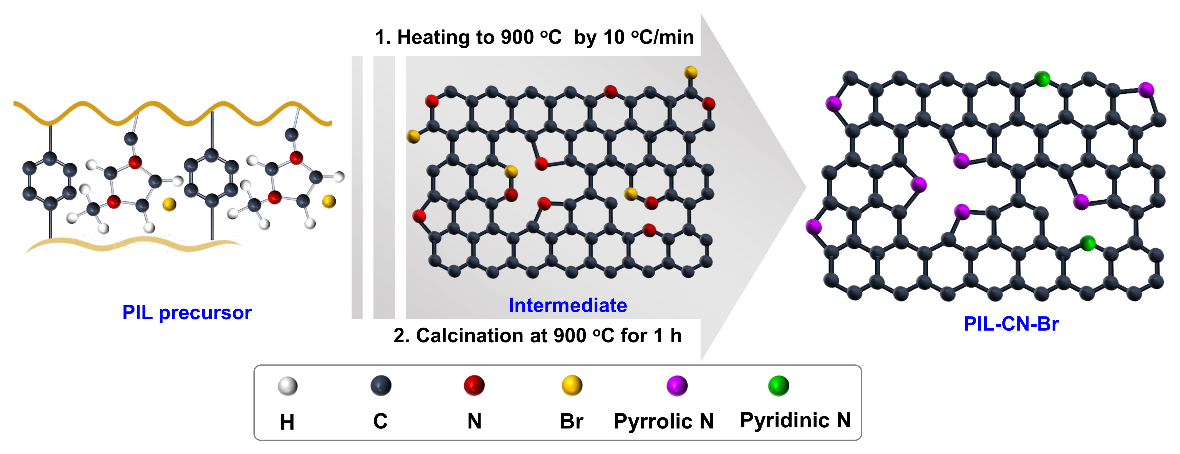
Fig. 6. Schematic of the NC-PVimBr formation derived by PIL.
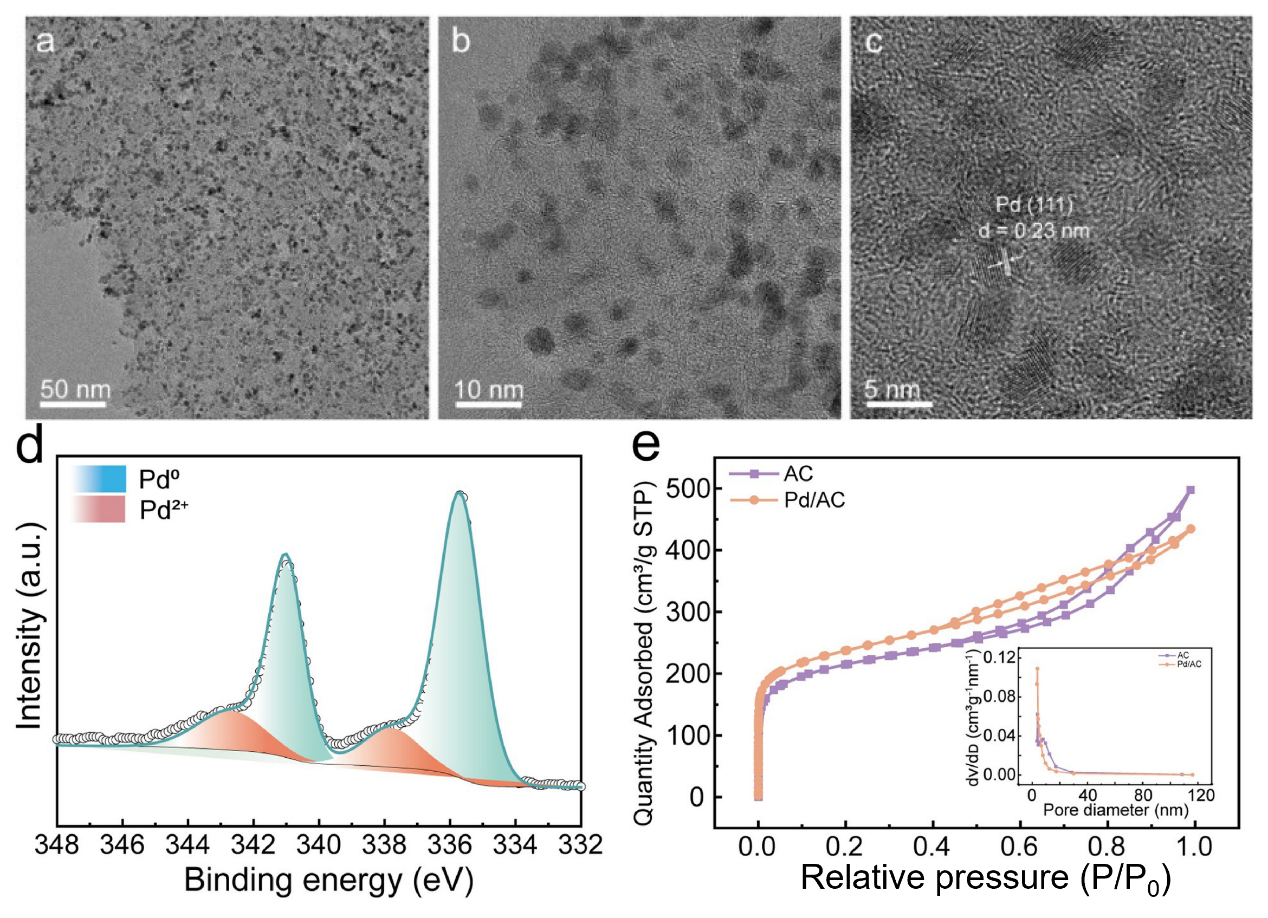
Fig. 7. Characterizations of Pd/AC by TEM images (a), HR-TEM images (b,c), high-resolution Pd 3d XPS spectra (d) and N2 adsorption-desorption isotherms with pore size distribution (e).
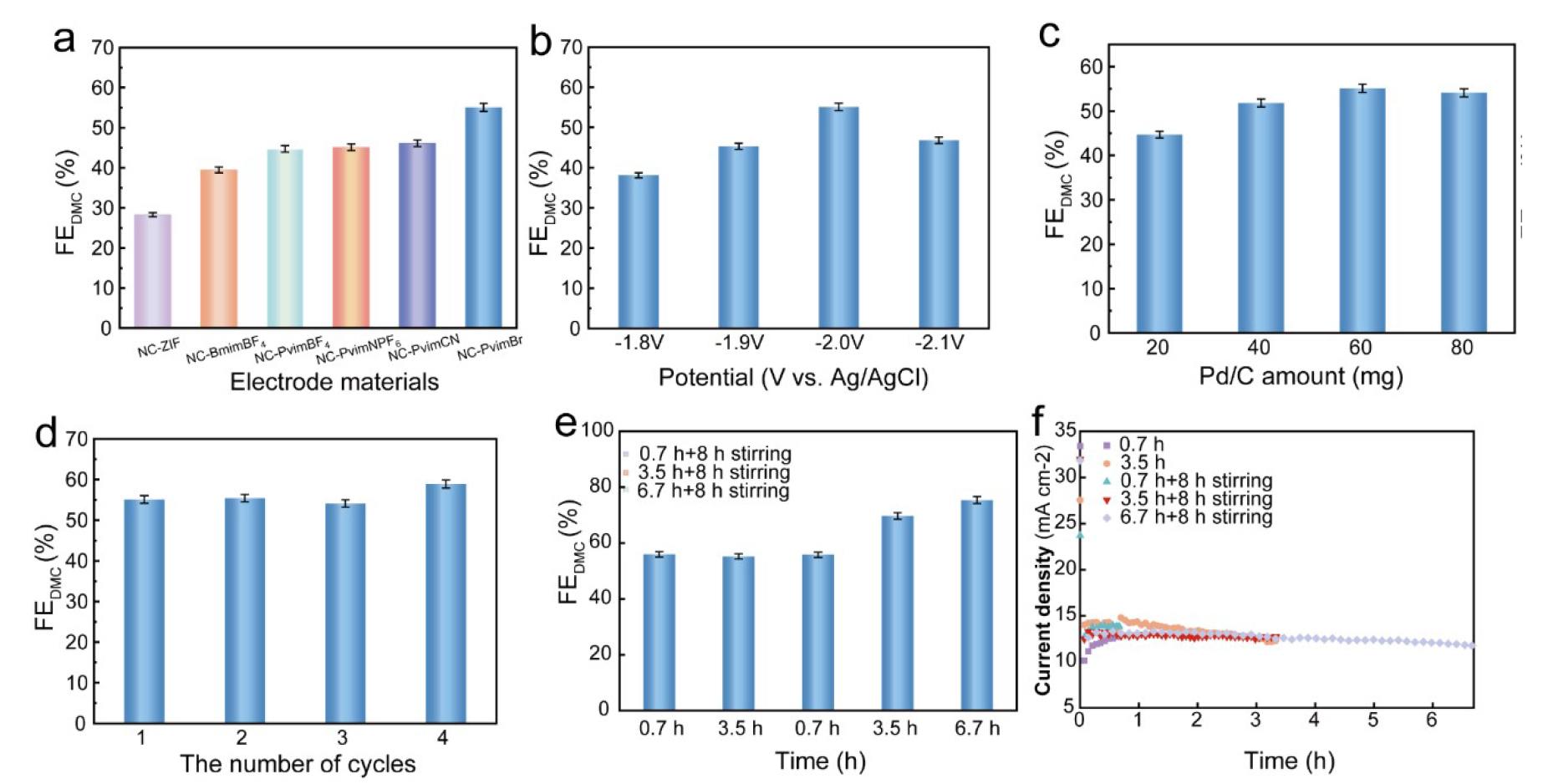
Fig. 8. Electrochemical performance of NC-PIL. (a) DMC FE for different substrate materials. (b) DMC FE of NC‑PVimBr at potentials ranging from -1.8 to -2.1 V vs. Ag/AgCl. (c) DMC FE under different Pd/AC catalyst loadings. (d) DMC FE over multiple consecutive cycles. (e) Long‑term stability test of DMC FE. (f) Stability test performed at a constant current density of 12 mA cm‒2 in single cell.
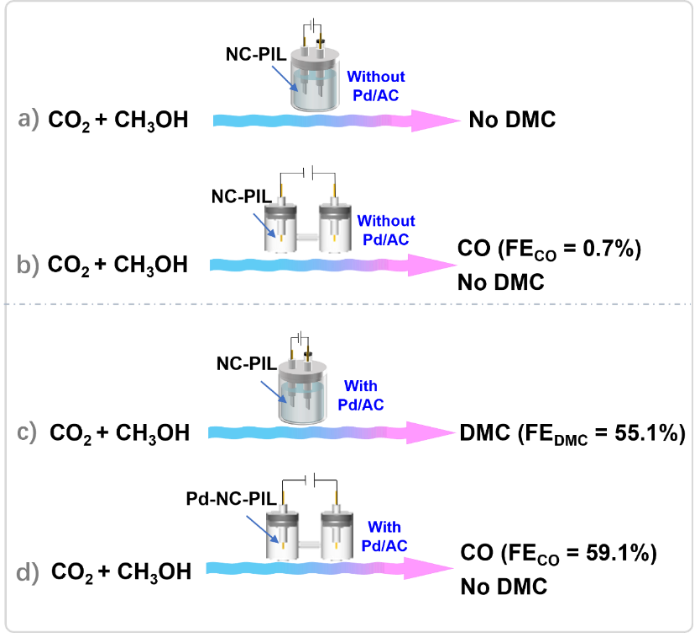
Fig. 9. Control experiments with and without Pd/AC in both single-cell and H-cell configurations (Electrolyte: 0.1 mol L‒1 NaBr in CH3OH).
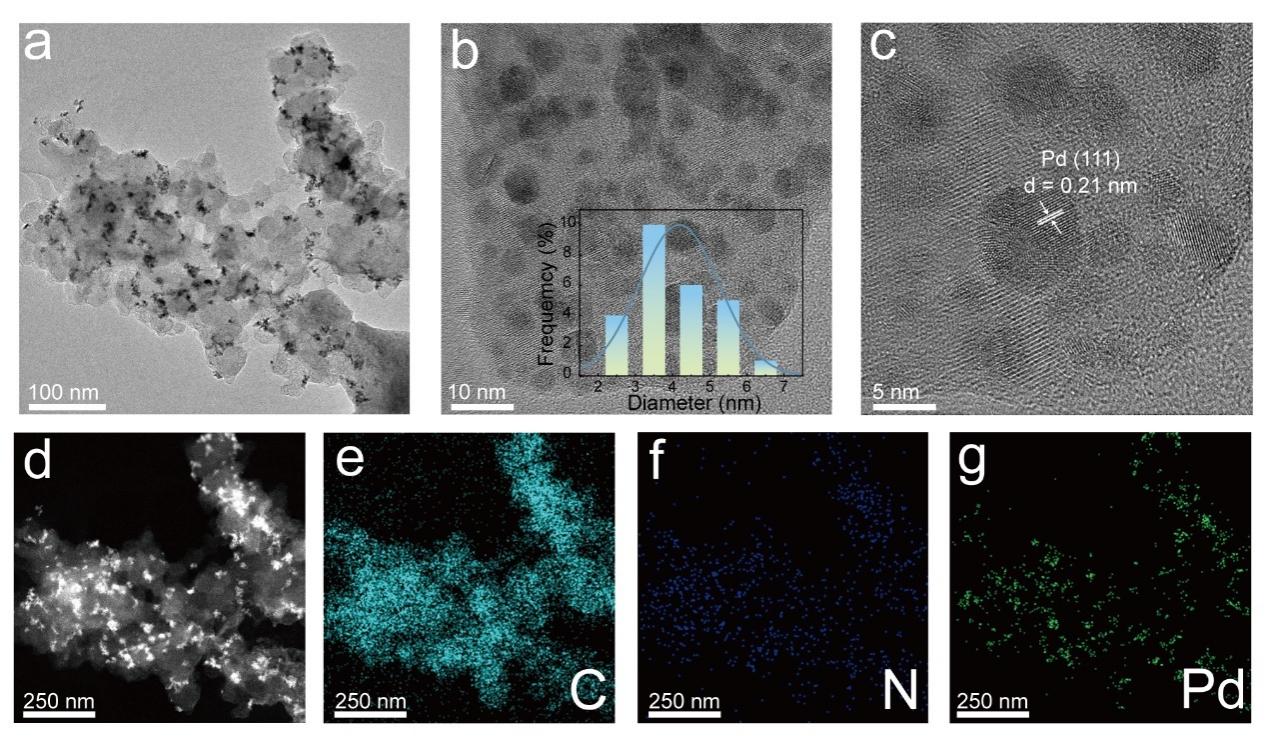
Fig. 10. TEM and HRTEM images of the cathode after reaction (a‒c) and TEM-EDS images of the cathode after reaction (d‒g).
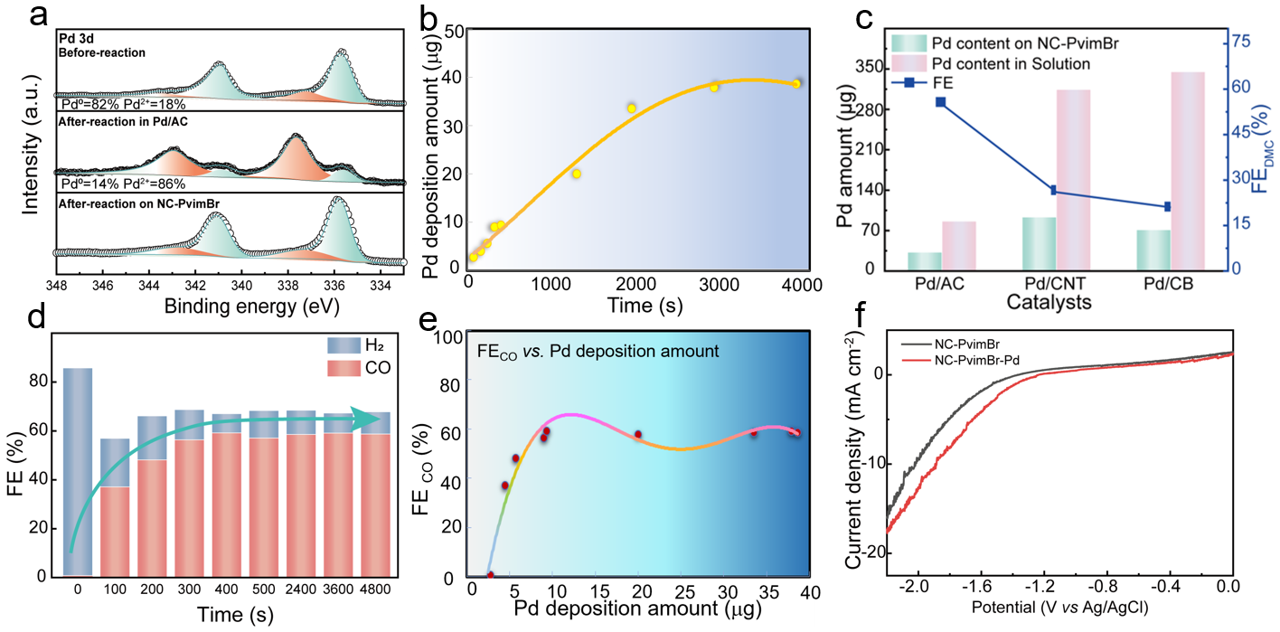
Fig. 11. High-resolution XPS spectra of the Pd 3d region (a), Pd deposition amount over time (b), Pd content in electrolyte solution and on cathode with different Pd-based catalysts (c), the temporal evolution of FE for H2 and CO (d), FECO versus Pd deposition amount (e), andLSV of NC-PVimBr and Pd-NC-PVimBr in CO2-saturated 0.1 mol L‒1 NaBr-CH3OH in H-type cells for electrocatalytic CO2RRs (f).
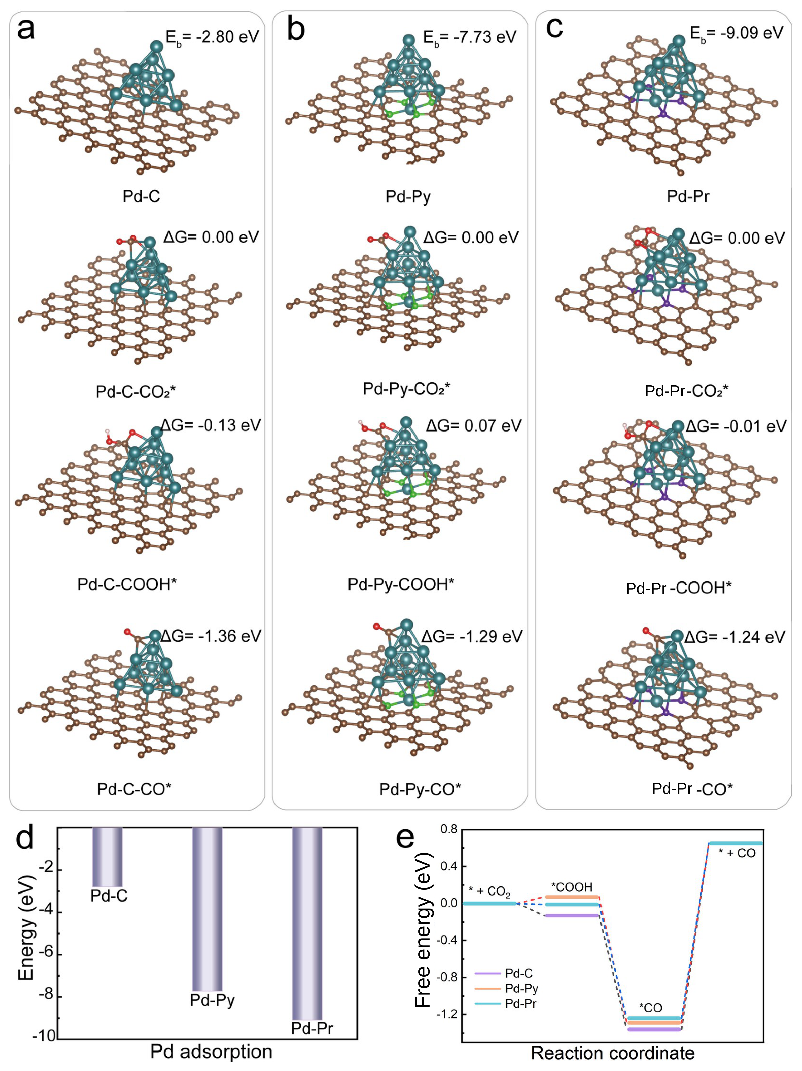
Fig. 12. CO2RR pathways and theoretical calculations: pathway on Pd-C (a), pathway on C-pyridinic N-Pd (Pd-Py) (b), pathway on C-pyrrolic N-Pd (Pd-Pr) (c), adsorption energies of Pd on C, pyridinic N, and pyrrolic N (d), and Gibbs free energies over Pd-C, Pd-Py, and Pd-Pr (e).
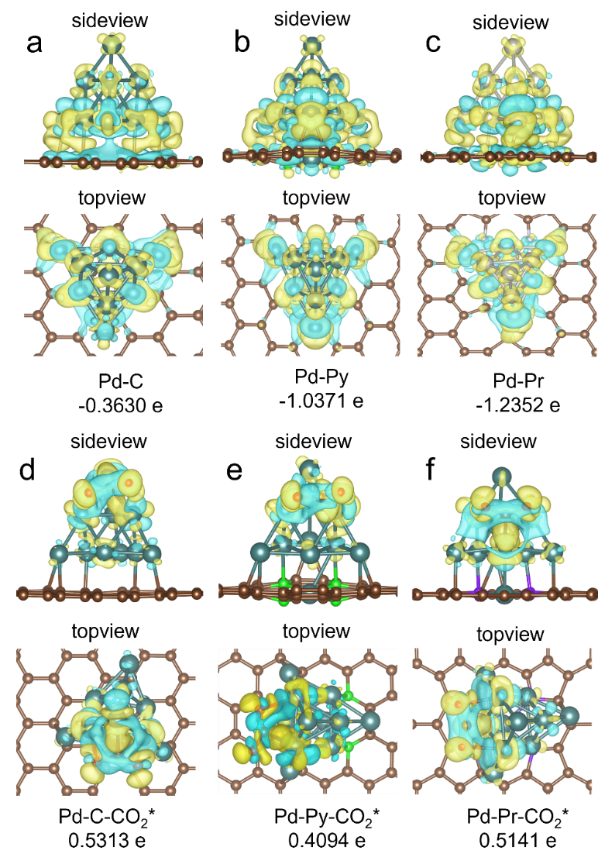
Fig. 13. Charge density difference plots and Bader charge analysis for the three catalyst models. (a-c) Side view and top view of the bare Pd-support systems for Pd-C, Pd-Py, and Pd-Pr, with the corresponding electron transfer from the Pd cluster. (d-f) Side view and top view of the CO2-adsorbed systems (Pd-C-CO2*, Pd-Py-CO2*, and Pd-Pr-CO2*), with the corresponding charge transfer to CO2. Yellow and cyan isosurfaces represent electron accumulation and depletion, respectively.
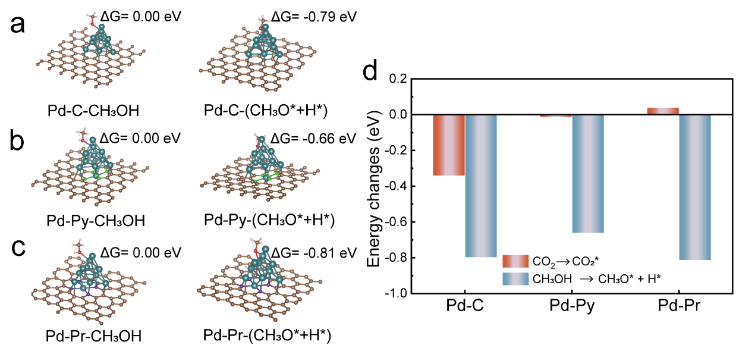
Fig. 14. Proposed reaction pathways for CH3OH dissociation and related energies on Pd-C (a), on Pd-Py (b), on Pd-Pr (c). Adsorption energy of CO2 and dissociation energy of CH3OH (d) for H* formation on Pd-C, Pd-Py, and Pd-Pr.
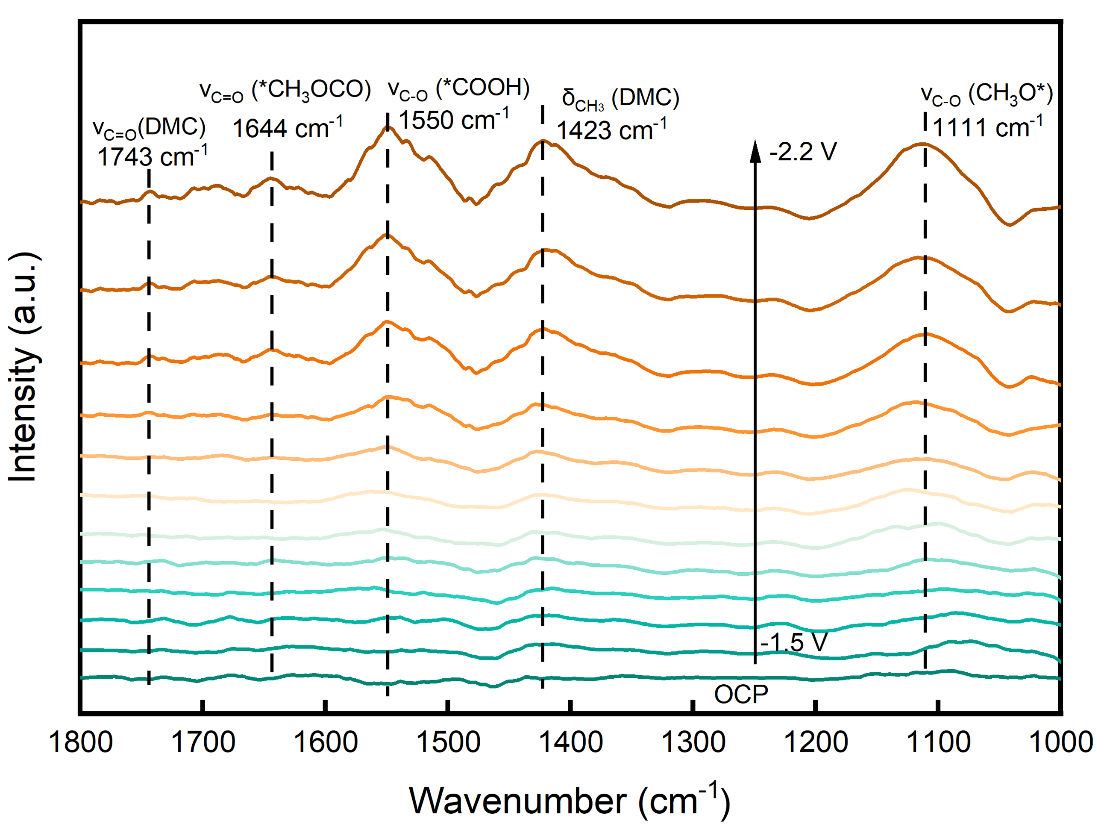
Fig. 15. In-situ ATR-FTIR spectra collected on the NC-PVimBr electrode with in situ electrodeposited Pd species in CO2-saturated 0.1 mol L‒1 NaBr methanol electrolyte at applied potentials from -1.5 to -2.2 V vs. Ag/AgCl.
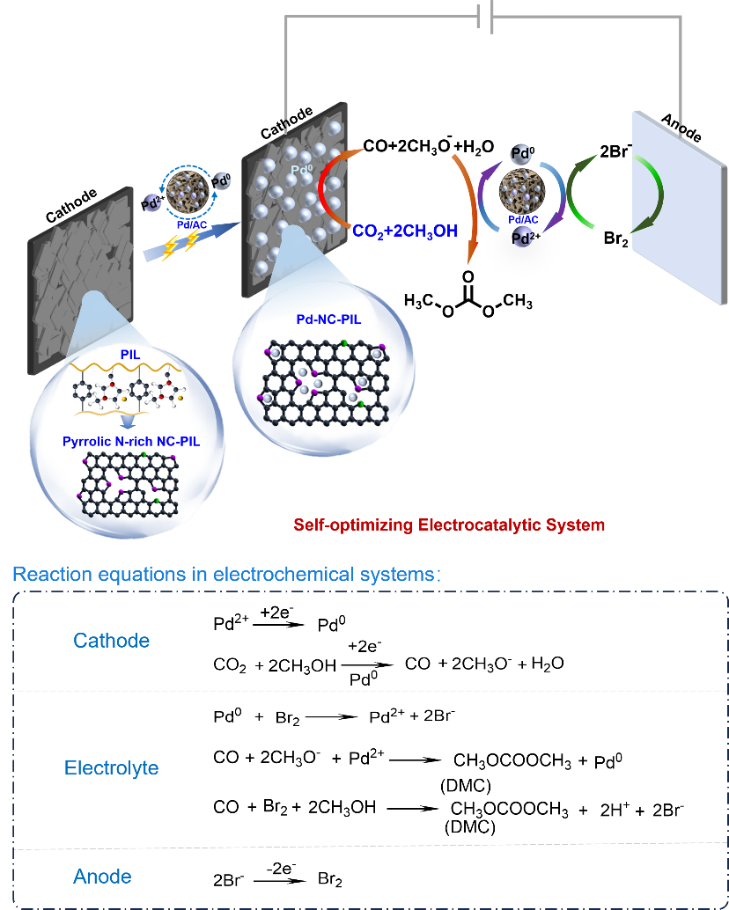
Fig. 16. Possible reaction mechanism of the electrocatalytic synthesis of DMC.
|
| [1] | Guoqiang Hou, Di Xu, Haifeng Fan, Yangyang Li, Siyi Huang, Mingyue Ding. Grain boundary engineering of CeO2 induced electron redistribution for dimethyl carbonate synthesis from CO2 [J]. Chinese Journal of Catalysis, 2026, 80(1): 316-329. |
| [2] | Ke Huang, Shicheng Yuan, Rongyan Mei, Ge Yang, Peng Bai, Hailing Guo, Chunzheng Wang, Svetlana Mintova. Mo-promoted Pd/NaY catalyst for indirect oxidative carbonylation of methanol to dimethyl carbonate [J]. Chinese Journal of Catalysis, 2024, 60(5): 327-336. |
| [3] | Lei Dong, Shengjie Zhu, Yangyang Yuan, Xiaomin Zhang, Xiaowei Zhao, Yanping Chen, Lei Xu. Mechanism study on the influence of surface properties on the synthesis of dimethyl carbonate from CO2 and methanol over ceria catalysts [J]. Chinese Journal of Catalysis, 2024, 65(10): 138-152. |
| [4] | Keng Xuan, Yanfeng Pu, Feng Li, Jing Luo, Ning Zhao, Fukui Xiao. Metal-organic frameworks MOF-808-X as highly efficient catalysts for direct synthesis of dimethyl carbonate from CO2 and methanol [J]. Chinese Journal of Catalysis, 2019, 40(4): 553-566. |
| [5] | Yunhui Liao, Feng Li, Xin Dai, Ning Zhao, Fukui Xiao. Solid base catalysts derived from Ca-M-Al (M=Mg, La, Ce, Y) layered double hydroxides for dimethyl carbonate synthesis by transesterification of methanol with propylene carbonate [J]. Chinese Journal of Catalysis, 2017, 38(11): 1860-1869. |
| [6] | Yuchun Wang, Huayan Zheng, Zhong Li. Effect of NH4+ exchange on CuY catalyst for oxidative carbonylation of methanol [J]. Chinese Journal of Catalysis, 2016, 37(8): 1403-1412. |
| [7] | Chun Liu, Shaoke Zhang, Baoyi Cai, Zilin Jin. Low pressure one-pot synthesis of dimethyl carbonate catalyzed by an alkali carbonate [J]. Chinese Journal of Catalysis, 2015, 36(7): 1136-1141. |
| [8] | Liping Zheng, Shuixin Xia, Xiuyang Lu, Zhaoyin Hou. Transesterification of glycerol with dimethyl carbonate over calcined Ca-Al hydrocalumite [J]. Chinese Journal of Catalysis, 2015, 36(10): 1759-1765. |
| [9] | Rongzhi Tang, Tong Chen, Yong Chen, Yuanzhuo Zhang, Gongying Wang. Core-shell TiO2@SiO2 catalyst for transesterification of dimethyl carbonate and phenol to diphenyl carbonate [J]. Chinese Journal of Catalysis, 2014, 35(4): 457-461. |
| [10] | Ruiyu Wang, Zhong Li. Surface reactions of CuCl2 and HY zeolite during the preparation of CuY catalyst for the oxidative carbonylation of methanol [J]. Chinese Journal of Catalysis, 2014, 35(1): 134-139. |
| [11] | Jun Ren, Changjiang Guo, Leilei Yang, Zhong Li. Synthesis of dimethyl carbonate over starch-based carbon-supported Cu nanoparticles catalysts [J]. Chinese Journal of Catalysis, 2013, 34(9): 1734-1744. |
| [12] | DU Zhi-Ping, ZHOU Bin, HUANG Li-Ming, HUANG Chen, WU Yuan-Xin, WANG Cun-Wen, SUN Wei. Synthesis of Dimethyl Carbonate from Oxidative Carbonylation of Methanol Catalyzed by Cu(phen)Cl2 [J]. Chinese Journal of Catalysis, 2012, 33(4): 736-742. |
| [13] | PAN Sai-Yong, ZHENG Li-Ping, NIE Ren-Feng, XIA Shui-Xin, CHEN Ping, HOU Zhao-Yin. Transesterification of Glycerol with Dimethyl Carbonate to Glycerol Carbonate over Na-Based Zeolites [J]. Chinese Journal of Catalysis, 2012, 33(11): 1772-1777. |
| [14] | WANG Ruiyu;LI Zhong*;ZHENG Huayan;XIE Kechang. Preparation of Chlorine-Free Cu/AC Catalyst and Its Catalytic Properties for Vapor Phase Oxidative Carbonylation of Methanol [J]. Chinese Journal of Catalysis, 2010, 31(7): 851-856. |
| [15] | LI Zhong;LIU Shusen;REN Jun*;NIU Yanyan;ZHENG Huayan;ZHAO Qiang;CUI Liping. Structure of CuCl/SiO2-TiO2 Catalyst and Its Catalytic Properties for Oxidative Carbonylation of Methanol [J]. Chinese Journal of Catalysis, 2010, 31(6): 683-688. |
| Viewed | ||||||
|
Full text |
|
|||||
|
Abstract |
|
|||||


