
Chinese Journal of Catalysis ›› 2026, Vol. 90: 82-116.DOI: 10.1016/S1872-2067(26)65185-6
• Reviews • Previous Articles Next Articles
Irshad Ahmada,b, Shasha Wanga,*( ), Mohammed Qasem Alfaific, Yousef I. Alrashedd, Fahad M. Albaqid, Gao Lia,*()
Received:2026-01-21
Accepted:2026-03-20
Online:2026-11-05
Published:2026-09-09
About author:Shasha Wang (Inner Mongolia Normal University) received his B.A. degree from Inner Mongolia University of Technology (China, 2011), Master from Dalian Maritime University (2013) and Ph.D. from Inner Mongolia University (China, 2018). And then she joined Inner Mongolia Normal University as a Associate Professor. Her current research interests include the controlled synthesis of nanomaterials (e.g. rare-earth upconversion luminescent materials) and their applications in energy catalysis. She has published > 10 peer-reviewed papers and granted 2 authorized patents.Irshad Ahmad: Writing-original draft, review and editing manuscript. Shasha Wang: Writing - original draft, validation. Qasem Alfaifi: Review and editing manuscript. Yousef I. Arashed: Review and editing manuscript. Fahad M. Albaqi: Review and editing manuscript. Gao Li: Conceptualization, funding acquisition, Writing - review.
Supported by:Irshad Ahmad, Shasha Wang, Mohammed Qasem Alfaifi, Yousef I. Alrashed, Fahad M. Albaqi, Gao Li. Advancing metal cluster-based electrocatalysis for C-N synthesis: Fundamental, design strategies, and applications[J]. Chinese Journal of Catalysis, 2026, 90: 82-116.
Add to citation manager EndNote|Ris|BibTeX
URL: https://www.cjcatal.com/EN/10.1016/S1872-2067(26)65185-6
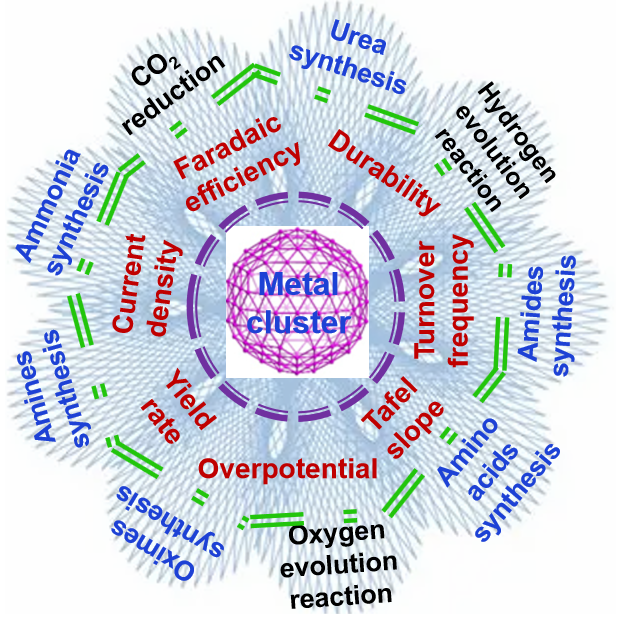
Fig. 1. Schematic illustration of this review.
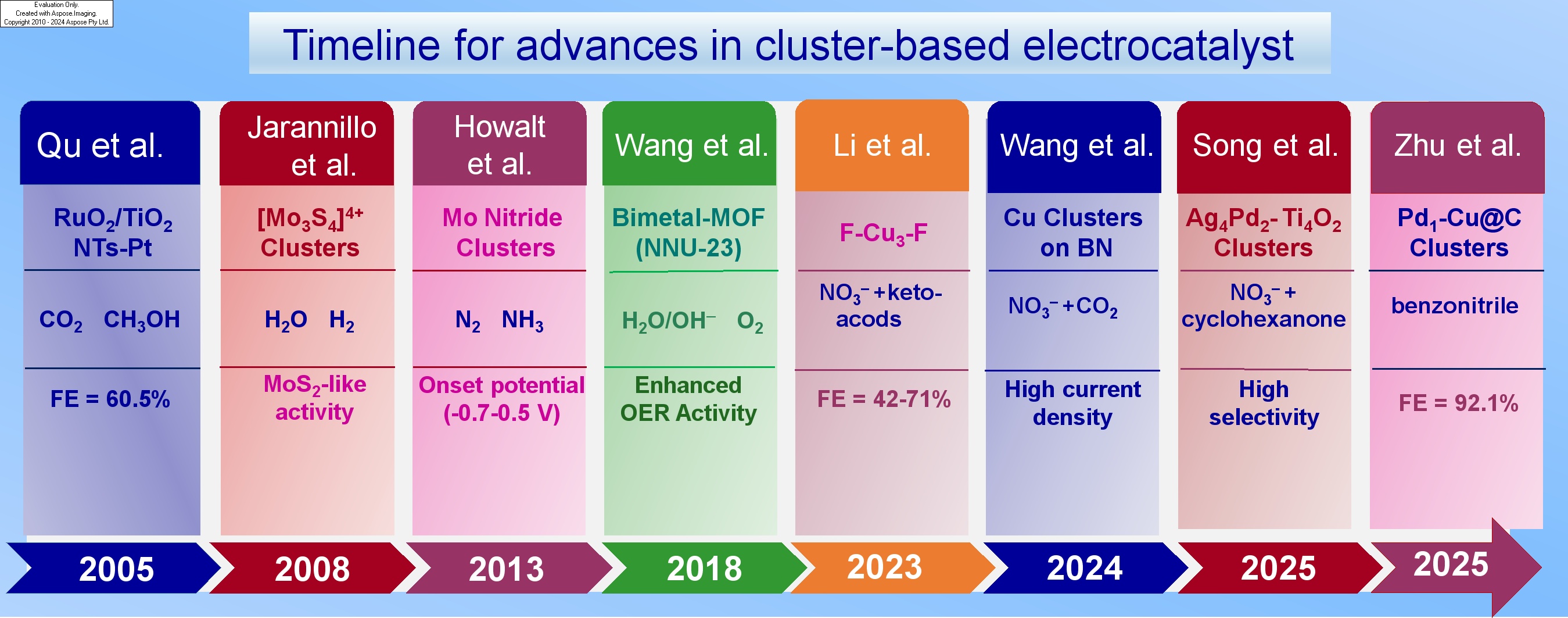
Fig. 2. Timeline of cluster-based electrocatalysts for CO2RR, HER, NH3 synthesis, OER, amino acid, oxime, and amine synthesis reactions is outlined.
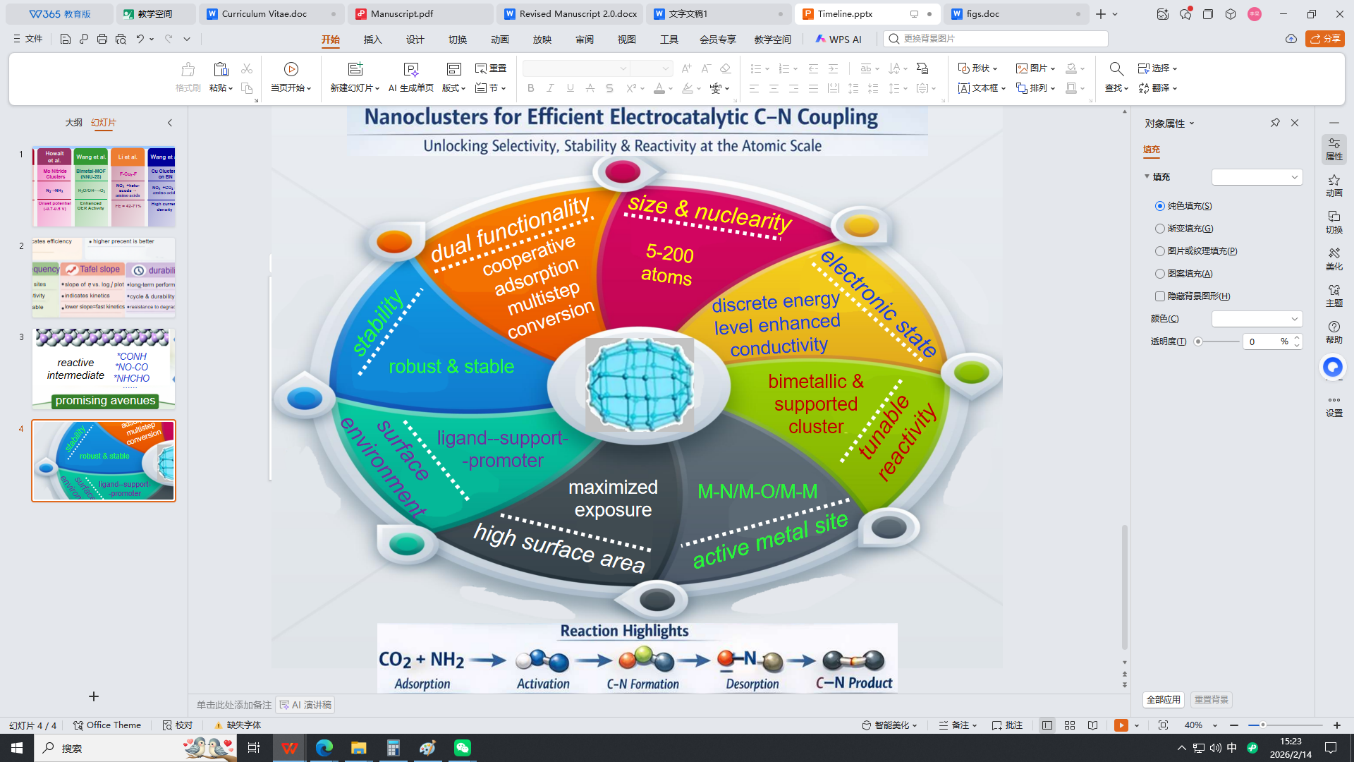
Fig. 3. Properties of nanoclusters for electrocatalytic C-N coupling reactions.
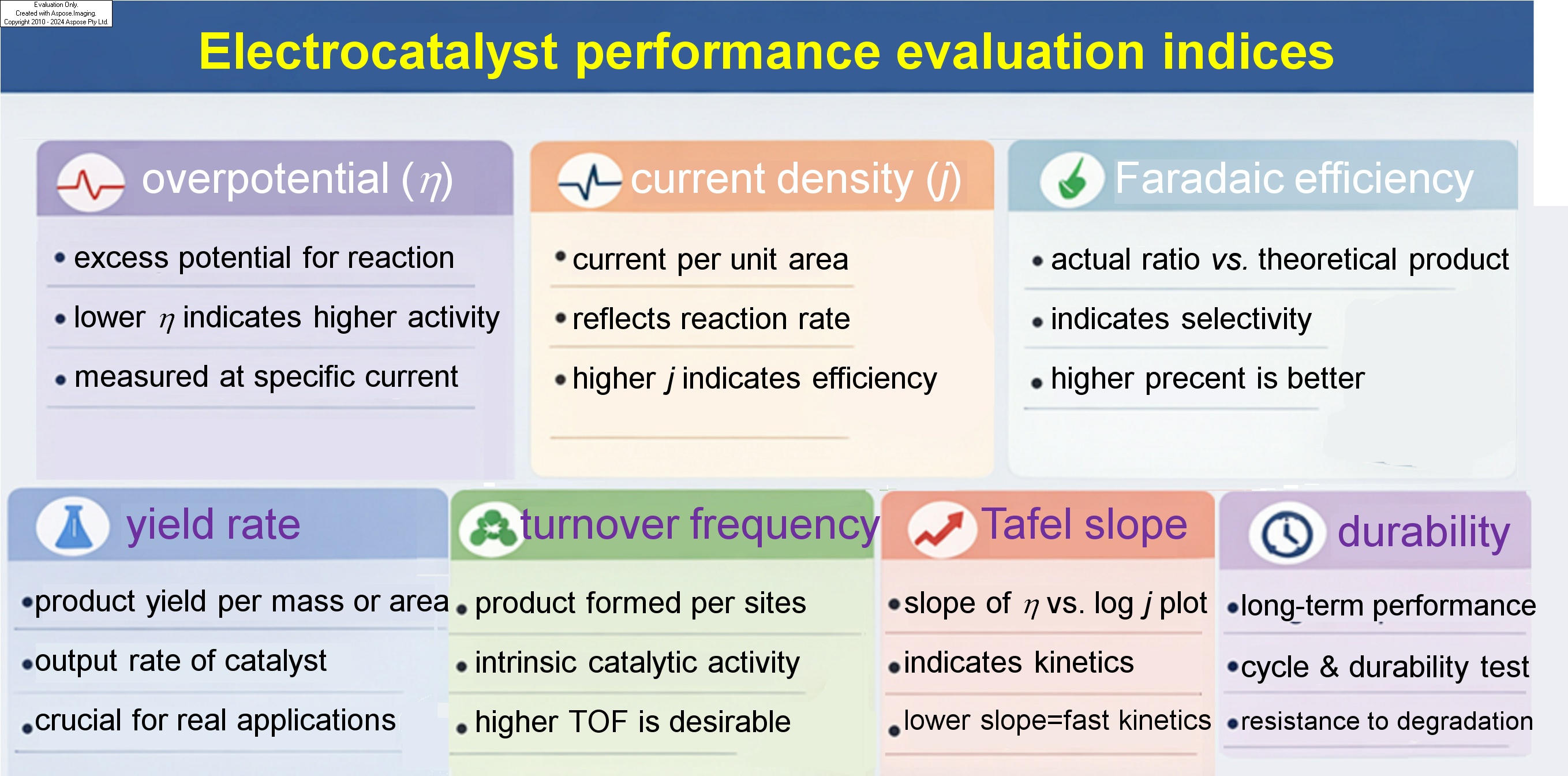
Fig. 4. Schematic illustration of significant evaluation indices for electrocatalytic performance.
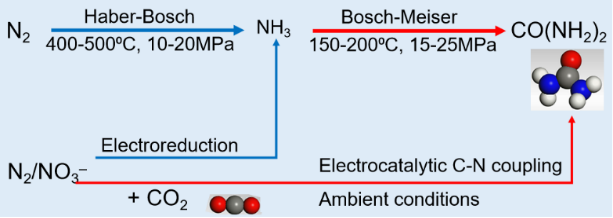
Fig. 5. Schematic illustration of urea synthesis via electroreduction vs. electrocatalytic C-N coupling under ambient conditions.
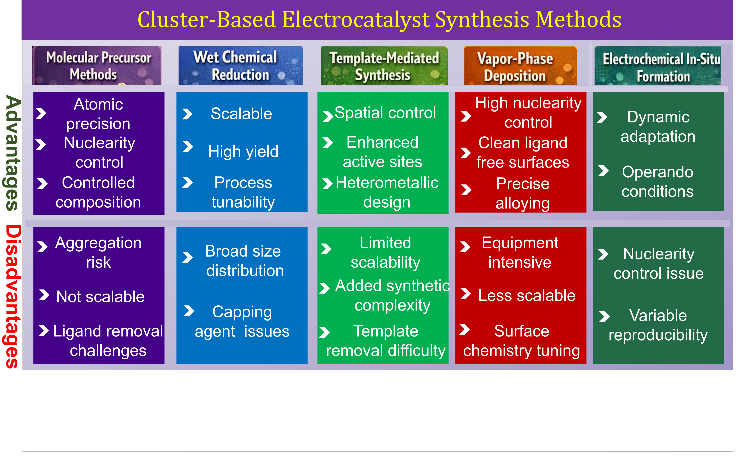
Fig. 6. The advantages and disadvantages of different synthesis methods for cluster-based electrocatalysts.
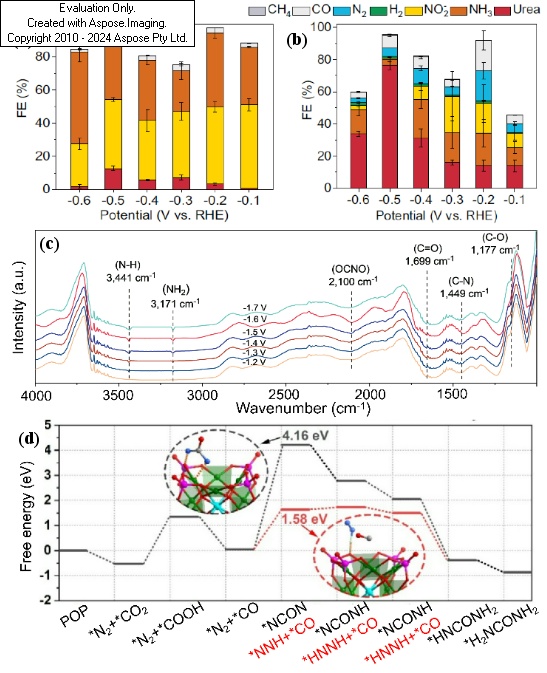
Fig. 7. (a,b) FEs comparison of Pd4Cu1-Ni(OH)2 and Pd4Cu1-FeNi(OH)2 for electrosynthesis of urea. Reprinted with permission from Ref. [11]. Copyright 2024, John Wiley and Sons. (c) In-situ FTIR spectroscopy analysis under applied bias for Cu1-CeO2 during electrocatalytic CO2-NO3-electroreduction. Reprinted with permission from Ref. [13]. Copyright 2023, John Wiley and Sons. (d) Various intermediates’ free energy and reaction routes on POP in the electroreduction of nitrogen and carbon dioxide. Reprinted with permission from Ref. [12]. Copyright 2024, Elsevier B.V.
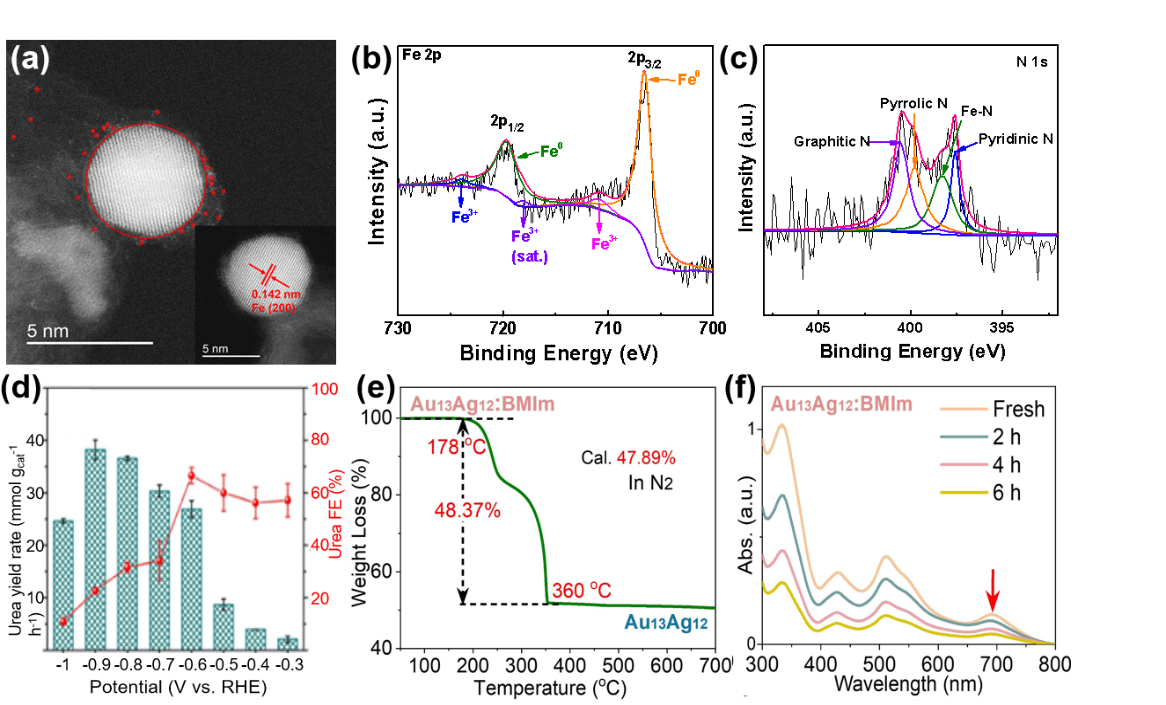
Fig. 8. STEM image (a), Fe 2p (b), and N 1s (c) XPS spectra, and potential dependent urea synthesis performance (d) of FeNC-Fe1N4. Reprinted with permission from Ref. [16]. Copyright 2024, John Wiley and Sons. TGA analysis (e) and UV-vis spectra (f) verifying the light resistance of Au13Ag12:BMIm. Reprinted with permission from Ref. [17]. Copyright 2025, John Wiley and Sons.
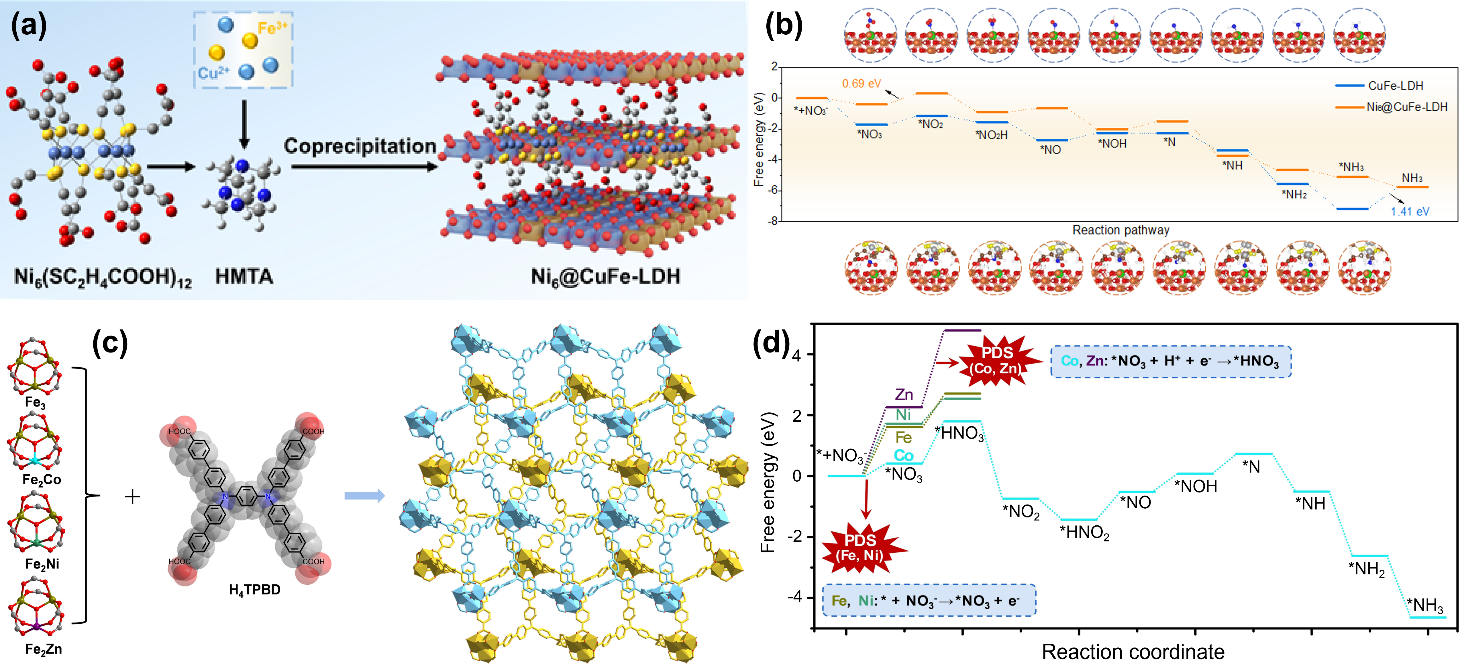
Fig. 9. (a) Synthesis scheme of Ni6@CuFe-LDH. (b) Mechanistic pathway of CuFe-LDH and Ni6@CuFe-LDH. Reprinted with permission from Ref. [18]. Copyright 2025, American Chemical Society. Synthesis (c) and electroreduction NO3- to NH3 (d) over clusters (Fe2M-MOF, M = Fe, Co, Ni, Zn). Reprinted with permission from Ref. [41]. Copyright 2022, John Wiley and Sons.
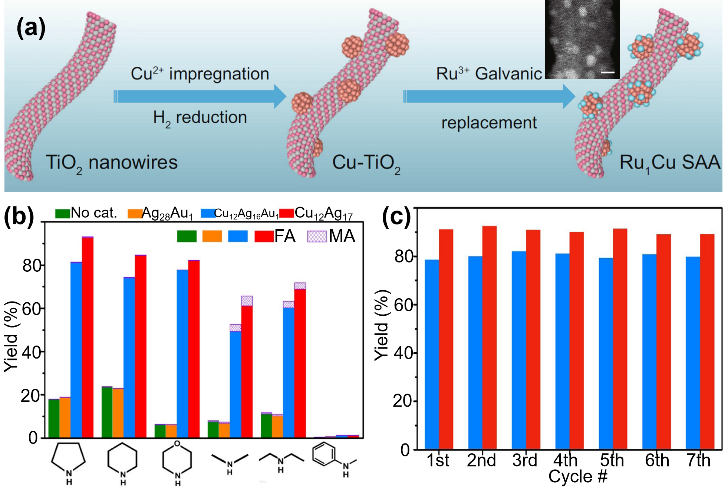
Fig. 10. (a) Synthesis scheme of Ru1Cu SAA. Reprinted with permission from Ref. [46]. Copyright 2023, Springer Nature. Catalytic performance (b) and durability (c) of Cu12Ag17, Cu12Ag16Au1 and Ag28Au1 for the formylation of CO2 with secondary amines. Reprinted with permission from Ref. [48]. Copyright 2023, American Chemical Society.
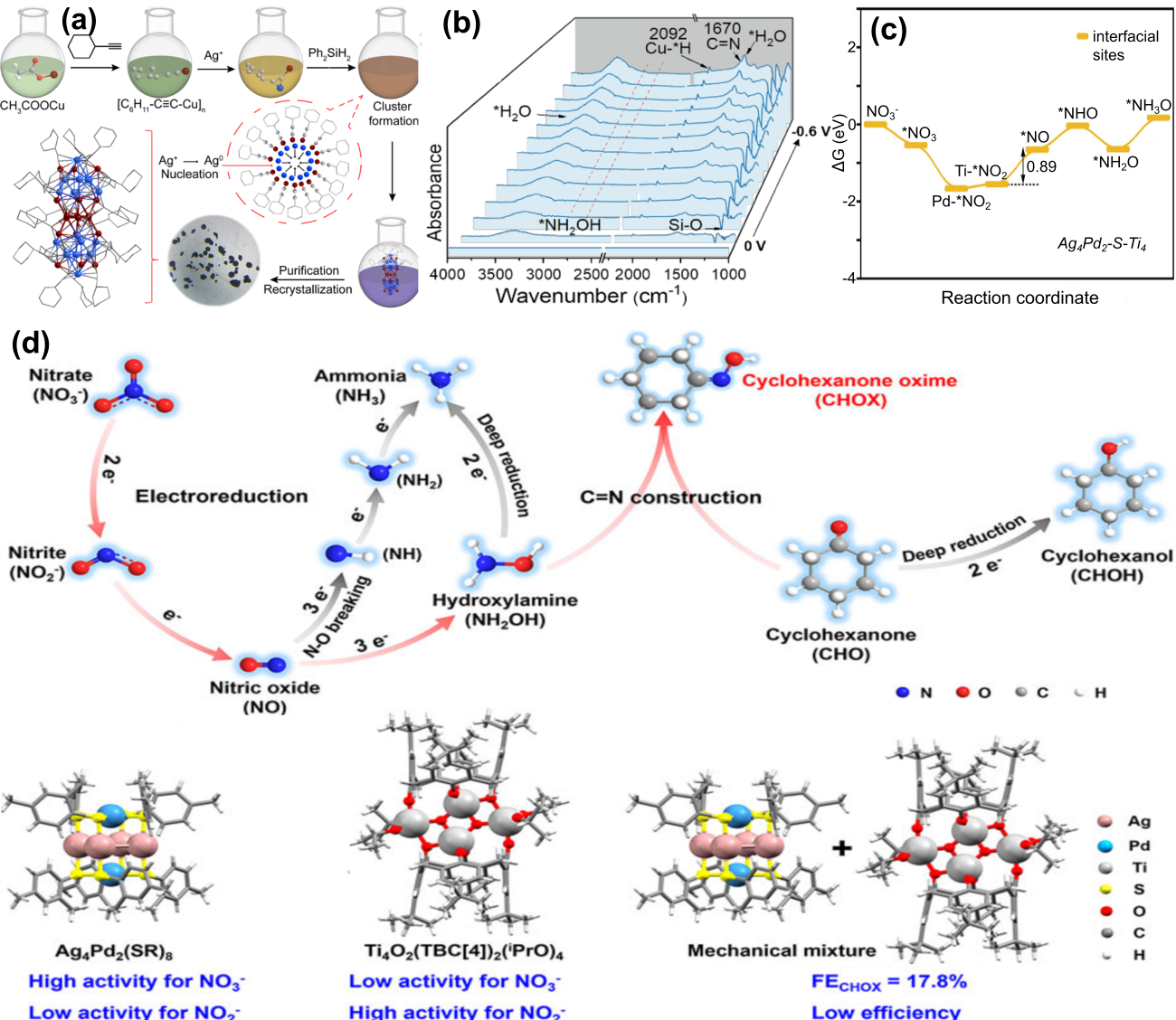
Fig. 11. (a) Synthesis scheme. (b) ATR-SEIRAS measurements of Ag16Cu18(C≡C-C6H11)24 nanocluster. Reprinted with permission from Ref. [119]. Copyright 2023, John Wiley and Sons. (c) DFT and (d) electroreduction route of NO3− to NH2OH over Ag4Pd2-S-Ti4. Reprinted with permission from Ref. [50]. Copyright 2025, John Wiley and Sons.
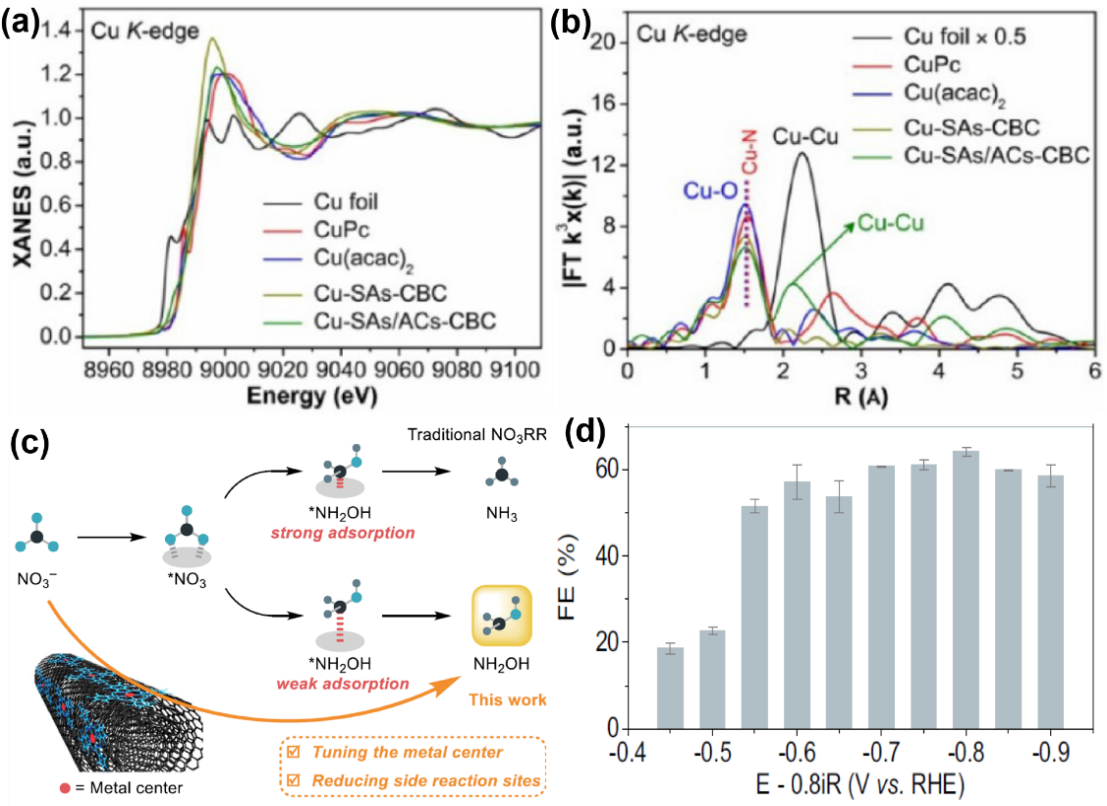
Fig. 12. Cu k-edge XANES (a) and k3-weighted FT-EXAFS (b) spectra of Cu-SAs-CBC and Cu-SAs/ACs-CBC. Reprinted with permission from Ref. [64]. Copyright 2023, John Wiley and Sons. Synthesis scheme (c) and FE (d) of cyclohexanone oxime. Reprinted with permission from Ref. [65]. Copyright 2024, John Wiley and Sons.
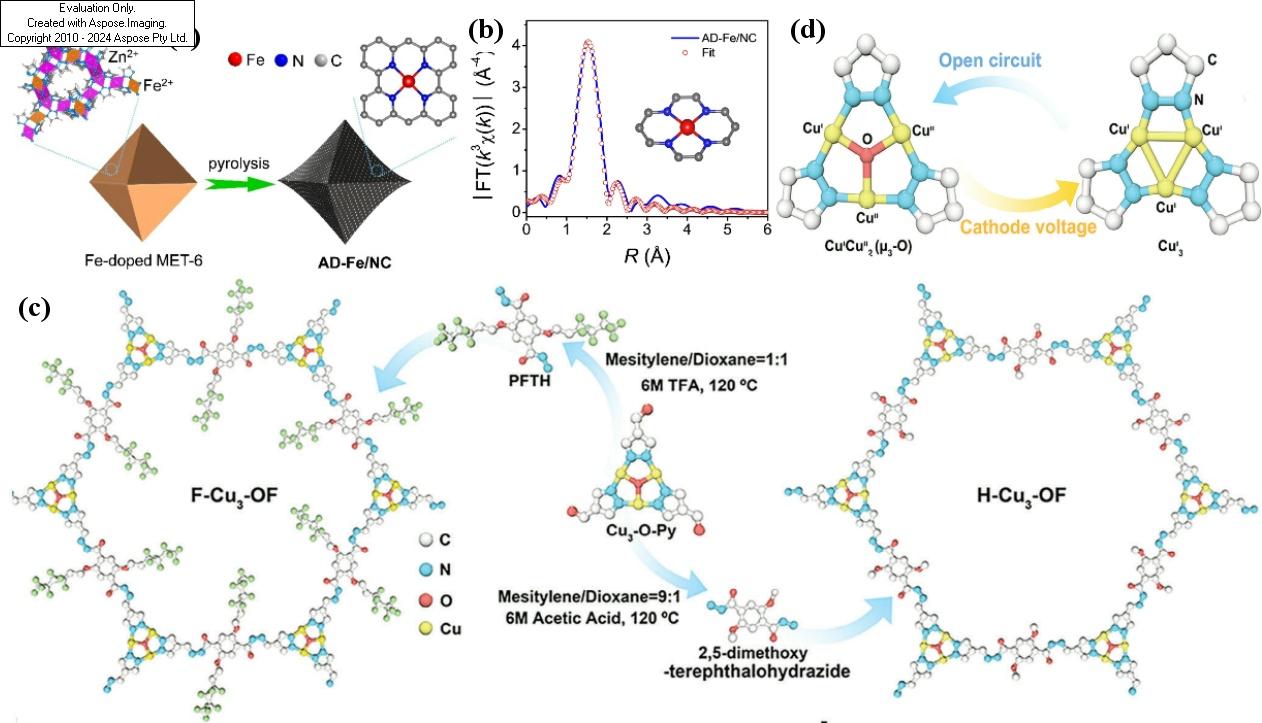
Fig. 13. Synthesis scheme (a) and EXFAS spectra (b) of AD-Fe/NC. Synthesis scheme (c) and trinuclear copper sites (d) for F-Cu3-OFobtained from XANES analysis. Reprinted with permission from Refs. [66] and [67]. Copyright 2024, American Chemical Society and Elsevier B.V.
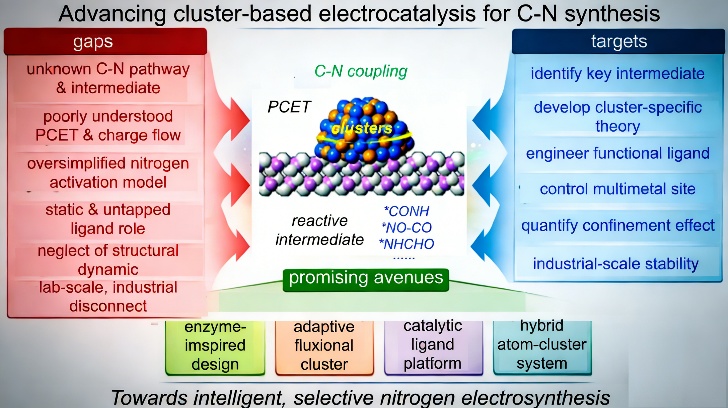
Fig. 14. Schematic illustration of unaddressed current gaps, research targets, and future avenues for cluster-based electrocatalysts for C-N coupling reactions [165-168].
|
| [1] | Bashir Adegbemiga Yusuf, Hennayaka Mudiyanselage Charitha Madusanka Jayawardana, Waleed Yaseen, Jimin Xie, Yilin Deng, Suci Meng, Yongming Li, Abdussamad Mukhtar Mohammed, Aminu Magaji, Min Chen, Meng Xie, Yuanguo Xu. Vacancy-engineered Ru-based CNT electrocatalysts for ampere-level water splitting in alkaline and anion-exchange membrane water electrolyzers [J]. Chinese Journal of Catalysis, 2026, 88(9): 279-294. |
| [2] | Haoye Wang, Bingjie Qiu, Richard, Jr L. Smith, Xinhua Qi. Electrocatalytic nitrate reduction systems for chemical production: Mechanisms, process engineering and challenges [J]. Chinese Journal of Catalysis, 2026, 88(9): 129-182. |
| [3] | Miao Wang, Tianyu Shen, Heng Zhou, Shuaikang Yang, Fengkun Hao, Chaohui Wang, Mohan Kumar, Zuoxiu Tie, Shuangming Chen, Zhanxi Fan, Zhong Jin. Direct electrosynthesis of ammonia from nitrate reduction using atomically precise carbonyl-rich metal clusters in neutral media [J]. Chinese Journal of Catalysis, 2026, 88(9): 259-268. |
| [4] | Suwei Lu, Hongping Yan, Hongwei Zhang, Yuying Cheng, Xinxin Jiang, Xuyun Peng, Junwei Huang, Yuanjin Li, Xin Wang, Shijing Liang, Lilong Jiang. Electrosynthesis of nylon-6 precursor via heteroatom-doping-regulated oxygen vacancies engineering over ZnO [J]. Chinese Journal of Catalysis, 2026, 87(8): 243-253. |
| [5] | Fengjuan Guo, Chunyao Ma, Yue Huang, Sitong Hang, Junwei Ma, Hongtao Gao. Unveiling the dominant distal-alternating hybrid mechanism in B-modulated Mo2TiC2Tx/MoO2 MXene for highly selective ambient NRR [J]. Chinese Journal of Catalysis, 2026, 87(8): 269-281. |
| [6] | Chao Wang, Kun Feng, Liangshuyu Tang, Wujun Zhang, Muyu Zhou, Jialu Li, Tianyu Shao, Flemming Besenbacher, Yanbin Shen, Jun Zhong, Ren Su. In-situ developed active sites of MOFs in aqueous electrocatalytic ammoxidation [J]. Chinese Journal of Catalysis, 2026, 86(7): 171-180. |
| [7] | Xiaohu Liu, Shoujie Li, Jianing Mao, Aohui Chen, Xiao Dong, Yiheng Wei, Jiayu Xia, Huanyi Zhu, Xiaotong Wang, Ziran Xu, Guihua Li, Yanfang Song, Wei Wei, Wei Chen. Engineering substitutional AgZn3 on penetration electrodes via in-situ reconstruction for ampere-level CO2 electroreduction [J]. Chinese Journal of Catalysis, 2026, 86(7): 201-211. |
| [8] | Quan Zhang, Hejin Ma, Ruobing Han, Tonglin Yang, Zhenhui Chen, Miaoyang Zhu, Jiawei Shi, Weiwei Cai, Fangqi Yang, Zehui Yang. Lattice-expanded NiSe catalyst via lanthanum incorporation for accelerating urea electrooxidation in assisting water electrolysis [J]. Chinese Journal of Catalysis, 2026, 86(7): 254-264. |
| [9] | Xiang Wang, Min Zhou, Xiaobin Liao, Xu Han, Congcong Xing, René Bes, Simo Huotari, Jordi Arbiol, Andreu Cabot. Enhanced oxygen evolution and reduction by phosphorus-doped Co9S8 derived from MOFs: Toward high-performance zinc-air batteries [J]. Chinese Journal of Catalysis, 2026, 85(6): 204-215. |
| [10] | Kefu Zhang, Luxiao Zhang, Jianyi Chu, Cenyu Mei, Siyuan Liu, Guilan Fan, Fenrong Liu, Youngkook Kwon, Fenghua Bai, Wenhao Luo. Species heterogeneity for efficient electrocatalytic nitrate reduction to ammonia [J]. Chinese Journal of Catalysis, 2026, 85(6): 247-257. |
| [11] | Donghua Li, Hongyin Hu, Jinye Zhou, Hanyun Miao, Yu Wu, Jinyan Wang, Baochun Guo, Mingliang Du, Shuanglong Lu. Steering product selectivity via metallic site-dependent pathways in porphyrin-based covalent organic frameworks for electrocatalytic nitrite reduction [J]. Chinese Journal of Catalysis, 2026, 83(4): 258-270. |
| [12] | Mingyi Zhao, Zhengyang Liu, Cong Yang, Zhaodi He, Yujun Guo, Rui Cai, Xiangqian Yin, Jianwei Wang, Xueqin Mu, Suli Liu, Dingsheng Wang, Zhihui Dai. Multiscale optimization design of porphyrin electrocatalysts for redox reactions under operational conditions [J]. Chinese Journal of Catalysis, 2026, 90(11): 52-81. |
| [13] | Lin-Xing Zhang, Chang-Long Tan, Ming-Yu Qi, Zi-Rong Tang, Yi-Jun Xu. Photocatalyzed C-N coupling reactions of small molecules [J]. Chinese Journal of Catalysis, 2026, 80(1): 7-19. |
| [14] | Zhang Bingjie, Wang Chunyan, Yang Fulin, Wang Shuli, Feng Ligang. Work function-induced spontaneous built-in electric field in Ir/MoSe2 for efficient PEM water electrolysis [J]. Chinese Journal of Catalysis, 2025, 75(8): 95-104. |
| [15] | Xi-Lai Liu, Wei Zhong, Yu-Fan Jin, Tian-Jiao Wang, Xue Xiao, Pei Chen, Yu Chen, Xuan Ai. Pd-Pt bimetallene for the energy-saving electrochemical hydrogenation of 5-hydroxymethylfurfural [J]. Chinese Journal of Catalysis, 2025, 69(2): 241-248. |
| Viewed | ||||||
|
Full text |
|
|||||
|
Abstract |
|
|||||


